In our last session, we established a systematic approach for the essential first step of duck ownership: researching and ensuring compliance with all local regulations. Having addressed the legal framework, we can now turn to the personal and practical dimensions of this endeavor. This lesson focuses on assessing the long-term commitment involved, a process analogous to evaluating the resource requirements and timeline for a multi-year research project.
By the end of this lesson, you will be able to assess the full scope of the commitment required for duck ownership by analyzing its three primary components: lifespan, financial costs, and daily time requirements. This comprehensive understanding will allow you to determine if keeping runner ducks aligns with your personal resources, lifestyle, and long-term plans.
The Lifespan: A Long-Term Commitment
The first dimension of the commitment is time. Unlike a short-term experiment, keeping ducks is a significant, long-term responsibility. While wild ducks face predation and environmental hazards that limit their lifespan to around 5-10 years, domestic ducks in a safe, well-managed environment live much longer.
To understand the specifics of this timeline and the factors that influence it, please review the following resource.
This article from "Ducks of Providence" provides a detailed analysis of duck lifespan, distinguishing between wild and domestic animals and identifying the key variables that contribute to longevity.
Please read the following sections to get a clear picture of this long-term commitment: Domestic Lifespan: Start with the section on Domestic Ducks. Note the average lifespan of 8-12 years, with the potential to reach 15-20 years. Influencing Factors: Review the numbered list under Factors Influencing Domestic Duck Lifespan. Pay particular attention to the roles of housing, nutrition, and veterinary care, as these are the core elements of responsible ownership that we will discuss throughout this course. Breed Specifics: Finally, read the subsection on Breed-Specific Tendencies. You'll find that lighter breeds like Indian Runners are specifically mentioned as often living 10-12 years or longer due to their active nature and leaner build.
As the article makes clear, a commitment to a runner duck is a commitment of a decade or more. This is comparable to dog ownership and underscores the gravity of the decision. The longevity of a domestic duck is not a matter of chance; it is a direct outcome of the quality of care provided. Factors like predator-proofing, a nutritionally complete diet, and access to veterinary care—all of which we will explore in detail in future lessons—are the primary determinants of a long and healthy life.
The Financial Commitment: "Quackonomics"
The second dimension of the commitment is financial. While the initial cost of acquiring ducklings can be modest, the cumulative costs of proper housing, nutrition, and healthcare are substantial. A thorough financial projection is a critical part of responsible planning.
The resource below provides a comprehensive breakdown of these expenses, from one-time startup costs to recurring monthly expenditures.
Quackonomics 101: The Real Cost of Keeping Pet Ducks
This guide offers a detailed and realistic budget for pet duck ownership. The author breaks down expenses into clear categories, providing estimated price ranges for each item. This allows for a robust financial assessment.
As you review this guide, focus on building a budget model with two main categories: Initial Setup Costs: Read the section Initial Setup to understand the major one-time investments. These include the coop, run, bedding, feeders, waterers, and a pool. Note the total estimated startup cost, which can range from approximately $500 to over $2,000, depending on whether you build things yourself or purchase pre-made items. If you plan to start with ducklings, also review the section on "Cost for Raising Ducklings." Ongoing Costs: Next, examine the recurring expenses in the sections on Feeding and Nutrition and Healthcare. Monthly Costs: Pay close attention to the table summarizing monthly feeding costs. For a small flock of 5 ducks, this can be $90 - $135 per month. This includes commercial feed, vegetables/treats, and supplements. Veterinary Costs: The healthcare section highlights an often-underestimated expense. Note the cost of a routine check-up ($100-$150) versus a medical emergency ($100-$1,000+).
In essence, your financial plan should account for:
- Capital Expenditures: A significant initial outlay for safe housing and essential equipment.
- Operating Expenses: A recurring monthly budget for high-quality food and supplies.
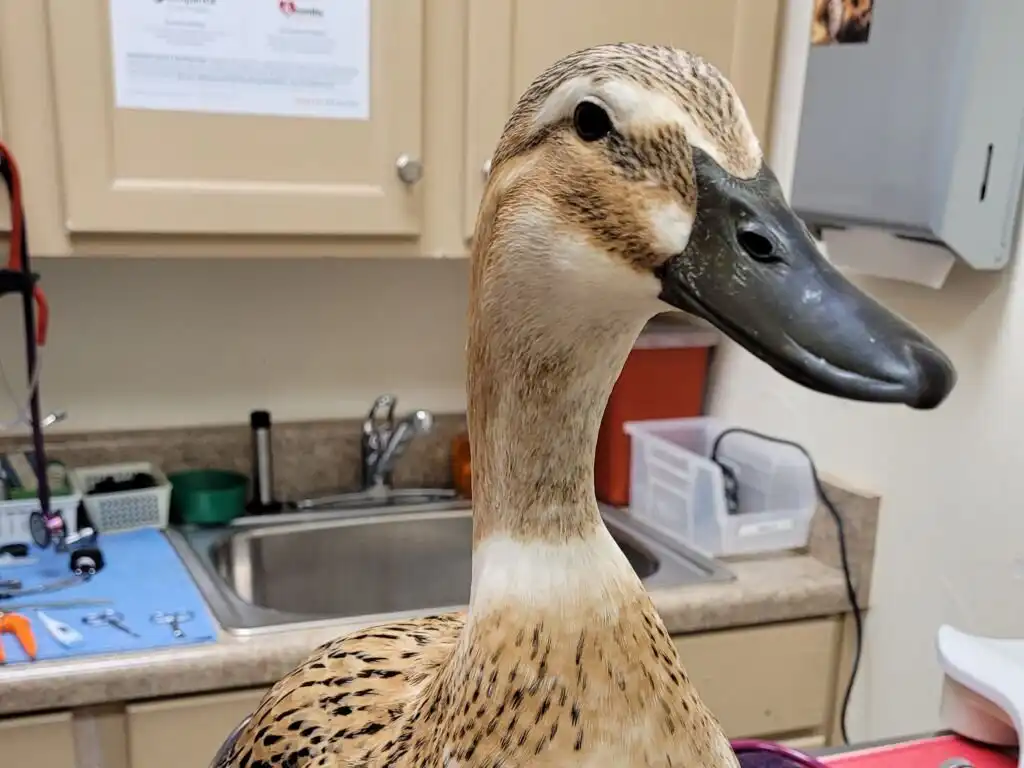
- Contingency Fund: An emergency fund for unexpected veterinary care. Given your background, you know that specialized expertise can be both rare and costly; finding and budgeting for an avian veterinarian is no different.
The Daily Time Commitment
The final dimension of the commitment is the daily investment of time and effort. Ducks are not "set and forget" animals. They require consistent, daily care to remain healthy and safe. Their unique physiology and behaviors, particularly their relationship with water, make them inherently messy creatures.
The following short videos provide a candid look at the daily realities of duck ownership.
5 Reasons NOT To Get Pet Ducks
This video from "Dunkin Ducks" bluntly outlines some of the less glamorous aspects of keeping ducks.
Watch the first minute of the video, which covers two key points: Messiness: Listen to the description of how messy ducks are. The statement that they "poop just about every 15 minutes" is a slight exaggeration but illustrates the core point: they produce a large volume of wet waste and have no bowel control. Cost: The video also reinforces the financial commitment, mentioning housing, water bills, specialized feed, and the high cost of exotic vet care.
Ducks 101: What To Know BEFORE You Bring Them Home! | Beginner Duck Care Guide 🦆
This "Ducks 101" guide from Cheese and Quackers Homestead provides a balanced overview for beginners.
Please watch the following clips to understand the daily routine and overall commitment: Daily Maintenance: The speaker notes that while ducks are hardy, the trade-off is the mess. Listen to her statement that you should expect them to be more daily maintenance than a chicken flock would be. Long-Term Responsibility: At the end of the video, the speaker summarizes the commitment involved. Pay attention to her concluding remarks that ducks are a big time commitment requiring daily maintenance.
Your daily care protocol will revolve around a few core, non-negotiable tasks:
- Food and Water (15-20 minutes): Providing fresh food and, most critically, fresh water. Ducks need water to eat, and they will immediately soil any water source you provide. Their water dishes and pools will need to be dumped, scrubbed, and refilled at least once a day, if not more.
- Cleaning (10-15 minutes): Spot-cleaning the coop and run. Because their droppings are wet, bedding becomes soiled quickly and must be managed daily to prevent odor and the growth of harmful pathogens like mold (e.g., Aspergillus), which can cause fatal respiratory infections.
- Health and Safety (5 minutes): Letting the ducks out of their secure coop in the morning and herding them back in at night is essential for predator protection. This is also the ideal time for a quick visual health check—observing their posture, activity level, and gait for any early signs of illness or injury.
In total, you should budget a minimum of 30-45 minutes every single day, without fail, for these essential chores. This time will increase with a larger flock and does not include weekly deep-cleaning, seasonal preparations, or time spent simply enjoying and building trust with your flock.
Conclusion
You have now analyzed the three fundamental pillars of the long-term commitment to duck ownership. Before moving forward, it's crucial to honestly assess if this aligns with your life.
Here are the key takeaways:
- Lifespan: You are committing to care for these animals for 10 to 15 years, or potentially longer.
- Financials: Be prepared for an initial investment of $500-$2000+ and ongoing monthly costs of $100 or more for a small flock, plus a contingency for veterinary emergencies.
- Daily Effort: You must be able to dedicate at least 30-45 minutes every day to a routine of feeding, providing clean water, and managing a significant amount of mess.
This commitment is substantial, but for those prepared for it, the reward is a unique and engaging relationship with these intelligent and fascinating birds.
In our next lesson, we will build directly on this foundation. We'll explore the pros and cons of different flock sizes and compositions, which will allow you to start refining your budget and time estimates based on the number of ducks you might want to keep.