Hello! Welcome back to our exploration of the Victorian reinvention of Christmas.
In our last lesson, we focused on the Christmas card, seeing how a simple, time-saving idea exploded into a massive industry thanks to new printing technologies and postal reforms. This was a perfect-case study of a much broader trend that defined the Victorian holiday: commercialization.
Today, we will zoom out to examine this larger phenomenon. This lesson addresses how buying, selling, and advertising became deeply woven into the fabric of the Christmas season during the 19th century. We will explore the social and industrial forces that made this possible, the new retail environments that emerged, and how traditions like gift-giving were transformed into engines of commerce.
The Foundations of a Commercial Christmas
Before the 19th century, Christmas was primarily a religious or community-based festival, not a major economic event. The idea of a "shopping season" simply didn't exist. This all changed with the profound societal shifts of the Victorian era.
A combination of industrial manufacturing, new labor laws, and a growing middle class created the perfect conditions for Christmas to become a commercial holiday.
A Reason to Celebrate: The Meaning of Victorian Christmas
To understand these foundational changes, let's start with a text that lays out the key factors. This reading from the Diefenbaker Canada Centre explains how the Industrial Revolution and new laws created both the products for sale and the time for people to celebrate and shop.
Please read the section titled 'Developing the Victorian Christmas'. As you read, focus on the cause-and-effect relationship between these three points: The impact of the Industrial Revolution on the availability and cost of goods. The significance of the Factory Act in giving the working class time off. How companies began to see Christmas as an opportunity for profit.
As you've read, the Industrial Revolution created a supply of mass-produced, affordable goods, while acts of Parliament created a population with the designated leisure time to enjoy them. This convergence was the critical first step. Businesses quickly recognized the economic potential of this newly formalized holiday, and began to actively shape it.
From Public Festival to Private Gift-Giving
Another crucial shift was in the nature of the celebration itself. Historically, winter festivals were often public affairs, celebrated with the wider community in town squares and marketplaces. The 19th century saw a significant "privatization" of Christmas, moving the focus from the community to the nuclear family celebrating in the private home.
This change had a profound commercial consequence: if the home was the new center of the holiday, it needed to be filled with festive things. This created a powerful new demand for decorations, special foods, and, most importantly, presents.
The History of Christmas Presents
The following video explains this shift from public to private celebration and how it directly spurred the culture of gift-giving.
Please watch from 02:47 to 06:03. Pay attention to how the video connects the privatization of the holiday to the rise of family gift-giving and the subsequent emergence of Christmas advertisements.
The video highlights Harriet Beecher Stowe's 1850 story, where a character complains about the tedious, novel task of buying presents. This literary snapshot captures the exact moment when a new commercial pressure was entering domestic life. This pressure was fueled and shaped by merchants who were eager to meet—and create—demand.
The Engines of Christmas Commerce
With the social foundations laid, several key industries and practices emerged that drove the commercialization of Christmas forward at a rapid pace.
1. The Shopping Season and Department Stores
In both Britain and America, the mid-to-late 19th century was the golden age of the department store. These new "palaces of commerce" transformed shopping from a simple transaction into a leisure activity. For Christmas, they created a sense of magic and spectacle with elaborate window displays, festive decorations, and in-store Santas to attract families.
The History of a Corporate Christmas | Christmas History | Extra History
This next clip from the 'Extra History' channel paints a vivid picture of the Victorian Christmas shopping frenzy in London and details the new retail strategies that were developed.
Watch from 10:24 to 13:10. Notice the descriptions of shopping as a leisure activity, the extended hours due to street lighting, the development of wrapping paper, and the intense pressure on retail workers.
2. The Commercialization of Gift-Giving
As shopping became a central Christmas activity, the nature of gifts changed. The tradition shifted from primarily handmade items to mass-produced, store-bought goods. Advertisements began to explicitly market products as ideal Christmas presents.
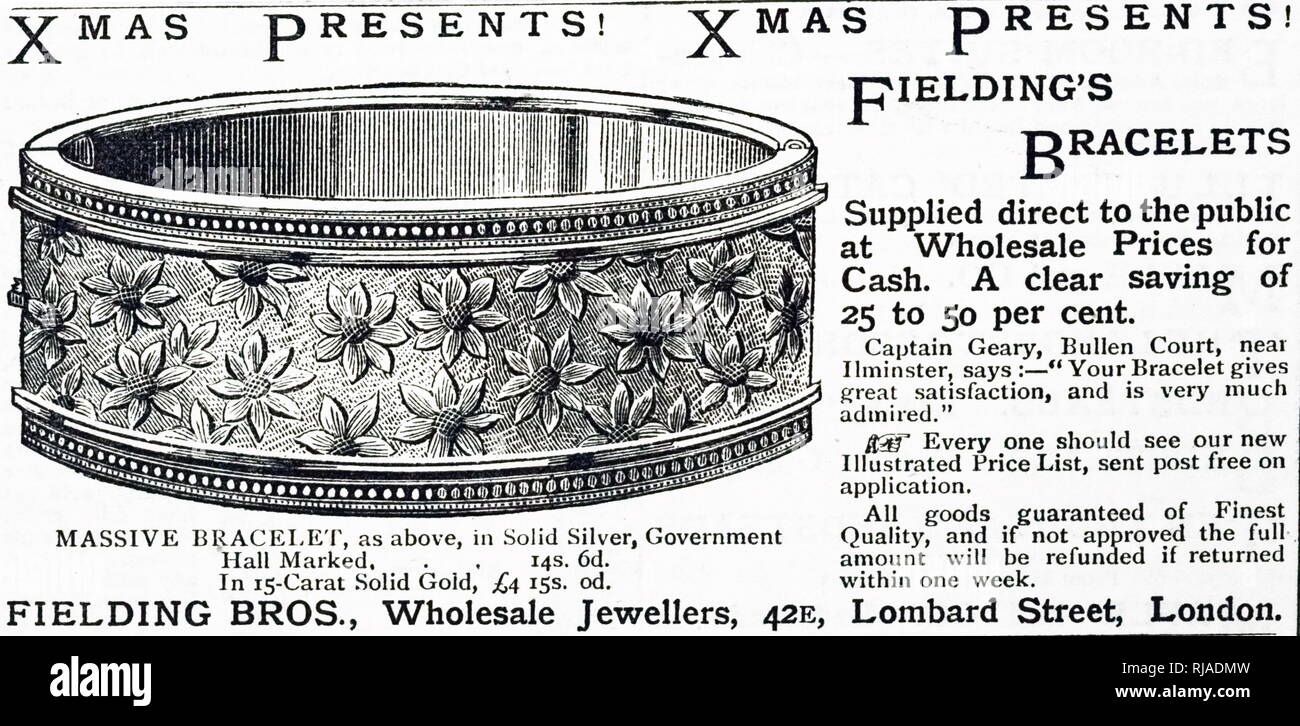
This transition wasn't always smooth. There was a cultural tension between the perceived impersonality of a commercial product and the heartfelt sentiment of a gift.
Christmas in 19th Century America
Let's explore this dynamic between commerce and sentiment. The following excerpt from 'History Today' discusses how gift-giving boomed in the 1870s and 80s, and how a 'dialogue' emerged between consumers and merchants.
Read the section that begins 'Decorated trees and cards, however, were only window dressing...' and ends '...patronizing the 'right' store.' Focus on how consumers and retailers negotiated the meaning of a gift through practices like making handmade items, finishing partially assembled goods, and the new ritual of gift wrapping.
Test your understanding!
According to the reading, how did the practice of wrapping presents serve two almost contradictory purposes in the 19th century?
Show answer
On one hand, wrapping a gift helped to symbolically transform a commercial item into a personal one, hiding its origin as a store-bought commodity and focusing on the moment of revelation. On the other hand, the distinctive wrapping paper used by high-end stores could also serve as an advertisement for the store itself, signaling the material status of the gift and the giver.
3. Santa Claus, the Salesman
As we saw in a previous lesson, the image of Santa Claus was codified in the 19th century. It didn't take long for this beloved figure to be enlisted as a powerful marketing tool. His association with gift-giving made him the perfect symbol to connect the magic of Christmas with the act of purchasing.

Companies realized that associating their products with Santa could imbue them with the spirit of the holiday, encouraging consumers to see their goods as essential parts of the Christmas celebration.
Conclusion
The commercialization of Christmas was not a simple or sudden event, but a complex process driven by the most powerful forces of the 19th century: industrialization, capitalism, and major shifts in social structure. The holiday that emerged from the Victorian era was one where sentiment and commerce were inextricably linked.
Key Takeaways:
- The Industrial Revolution and new labor laws like the Factory Act created the supply of goods and the leisure time necessary for a commercial Christmas.
- The celebration's shift from a public festival to a private, home-based event created a powerful new demand for presents, decorations, and other goods.
- Department stores revolutionized retail, turning Christmas shopping into a festive leisure activity with window displays and in-store Santas.
- Gift-giving moved from handmade to store-bought, with practices like gift-wrapping emerging to mediate the relationship between commerce and personal sentiment.
- Iconic figures like Santa Claus were quickly adopted in advertising to lend products a festive legitimacy.
In this lesson, we've seen how the Victorian model of Christmas took shape in Britain and America. In our final lesson of this module, we will explore how these very traditions, including their commercial aspects, spread across the globe through the influence of the British Empire.