Hello! Welcome back to our history of Christmas.
In our last lesson, we explored the complex process by which early Christmas absorbed and reinterpreted symbols and customs from pagan winter festivals like Saturnalia and Yule. We saw that it wasn't a simple "theft" but a dynamic process of cultural blending and theological reframing that gave the new holiday its festive character.
Now that we've established the origins of the date and customs, we'll turn to what the celebration actually looked like once it became an established part of the Christian year. This lesson will describe how Christmas was celebrated in the early Church during the 4th to 6th centuries, a pivotal period when its core liturgical and theological identity was forged.
1. The Post-Constantinian Context
Before the 4th century, any Christian celebrations would have been small, private, and conducted under the constant threat of persecution. This all changed with the conversion of Emperor Constantine in 312 AD. As Christianity moved from a persecuted sect to the favored religion of the Roman Empire, it could finally "come up from underground."
This new status enabled the development of public rituals, the construction of grand churches, and the establishment of a formal liturgical calendar. The emergence of Christmas as a major feast is a direct result of this newfound freedom and influence.
Should Christians Celebrate Christmas? | Daniel Kolenda: Off The Record
To set the scene for this era, this video excerpt discusses the pivotal changes that occurred in the 4th century after Constantine's conversion, which allowed Christian holidays like Christmas to develop.
Please watch the clip from 19:45 to 22:15. Focus on how the Church's new, state-sponsored status after centuries of being 'underground' created the conditions for developing formal holidays to replace pagan celebrations.
This context is crucial: the Christmas celebrations we are about to discuss were not quiet, hidden affairs. They were increasingly public, official, and elaborate statements of faith in a rapidly Christianizing empire.
2. The Theological Heart of the Feast: From Memory to Mystery
Initially, the feast of the Nativity was understood by figures like St. Augustine (d. 430) as a memoria—a commemoration of a historical event. Christians gathered to remember the past event of Jesus's birth.
However, by the mid-5th century, a significant theological shift occurred, most powerfully articulated by Pope Leo the Great (d. 461). He spoke of Christmas not just as a memoria, but as a mysterion—a mystery. For Leo, the celebration was not just about remembering a past event, but about making the profound mystery of the Incarnation—God becoming human—present and active for the faithful in the liturgy itself.
To understand this crucial development, please read the following brief section from the "Christmas and its Cycle" encyclopedia entry.
This reading explains the pivotal shift in the theological understanding of Christmas in the 5th century, which profoundly shaped the nature of its celebration.
Please read the single paragraph under the heading 'LITURGY' that begins 'The prolonged anti-Arian campaign...'. Note the distinction it draws between Augustine's view of Christmas as a 'memoria' and Leo the Great's view of it as a 'mysterion'.
This evolution from a simple historical anniversary to a deep theological mystery is what gave the early Christmas liturgy its solemnity and significance. The Church wasn't just celebrating a birthday; it was celebrating the central paradox of Christian faith.
3. The Liturgical Core: The Three Masses of Christmas
The most distinctive feature of the Christmas celebration in Rome was the development of a unique triple liturgy: three separate Masses celebrated at midnight, dawn, and daytime. This practice, first documented in the 6th century but likely developed earlier, was initially a "stational" liturgy, meaning the Pope and his clergy would process across the city to celebrate at three different, highly symbolic locations.
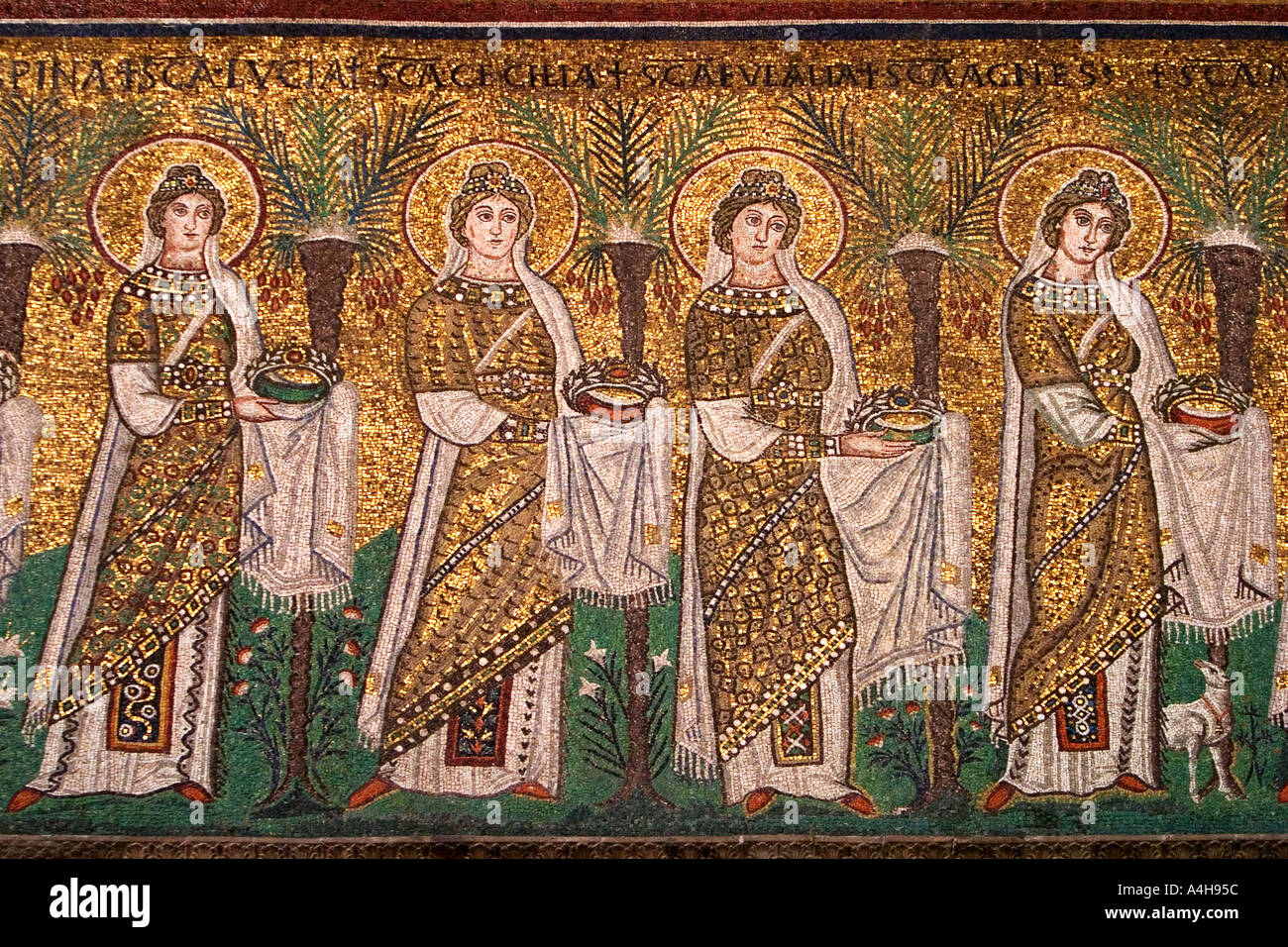
The following reading provides a detailed account of how this unique liturgical tradition came to be.
This text from the 'Christmas and its Cycle' entry details the historical origins and symbolic significance of the three distinct Masses that came to define the Christmas liturgy.
Please read the entire section titled 'Three Masses.' Pay close attention to the origin story and location for each of the three Masses: Midnight, Dawn, and Day. Notice the connection to holy sites in Jerusalem and Bethlehem.
To summarize the key points from the reading:
- Midnight Mass: Celebrated at the Basilica of St. Mary Major, which housed a replica of the Nativity grotto from Bethlehem. This directly connected the Roman celebration to the physical location of Jesus's birth.
- Dawn Mass: Held at the Church of St. Anastasia. This was a papal courtesy to the Byzantine officials who honored the martyr Anastasia on December 25th, but it eventually became a full Christmas Mass, symbolizing the dawn of a new light for the world.
- Day Mass: The oldest and most important of the three, originally celebrated at St. Peter's Basilica, the principal church of Roman Christendom.
This elaborate triple liturgy demonstrates how important the feast had become. It was a day of unparalleled liturgical solemnity, structured to walk the faithful through the story and symbolism of the Nativity.
4. Crafting a Season: The Christmas Cycle
Christmas did not remain a single-day event for long. The Church quickly began to build a liturgical season around it, turning December 25th into the anchor of a new "Christmas Cycle." This was achieved by assigning the days immediately following Christmas to the feasts of saints known as the Comites Christi—the "Companions of Christ."
These were not randomly chosen. They were selected for their profound theological connection to the Incarnation:
- December 26: St. Stephen. The first Christian martyr, representing those who died for Christ.
- December 27: St. John the Evangelist. The "beloved disciple" who wrote most profoundly about the Incarnation ("The Word was made flesh"), representing those who loved Christ in life.
- December 28: The Holy Innocents. The infants massacred by King Herod, representing those who died on account of Christ, even before they could know him.
This final reading explains how the days following December 25th were woven into a coherent liturgical narrative, creating an extended Christmas season.
Please start reading at the subheading 'The Christmas cycle' and continue to the end of the entry. Focus on how the feasts of St. Stephen, St. John, and the Holy Innocents were integrated into the days following Christmas, effectively creating a multi-day observance.
This intentional structuring of the calendar was a powerful teaching tool. It framed the joyous birth of Christ with the sober reality of its consequences: martyrdom and sacrifice. By the 6th century, this period was being recognized as a special, sacred season. A church council in Tours (567) officially proclaimed the "sanctity of the twelve days from Christmas to Epiphany," laying the foundation for the "Twelve Days of Christmas."
Test your understanding!
Based on the theological logic of the Comites Christi, why was the feast of St. Stephen, the first martyr, placed on the day immediately following the celebration of Christ's birth?
Show answer
Placing St. Stephen's feast on December 26th served as an immediate and powerful reminder that the Incarnation—God entering the world—would demand the ultimate sacrifice, not only from Christ himself, but from his followers. It theologically linked the joy of the Nativity with the harsh reality of martyrdom, showing that to follow the Christ-child was to be prepared to die for him.
5. The Spread of the Celebration
The adoption of Christmas was not a single, empire-wide event. It was a gradual process of diffusion, with different major centers of Christianity adopting the December 25 feast at different times.
- Rome: As we've seen, the feast was established here before 354 AD, as evidenced by the Philocalian Calendar.
- Constantinople: The feast was introduced around 379 AD by the theologian Gregory of Nazianzus.
- Antioch: The influential preacher John Chrysostom persuaded his congregation to adopt the feast around 386 AD, noting it was already well-established in the West.
- Alexandria (Egypt): Adopted the December 25 date relatively late, between 427 and 433 AD.
- Jerusalem: Resisted the longest. Being the actual location of the events, they held to their ancient tradition of celebrating the Nativity on January 6 (Epiphany) and did not adopt the December 25 date until the 7th century.
This staggered adoption, which you can read about in detail in the Catholic Encyclopedia article "Christmas" (resource LINK), demonstrates that the establishment of the holiday was a dynamic process of influence and exchange between the great cities of the Roman Empire.
Conclusion
In this lesson, we have moved from the origins of Christmas customs to the reality of its observance in the 4th to 6th centuries. We've seen a celebration that was deeply liturgical, theologically rich, and expanding in both duration and geography.
Key Takeaways:
- The celebration of Christmas flourished in the 4th century after the Church gained official status in the Roman Empire.
- Its theological core deepened from a historical commemoration (memoria) to a liturgical participation in the mystery of the Incarnation (mysterion).
- In Rome, the celebration was defined by a unique and symbolic triple liturgy: the Midnight, Dawn, and Day Masses.
- Christmas became the anchor of a new liturgical season, the "Christmas Cycle," by incorporating the feasts of the Comites Christi (St. Stephen, St. John, the Holy Innocents) in the following days.
- The feast spread gradually from West to East during the late 4th and early 5th centuries, becoming a fixture of the universal Church calendar.
In our previous lessons, we've explored the why, when, and how of the Christmas celebration's birth. Our next lesson will delve deeper into the theological debates that made this celebration so vital, exploring the profound significance of the Nativity in early Christianity and the heresies it was meant to counteract.