Hello! Welcome to your fifth lesson.
In our last lesson, we explored neuroplasticity and saw how the brain physically changes in response to experience. We ended by discussing the Habit Loop (Cue-Routine-Reward) and identified the neurotransmitter dopamine as the chemical that reinforces this loop, making habits stick.
Today, we're going to zoom in on that "Reward" component. We will explore the brain's powerful reward system, the true role of dopamine, and how it drives the very core of consumer motivation and desire. Our goal is to describe the brain's reward system (dopamine pathways) and its role in consumer motivation and desire.
This is the final lesson in our "Foundations of the Consumer Brain" module. Mastering this topic will give you a deep understanding of what truly motivates people to want, seek, and buy—a cornerstone of your goal to master and communicate neuromarketing.
The Architecture of Desire: The Brain's Reward Pathways
The reward system isn't a single spot in the brain, but a network of interconnected structures. Think of it as the brain's motivational engine. To understand it, we need to know the key parts and the highways that connect them.
Let's start by getting a clear overview of this system's anatomy and function.
The article 'Brain Reward System' from Simply Psychology provides a concise and well-structured explanation of the key brain regions and pathways involved. It will give us the vocabulary and map we need.
Please read the sections titled 'How the Brain Processes a Reward' and 'Reward Pathways in the Brain'. Focus on understanding the roles of the Ventral Tegmental Area (VTA), the Nucleus Accumbens (NAc), and the Prefrontal Cortex (PFC), as well as the two main pathways mentioned.
As the article explains, the process generally flows like this:
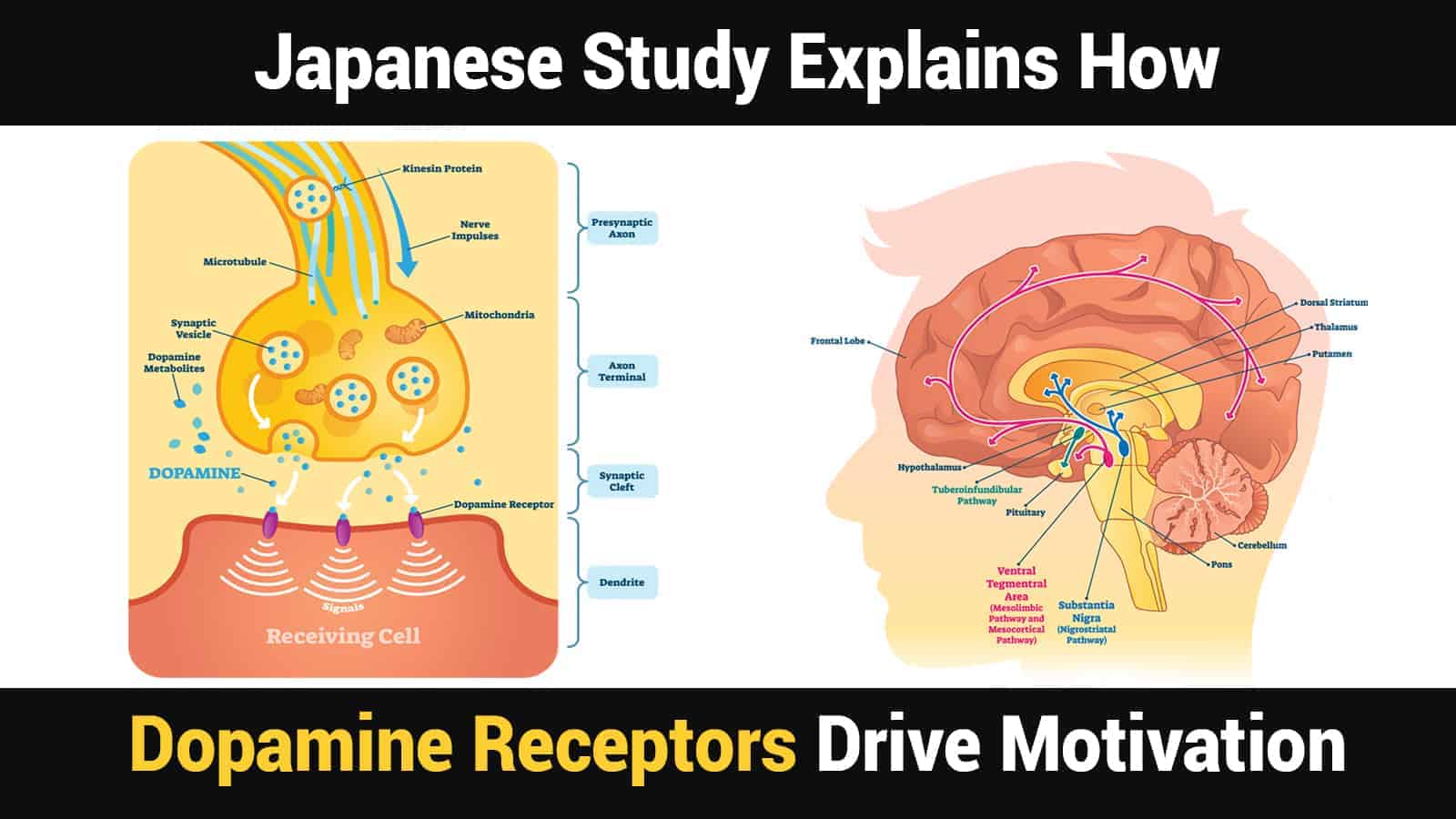
- The Ventral Tegmental Area (VTA), a group of neurons at the base of the midbrain, acts as the starting point. When it detects a potentially rewarding stimulus, it produces dopamine.
- The VTA then sends this dopamine along specific pathways to other brain regions.
Here are the two major pathways crucial for our discussion:
- The Mesolimbic Pathway (The "Wanting" System): This pathway connects the VTA to the Nucleus Accumbens (NAc). It is the primary driver of motivation, desire, and craving. When you feel a strong urge to buy something or check your social media, this pathway is highly active.
- The Mesocortical Pathway (The "Executive" System): This pathway connects the VTA to the Prefrontal Cortex (PFC), the brain's planning and decision-making center. This pathway helps you evaluate the reward, weigh the pros and cons, and decide whether to pursue it.
This image provides a helpful visual map of these pathways within the brain.
The Dopamine Myth: "Wanting" vs. "Liking"
You’ve likely heard dopamine called the "pleasure chemical." This is one of the biggest myths in popular neuroscience. While it's involved in the reward process, its primary role isn't to create the feeling of pleasure itself. Instead, it's about motivation.
Neuroscientists make a critical distinction between two different experiences:
- "Wanting" (Desire/Motivation): This is the craving, the anticipation, the drive to get something. This is driven by dopamine.
- "Liking" (Pleasure/Enjoyment): This is the feeling of satisfaction you get when you actually consume or experience the reward. This is driven by other brain systems, primarily involving opioids (the brain's natural version of morphine).
This distinction is fundamental to marketing. You can make someone want a product without them necessarily liking it, and vice versa.
Wanting vs. Liking: How the Brain's Reward System ...
This article, 'Wanting vs. Liking', does an excellent job of explaining this crucial difference and how early experiments led to the 'pleasure chemical' myth.
Please read the first section, 'Dopamine and the Reward System: Separating Wanting from Liking'. Pay attention to the rat experiments and how they reveal dopamine's true role in motivation, not pleasure.
As the article clarifies, the rats who would press a lever for dopamine stimulation weren't experiencing bliss; they were caught in a powerful, unending loop of "wanting." They were intensely motivated to press the lever again and again. This is why we can become addicted to things that no longer bring us pleasure—the "wanting" system has been hijacked, even if the "liking" has faded.
The Real Engine of Motivation
So if dopamine is about "wanting," how exactly does it create that powerful drive to act? The mechanism is fascinating and a bit counter-intuitive. It's not the presence of dopamine that motivates us, but rather the deficit that follows an initial taste of it.
Let's watch a video by neuroscientist Dr. Andrew Huberman, who explains this process brilliantly.
Dopamine System, Craving & Pursuit Explained | Dr. Andrew Huberman
In these clips from 'Dopamine System, Craving & Pursuit Explained', Dr. Huberman breaks down the precise sequence of events that turns anticipation into action. This is the core science behind motivation.
Please watch from 00:58 to 02:55, and then from 05:55 to 06:51. Focus on this sequence: 1) Anticipation creates a small dopamine peak. 2) Dopamine then drops below baseline. 3) This drop is the feeling of craving that motivates you to act.
Let's crystallize that process, as it's a powerful concept to communicate:
- Anticipation Creates a Peak: Just thinking about a delicious meal, a new phone, or a potential sale releases a small amount of dopamine. This is the brain saying, "Hey, that's interesting. Pay attention."
- A Drop Below Baseline: Immediately after this initial peak, your dopamine level doesn't just return to normal; it dips below where it started.
- Motivation to Fill the Gap: This drop creates a feeling of mild craving or incompleteness. It's this "dopamine deficit" that generates the motivation and energy to go out and pursue the reward to bring your levels back up to baseline (and hopefully beyond).
This is the engine of all goal-directed behavior. It’s what gets you out of bed to get coffee, what makes you refresh your email hoping for a client's response, and what drives a consumer to click "Add to Cart."
How Marketers Use the Reward System
Understanding this "anticipation-drop-pursuit" cycle allows us to see marketing tactics in a new light. Effective marketing isn't just about showing the final reward; it's about masterfully building anticipation.
1. Triggering "Wanting" before the Purchase:
Think about a fast-food commercial. It doesn't just show a person happily eating a burger. It shows slow-motion shots of the sizzling patty, the melting cheese, and the fresh lettuce. This isn't designed to make you feel "liking"—you can't taste it. It's designed to trigger your dopamine system, to make you want it. By building anticipation, they create that dopamine deficit that motivates you to go to their restaurant.
2. The Hedonic Treadmill:
Brands also exploit the fact that the pleasure from obtaining a reward is often fleeting. This creates a perpetual cycle of desire.
Neuromarketing: How brands are getting your brain to buy more stuff
This short clip from DW Planet A perfectly illustrates how brands like Apple leverage this cycle of desire, which is often called the 'hedonic treadmill'.
Please watch from 07:10 to 08:12. Notice how the pleasure of a new purchase quickly fades, making you 'want' the next new thing.
This cycle is a direct result of the dopamine system. The massive dopamine rush you anticipate from the new iPhone never quite matches the reality, and the "liking" feeling fades. Your dopamine level returns to baseline, and soon the anticipation for the next model begins, starting the "wanting" cycle all over again.
Test your understanding!
A company is launching a new video game. Based on what you've learned about the dopamine system, which of these two marketing strategies would be more effective at driving pre-orders (a "wanting" behavior)?
Strategy A: Show gameplay footage of the final boss battle, revealing the exciting ending of the game.
Strategy B: Release a cinematic trailer with mysterious characters, hints of the story, and short, fast-paced clips of early-game action, but no major spoilers.
Show answer
Strategy B is far more effective.
Strategy A gives away the reward. It might create some "liking" for the idea of the ending, but it kills the anticipation. There's nothing left for the brain to seek.
Strategy B is designed to maximize "wanting." The mystery, hints, and fast-paced clips are all designed to create anticipation. This triggers the initial dopamine peak, followed by the drop below baseline, creating a powerful craving in the potential player to find out more, to solve the mystery, and to experience that action for themselves. This "dopamine deficit" is what motivates them to pre-order the game to guarantee they can satisfy that craving on launch day.
Conclusion
Today we've dismantled the myth of the "pleasure chemical" and replaced it with a much more powerful and accurate understanding of the brain's motivational engine.
Here are your key takeaways:
- The brain's reward system primarily involves the VTA, Nucleus Accumbens, and Prefrontal Cortex.
- Dopamine's key role is not pleasure ("liking") but motivation and desire ("wanting").
- Motivation is driven by a counter-intuitive process: anticipation creates a small dopamine peak, which is followed by a drop below baseline, creating a craving that drives you to act.
- Marketers tap into this system by building anticipation to trigger the "wanting" system and leveraging the hedonic treadmill to create continuous cycles of desire.
Congratulations on completing the first module! You now have a solid foundation in the core systems of the consumer brain.
In our next lesson, we will begin Module 2: "Perception and Attention in a Distracted World." We'll explore the very first step in any consumer experience: how sensory information like the sight of a logo or the sound of a jingle even gets into the brain to be processed.