In our last lesson, we defined a clear and achievable goal for your first project: the Minimum Viable Video (MVV). Having a small, defined scope is a crucial first step. But knowing the destination isn't enough if the fear of not making the journey perfectly stops you from starting at all. You've mentioned that perfectionism and impostor syndrome can be challenges, feelings shared by almost every creator embarking on a new path.
This lesson is dedicated to equipping you with a powerful new mindset: "Done is Better than Perfect." Our goal is to transform this phrase from a simple cliché into a practical strategy you can apply at each of the five stages of video production. This approach isn't about lowering your standards for the thoughtful, reflective content you want to create; it's about building a sustainable process for growth, learning, and, most importantly, finishing your work.
Understanding the Perfectionist's Dilemma
Perfectionism often feels like a noble pursuit of excellence, but in creative work, it can become a form of self-sabotage. It's the voice that says, "If it can't be perfect, it's not worth doing." This can lead to paralysis before you even begin.
The video below by creator Matt D'Avella offers an insightful look into this mindset, distinguishing between healthy ambition and the kind of perfectionism that holds us back.
How to get things done as a perfectionist.
In his video "How to get things done as a perfectionist," Matt D'Avella explores the psychology behind creative paralysis.
Watch the first few minutes to understand the difference between adaptive (healthy) and maladaptive (unhealthy) perfectionism at the beginning. Then, pay close attention to the cautionary tale of the animator Richard Williams and his film, The Thief and the Cobbler in the next segment. It's a powerful real-world example of how the quest for a "masterpiece" can prevent anything from being completed at all.
The story of The Thief and the Cobbler is a stark reminder that an imperfect finished project that reaches an audience is infinitely more valuable than a "perfect" one that never sees the light of day. For a new creator, every finished project is a lesson learned and a step forward.
The Core Principle: Quantity Forges Quality
Perhaps the most counter-intuitive and powerful secret to getting good at anything is to prioritize quantity over quality, especially at the beginning. This doesn't mean creating sloppy work. It means embracing the learning process that comes from repetition.
The classic "Parable of the Pottery Class" illustrates this perfectly.
In his comprehensive guide to YouTube, creator Ali Abdaal explains why focusing on repetition is the key to improving your craft.
Find the section titled "2. Get Good" and read the part about Quantity vs Quality. Focus on the parable itself. This short story is one of the most important mental models for any new creator to adopt.
The lesson from the pottery class is profound: the group that focused on making one pot a day didn't just produce more work; they produced better work. By making 30 pots, they went through the entire creative cycle 30 times. They had 30 opportunities to experiment, fail, learn, and improve. The "quality" group had only one.
As you begin your channel with a goal of one video per month, this principle is your north star. Your aim isn't just to produce one video; it's to complete the entire production cycle. Each finished video—each "pot"—makes you a better storyteller, a better editor, and a more confident creator.
Applying "Done is Better than Perfect" to Your Workflow
Adopting this mindset means changing how you approach each stage of video production. It's about defining what "done" looks like for each step, so you know when to move on.
Let's break down how this applies to the five stages we've discussed.
1. Idea Stage
- Perfectionist Trap: Waiting for a groundbreaking, life-changing idea before you even start writing.
- "Done" Approach: Your MVV scope (a single, simple idea) is your guide. "Done" is a single sentence that captures your core message, like "A moment on my island that made me feel connected to nature." It doesn't have to be the most profound thought you've ever had; it just has to be a complete one.
2. Assets Stage
- Perfectionist Trap: Spending hours looking for the perfect stock clip or agonizing that your smartphone footage isn't "cinematic" enough.
- "Done" Approach: "Done" means you have enough visuals to cover your 150-300 word script. A "good enough" clip that supports your story is better than no clip at all. Remember, your channel is faceless and reflective; the mood and story are more important than technical perfection in any single shot.
3. Assembly Stage: The "Rough Cut"
This is where the "Done is Better than Perfect" mindset becomes a formal industry practice. Professional editors do not try to make a perfect video in one pass. Their first goal is to create a Rough Cut.
From Assembly to Picture Lock - Rough Cut, Fine Cut, and Final Cut
This article from Filmsupply outlines the professional editing process, providing a key piece of vocabulary for our new mindset.
Please read the short section titled "Rough cut." Pay close attention to this sentence: "It's not about perfection...". This is the definition of "done" for the assembly stage.
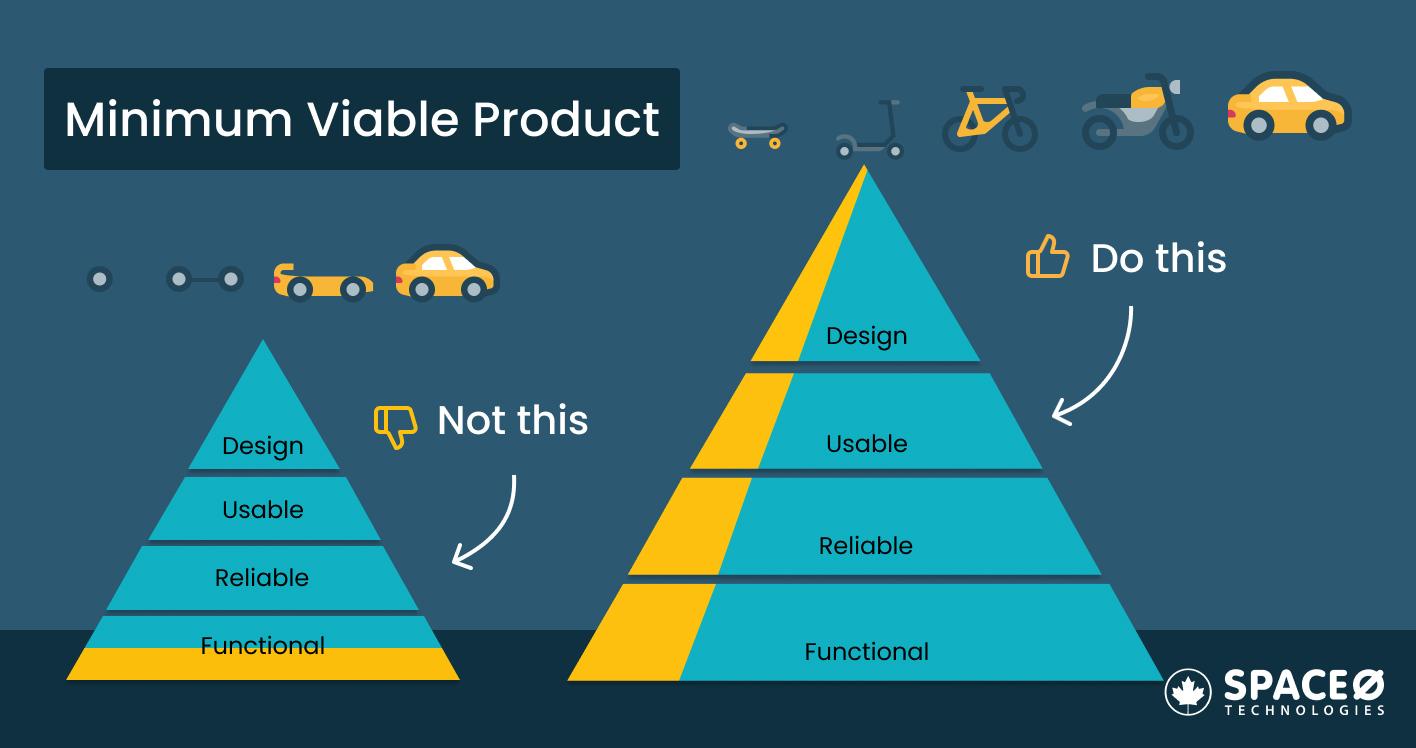
The rough cut is your MVV in its rawest form. It's all your main visual and audio elements laid out on the timeline in the correct order. The timing might be off, the audio levels messy, and the cuts jarring. That's okay. Its purpose is simply to create the story's structure. Getting to a rough cut is a huge victory—it means you have a complete "skateboard" version of your video.
4. Polish Stage: The "Fine Cut" and the 90% Rule
- Perfectionist Trap: Endlessly tweaking colors, transitions, and audio, spending hours on tiny details no one will notice. This is known as "pixel-f*cking" in the design world, and it's a major cause of burnout.
- "Done" Approach: The goal of the polish stage is to turn your "Rough Cut" into a "Fine Cut," where you refine the pacing, improve the audio, and create a consistent mood. But you must know when to stop. This is where the 90% Rule comes in.
In his video, Matt D'Avella introduces the idea of stopping when a project is 90% there, recognizing that the final 10% requires a disproportionate amount of effort for diminishing returns.
How to get things done as a perfectionist.
Let's return to Matt D'Avella's video to learn about a practical stopping point.
Watch the section where he explains the law of diminishing returns and his strategy to "Stop at 90%". This is a powerful tactic to prevent endless tinkering.
For your 1-2 minute video, this means once the voiceover is clear, the music sets the right mood, and the visuals tell the story, you are likely at 90%. It's time to move on.
5. Publishing Stage
- Perfectionist Trap: Keeping the final video "Unlisted" forever, paralyzed by the fear of what people will think. This is where impostor syndrome is strongest.
- "Done" Approach: Hitting "Publish" is the final step of the learning loop. To fight the fear, it helps to right-size your expectations of the reaction.
Let's look at Ali Abdaal's advice on the fear of starting and the importance of consistency.
First, read the section "The Fear of Getting Started." Focus on the three points he makes, especially his explanation of The Spotlight Effect. Then, read the final two points in the "Wrapping Up" section: "Be Consistent" and "Enjoy the Journey."
The truth is, no one is watching your first videos as critically as you are. Your first audience will be small and likely supportive. The most important function of publishing is to close the chapter on one project so you have the mental space to begin the next.
Conclusion
Embracing "Done is Better than Perfect" is the single most important mindset shift you can make as you start your YouTube journey. It is the key to overcoming the inertia of perfectionism and building real momentum.
Key Takeaways:
- Perfectionism is a barrier, not a benchmark. It often masks a fear of judgment and prevents you from starting and finishing.
- Quantity is the engine of quality. Repetition is how you learn and improve. Aim to complete your MVV, learn from it, and start the next one.
- Use professional workflows as a guide. Aim to complete a "Rough Cut" as your primary goal in the assembly stage. This gives you a tangible definition of "done."
- Know when to stop. Use mental models like the 90% Rule to avoid endless tweaking and recognize the point of diminishing returns.
This mindset is a muscle you will build over time. Be patient with yourself. In our next lesson, we will take our first concrete, practical step in building a sustainable workflow. To support our goal of consistent creation, we need an organized system. We'll set up a simple, reusable folder structure for your video projects.