Hello! Welcome to the seventh lesson in our module on Corporate Governance and Fiduciary Duties.
In our last lesson, we examined the vital role of independent directors. We saw them as an internal check on corporate power, using their objective oversight within the boardroom and its key committees to ensure management acts in the company's best interests. Today, we shift our focus from the internal guardians to the ultimate source of power in a corporation: the shareholders.
This lesson addresses the learning outcome: Analyze shareholder voting rights and their function in corporate control contests. We will explore how shareholders exercise their authority and, most importantly, how this power becomes the central weapon in battles for corporate control. This is where the theoretical rights of ownership translate into real-world power struggles.
1. The Foundation: What Are Shareholder Voting Rights?
The right to vote is the most fundamental right a shareholder possesses. It is the primary mechanism through which owners hold the management they've entrusted to run the company accountable. While shareholders don't manage the company day-to-day, they have the power to decide on the most critical corporate matters.
To understand these foundational rights, let's start with a clear summary.
Understanding Shareholder Rights in Corporate Law
The following article, 'Understanding Shareholder Rights in Corporate Law' from CEB, provides a concise overview of the different rights shareholders hold. We'll focus on the most important one: the right to vote.
Please read the section titled '1. Voting Rights.' Pay close attention to the list of matters shareholders typically vote on.
As you just read, shareholders vote on the corporation's most significant issues:
- Electing and removing directors: This is the most direct way shareholders influence the company. By choosing the board, they are choosing the people who will oversee management and set strategy.
- Approving major transactions: Actions like merging with another company, selling all of the company's assets, or dissolving the corporation are so fundamental that they require shareholder approval.
- Amending foundational documents: Changes to the articles of incorporation or bylaws often need a shareholder vote.
- Shareholder proposals: Shareholders can put forward their own proposals for a vote at the annual meeting.
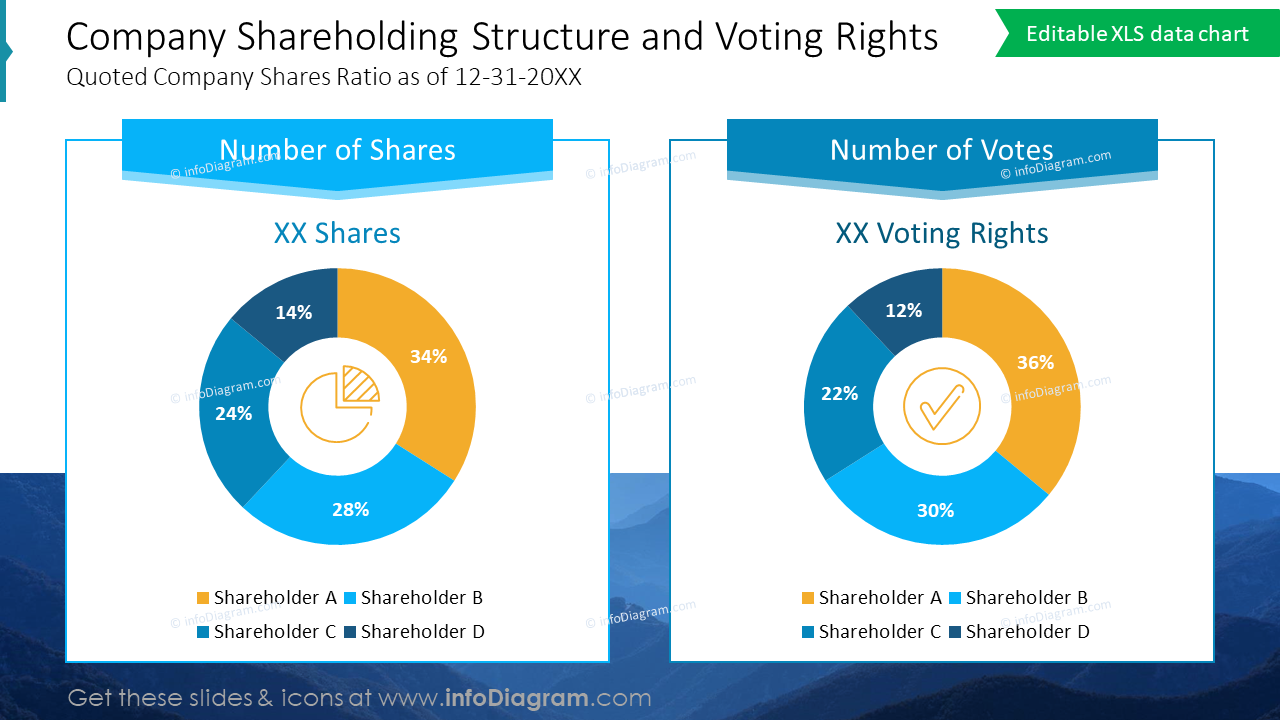
Typically, voting power is straightforward: one share equals one vote. However, this isn't always the case. Companies can issue different classes of stock that carry different voting rights. For example, a "Class A" stock might get one vote per share, while a "Class B" stock, often held by founders, might get ten votes per share. This is known as a dual-class stock structure, and it's a way for founders or insiders to maintain control even if they don't own a majority of the shares.
2. The Proxy Fight: Weaponizing the Shareholder Vote
How do shareholders actually use their votes to challenge management and fight for control? The most dramatic and direct way is through a proxy fight (also called a proxy contest).
Most shareholders of public companies don't attend the annual shareholder meeting in person. Instead, they vote by proxy, which means they authorize someone else to vote on their behalf. Management always solicits proxies from shareholders to vote in favor of its own director nominees and proposals.
In a proxy fight, a dissident shareholder (or a group of them, often called "activists") challenges the incumbent management by soliciting proxies from other shareholders to vote for their alternative proposals. Most commonly, this involves proposing an alternative slate of directors.
To understand the mechanics and goals of a proxy fight, watch the following video.
This video, 'Proxy Fight,' from the Edspira channel, offers a clear and practical explanation of what a proxy fight is, why it's initiated, and how it works.
Please watch the video from the beginning until 3:49. Focus on the definition of a proxy fight, the goals an activist shareholder might have (e.g., replacing the board), and the real-world example of William Ackman's fight with Target.
As the video explained, a proxy fight is a battle for the "hearts and minds" of the shareholders. The activists try to convince shareholders that the current management or board is underperforming and that their plan—and their chosen directors—will unlock more value. If the activists successfully collect enough proxy votes, they can win seats on the board and directly influence the company's direction. This could mean changing a key strategy, firing the CEO, or dismantling defenses to make the company more attractive for a sale.
Test your understanding!
An activist investor believes that a retail company is poorly managed and that its stock is undervalued. The company's management has refused to consider the investor's suggestion to sell off its valuable real estate assets. What is the most direct way for the investor to use shareholder voting rights to force this change, and what would they need to achieve?
Show answer
The most direct way is to launch a proxy fight. The investor would need to nominate their own slate of directors who are committed to the real estate sale strategy. They would then solicit proxies from other shareholders, aiming to convince them to vote for their nominees instead of management's. If their nominees win a majority of seats on the board, the newly controlled board can then approve the sale of the real estate assets.
3. Proxy Fights in the Context of Hostile Takeovers
Proxy fights often occur as part of a larger, even more aggressive corporate maneuver: a hostile takeover. A takeover is "hostile" when one company (the acquirer or "bidder") tries to buy another company (the "target") whose board and management are against the deal.
Since the target's board won't agree to the sale, the acquirer must bypass them and appeal directly to the target's true owners: the shareholders. A proxy fight is one of the key tools for doing this.
This video, 'Hostile takeovers explained,' uses a simple analogy to illustrate how hostile takeovers work and where proxy fights fit in.
Watch the section from 1:56 to 3:42, which details the three main methods of a hostile takeover. Notice how the proxy fight is presented as one of these primary strategies.
As the video shows, if an acquirer's offer to buy the company is rejected, they can launch a proxy fight to replace the target's board with directors who will approve the deal. This tactic is often combined with a tender offer, where the acquirer makes a public offer to buy shares directly from shareholders at a premium price. The combination is powerful: the tender offer gives shareholders a financial incentive to sell, while the proxy fight provides a path to remove the board that is blocking the sale.
4. The Ecosystem of a Control Contest
As a future corporate lawyer, it's important to recognize that proxy fights are not just duels between a dissident and management. They involve a whole ecosystem of specialized players who are crucial to the outcome.
Emerging Issues in Shareholder Activism and ...
This professional presentation, 'Emerging Issues in Shareholder Activism,' from the Capital Markets Tribunal, gives an inside look at the players involved. While the document is dense, we will focus on one key slide.
Please review slides 12, 13, and 14 (labeled 'Other Key Players: Role & Influence,' '...Institutional Shareholder Services (ISS),' and '...Glass Lewis & Co.'). Focus on identifying these three key players and their roles: Proxy Solicitors Proxy Advisory Firms (like ISS and Glass Lewis) Institutional Investors (mentioned in the context of the advisory firms)
Here is a simplified breakdown of the key players you'll encounter in a control contest:
- Activists: These are the shareholders initiating the fight. They range from individual investors to massive, well-funded activist hedge funds like Pershing Square (run by William Ackman, from the video example) or Elliott Management.
- Proxy Solicitors: These are specialized firms hired by either the company or the activist to contact shareholders and persuade them to vote for their side. They are the "ground troops" of a proxy fight.
- Proxy Advisory Firms: Firms like Institutional Shareholder Services (ISS) and Glass Lewis are incredibly influential. They analyze the proposals from both sides and issue voting recommendations to their clients, who are primarily large institutional investors (like pension funds and mutual funds). A positive recommendation from ISS can often decide the outcome of a proxy contest.
Understanding this ecosystem is critical because a control contest is as much about persuasion, public relations, and strategy as it is about the legal right to vote.
Conclusion
Today, we've explored the power behind shareholder ownership. We've seen that the right to vote is not merely a formality but the fundamental tool for exercising control over a corporation.
Key Takeaways:
- Fundamental Right: Shareholder voting on directors and major corporate decisions is the primary mechanism for holding management accountable.
- Proxy Fights: When dissident shareholders want to force a change, they can launch a proxy fight to solicit votes from other shareholders, typically to elect their own slate of directors.
- Function in Control Contests: Proxy fights are a key weapon in hostile takeovers, used to replace a resistant board with one that will approve an acquisition.
- Key Players: These contests involve a complex ecosystem of activists, specialized proxy solicitation firms, and highly influential proxy advisory firms like ISS and Glass Lewis.
In this lesson and the last, we've examined two pillars of accountability: the board's internal oversight and the shareholders' external voting power. But what happens when directors breach their duties and cause harm to the company? In our next and final lesson of this module, we will examine the shareholder derivative suit, a powerful legal tool that allows shareholders to step into the corporation's shoes and sue its own directors and officers.