Welcome to the final lesson of your introductory course on e-commerce. In our previous lesson, we examined the significant challenges that online businesses face, namely logistics, security, and intense market competition. Having understood the hurdles, we now turn our attention to the horizon to explore the exciting innovations and trends that are actively reshaping the industry and offering new ways to succeed.
This lesson will address the learning outcome of describing the emerging trends shaping the future of e-commerce. We will focus on three transformative forces: the ubiquity of mobile commerce (m-commerce), the integration of shopping into social media (social commerce), and the sophisticated use of artificial intelligence (AI) for personalization. These trends are not just futuristic concepts; they are defining the competitive landscape right now.
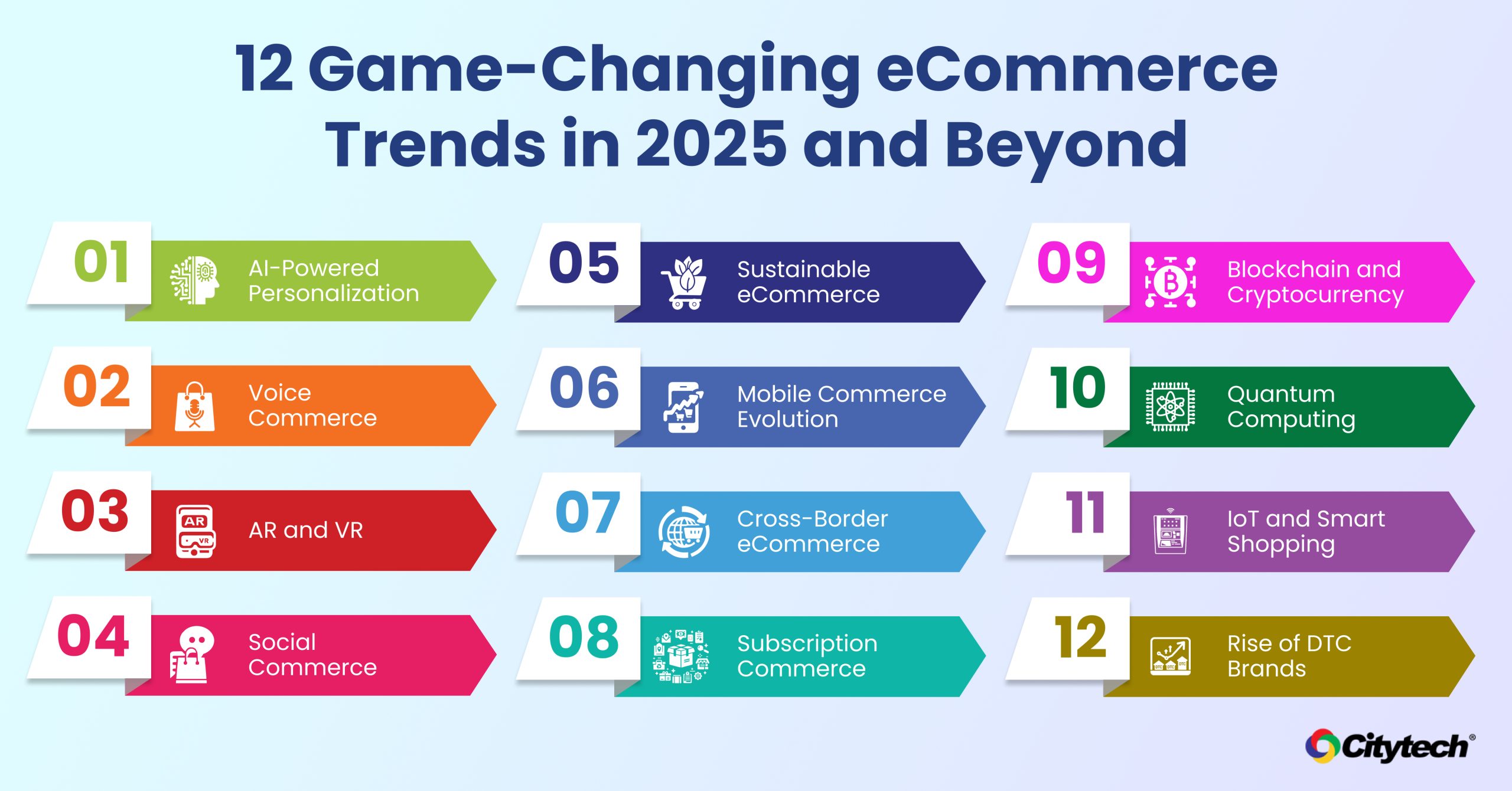
1. The Mobile-First World: M-Commerce
The first major trend isn't so much emerging as it is dominant: mobile commerce, or m-commerce. This refers to any commercial transaction conducted through a mobile device, such as a smartphone or tablet. While you've likely made purchases on your phone, the concept of m-commerce extends beyond just a mobile-friendly website. It encompasses an entire ecosystem of activities.
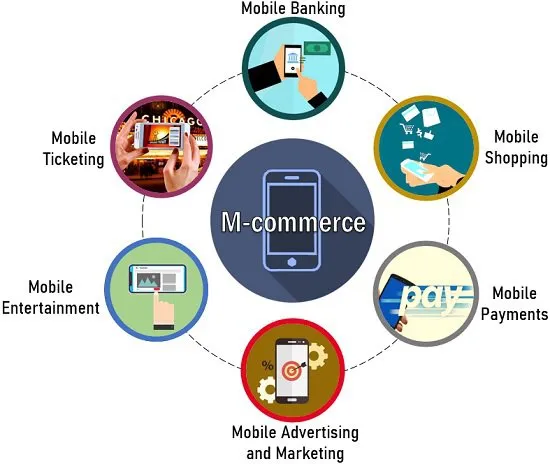
The shift to mobile is no longer a niche; it's the primary way many people experience the internet and, by extension, e-commerce. For businesses, this means that a mobile-optimized experience isn't a feature—it's a fundamental requirement.
To grasp the scale of this trend, let's look at an article from Coursera that quantifies the dominance of mobile devices in online shopping.
E-Commerce Trends for 2026 and Beyond | Coursera
This article provides a concise overview of several key e-commerce trends. We'll focus on its section about mobile shopping.
Please read the section titled "2. Mobile shopping is strong and getting stronger." You can find it by looking for the text Mobile shopping. Pay attention to the data presented and the clear conclusion it draws about the need for mobile optimization.
As the article confirms, a significant majority of online shopping now happens on mobile. A slow, clunky, or difficult-to-navigate mobile site is one of the fastest ways to lose a customer, especially in the competitive environment we discussed in the last lesson.
2. Social Commerce: The Storefront in Your Feed
Building on the foundation of m-commerce is social commerce, a trend that brings the point of sale directly into the platforms where users spend their time. It's the natural evolution from seeing a product on Instagram to buying it without ever leaving the app.
But what exactly is social commerce, and how does it differ from simply running ads on social media? The key distinction is the reduction of friction.
What is Social Commerce? Stats & Tips to Know [2025] - Sprout Social
This article from Sprout Social offers an excellent, clear definition of social commerce.
Read the section defining social commerce. This will clarify how it shortens the path from discovery to purchase.
By embedding the entire shopping experience—discovery, consideration, and purchase—within a single platform, social commerce makes buying impulsive, easy, and highly interactive. This is not just a theoretical concept; it's a rapidly growing part of retail strategy.
The 10 Biggest Retail Trends In 2025
In this short clip from his video on retail trends, Bernard Marr highlights the explosive growth of social commerce.
Watch the segment from the beginning where he discusses how platforms like TikTok and Instagram are becoming serious shopping channels, and who consumers are trusting for recommendations.
As the video notes, trust shifts from traditional ads to influencers and live streamers, blending entertainment with commerce. To see how this works in practice, you can explore the various platforms enabling this trend. The Sprout Social article provides a great overview of the different "shoppable" features offered by major social networks. I encourage you to quickly review the platforms that interest you most.
What is Social Commerce? Stats & Tips to Know [2025] - Sprout Social
Let's return to the Sprout Social article to see how different platforms are implementing social commerce.
Read the introduction to the section on Best social commerce platforms, and then skim the descriptions for a few key players like Instagram, Facebook, and TikTok to understand their specific tools (e.g., Product Tags, Shops, LIVE shopping).
3. AI-Driven Personalization: The Bespoke Experience
The final, and perhaps most transformative, trend is the use of artificial intelligence (AI) to create deeply personalized customer experiences. In a crowded marketplace, personalization is the ultimate differentiator. It's how a brand shows it understands and values its customers as individuals.
AI is moving beyond basic recommendations ("people who bought this also bought...") to predicting what you might need before you even realize it.
The 10 Biggest Retail Trends In 2025
Let's watch another brief clip from Bernard Marr's video for a compelling example of predictive personalization.
Focus on the segment from 0:27, where he describes an app that can create a meal plan from a photo of your fridge. This is a perfect illustration of AI anticipating a customer's needs.
This level of personalization is powerful, but it's also a delicate balance. How do brands use customer data to be helpful without being intrusive? A fantastic TED Talk by Mark Abraham explores the concept of "true personalization" and how the most successful companies get it right.
The Power of Personalization in the Age of AI | Mark Abraham | TED
This TED Talk, "The Power of Personalization in the Age of AI," provides a brilliant framework for thinking about this trend.
Please watch the following segments: First, understand the core concept by watching the speaker define true personalization and distinguish it from simple customization. Next, grasp the counterintuitive secret to great personalization in the segment on the "less is more" approach. See this principle in action in the detailed case study of how Fidelity uses data to delight customers while reducing irrelevant messages. Finally, listen to his warning about the coming "content explosion" and why building trust is more critical than ever.
As Mark Abraham argues, true personalization isn't about more ads or more emails. It's about using data to build trust by delivering relevant, timely, and valuable experiences while respecting the customer's attention. Companies that master this "less is more" approach will be the ones that earn lasting loyalty.
Conclusion and Course Wrap-Up
In this final lesson, we've journeyed from the operational challenges of modern e-commerce to the innovative trends shaping its future.
Here are your key takeaways on these emerging trends:
- M-commerce is the dominant mode of online shopping, making a seamless mobile experience non-negotiable for survival and growth.
- Social Commerce integrates the storefront directly into social media, shortening the path to purchase and leveraging the power of social proof and influencer marketing.
- AI-Driven Personalization, when done right, moves beyond simple recommendations to build deep customer trust and loyalty by delivering truly relevant experiences, embodying a "less is more" philosophy.
These trends are deeply interconnected. A customer might discover a product via a personalized AI-driven ad on their mobile phone, watch an influencer's review on TikTok, and complete the purchase directly within the app. This is the new, fluid customer journey that successful businesses must master.
Congratulations on completing this introductory course on e-commerce! We began by defining the landscape and its key players, moved through the core operations of running an online business, confronted the major challenges, and have now looked ahead to the future. You have built a solid conceptual foundation for understanding how the world of online commerce works. I hope this journey has been both informative and inspiring.