Welcome back. In our last lesson, we focused on identifying the key differences between passive, aggressive, passive-aggressive, and assertive communication styles. You learned how to recognize these patterns in workplace interactions, establishing the "what" and "why" of effective communication.
Today, we transition from identification to application. This lesson is about the "how." We will explore practical techniques to communicate assertively, focusing on expressing your needs and setting professional boundaries with confidence and respect. Mastering this skill is vital for your goal of transitioning into the tech world, where you'll need to advocate for your technical insights in collaborative, cross-functional teams.
By the end of this lesson, you will be able to apply several core assertive communication techniques to make requests, say "no" constructively, and protect your focus and time at work.
The Foundation of Assertive Action
In our previous lesson, we established that assertive communication is the most effective style because it avoids the "emotional noise" of aggression or passivity, ensuring your message is heard clearly. The foundation of being able to act assertively rests on an internal belief: that you have the right to express yourself, just as others do.
Before diving into techniques, it's helpful to internalize what these rights are in a professional context.
This section from the Algonquin College workbook outlines the fundamental personal rights that underpin assertive behavior. Understanding these provides the "permission" you need to act assertively.
Please read the list of personal rights under the heading "Learn your rights." As you read, reflect on which of these rights you find most challenging to uphold in your current professional environment.
Recognizing rights like "the right to say no," "the right to make mistakes," and "the right to follow my own values" is the first step. The next step is learning the language to exercise those rights respectfully.
Core Technique 1: Using "I" Statements
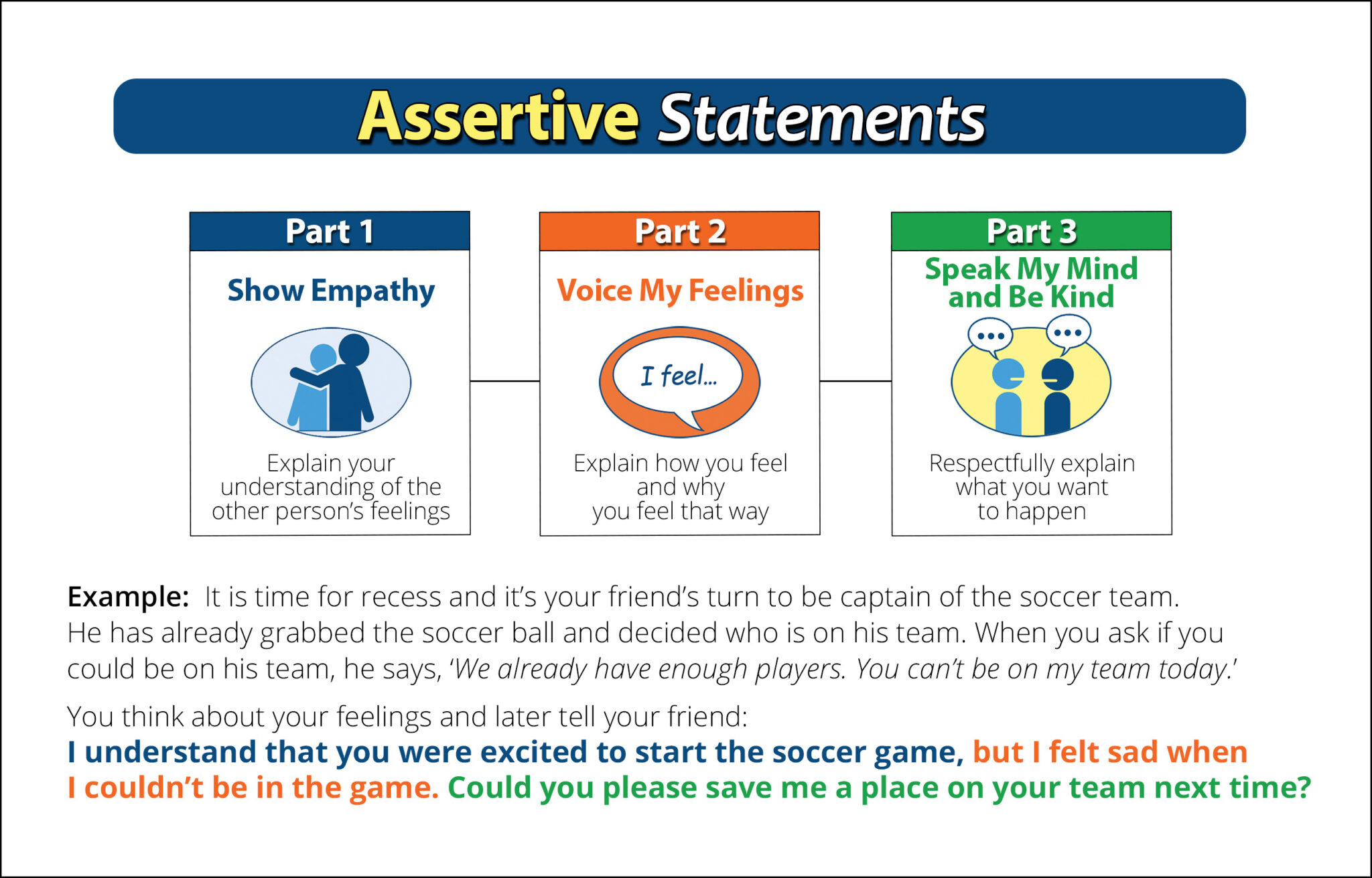
The single most powerful tool in assertive communication is the "I" statement. It allows you to express your feelings, thoughts, and needs without blaming or accusing the other person. Compare these two statements:
- "You" statement (blaming): "You are derailing the meeting with off-topic questions."
- "I" statement (owning): "I am concerned about getting through the agenda on time. I would like to save new topics for the end of the meeting."
The "I" statement focuses on the problem and a desired solution, not on attacking the person. It invites collaboration rather than defensiveness.
The following video provides excellent guidance on how to phrase "I" statements effectively.
Be Direct and Polite in English with Assertive Communication | 5 Tips
This clip from Speak Confident English demonstrates the subtle but important power of using "I language."
Please watch the section on using "I" language. Pay close attention to the example comparing "It would be helpful if you..." with "I would appreciate it if you..." and the explanation of why the latter is more effective.
A common pitfall is disguising a "you" statement as an "I" statement, like saying, "I feel like you are not listening to me." This still carries an accusatory tone. A truly assertive "I" statement owns the feeling completely: "I am feeling unheard right now."
The following visual provides a simple, three-part structure for building an effective assertive statement.
Core Technique 2: Setting Clear Boundaries
One of the most common applications of assertive communication is setting and maintaining boundaries. In a professional setting, this often means protecting your time, managing your workload, and saying "no" to requests that are unreasonable or conflict with your priorities.
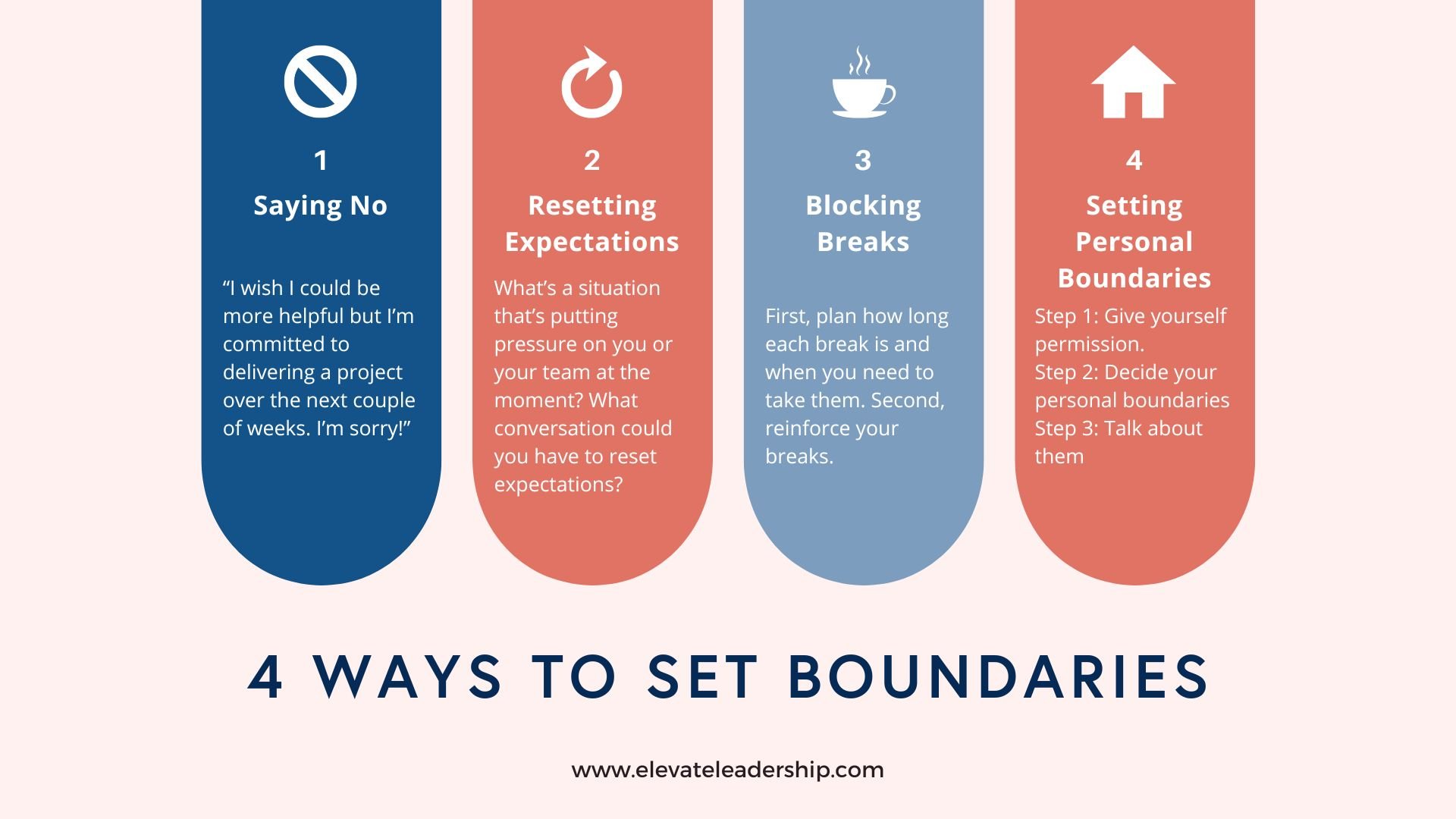
Learning to say "no" gracefully is a critical skill. Many people weaken their "no" with apologetic or tentative language because they fear appearing unhelpful. However, a clear "no" is often more respectful than a reluctant "yes" that leads to resentment or poor-quality work.
Let's look at how to do this effectively.
Be Direct and Polite in English with Assertive Communication | 5 Tips
These two clips from the same video provide practical advice on strengthening your language when setting boundaries.
First, watch the segment on using empowering language. Notice how it advises against using weakening words like "just" or "sorry." Next, watch the segment on setting clear boundaries. The example of declining an invitation while offering an alternative is a powerful template for saying "no" while preserving a positive relationship.
As you can see, you can be direct and firm while still being polite and collaborative. Offering an alternative, suggesting a different timeline, or explaining the consequences for your other work are all assertive ways to handle requests you cannot meet. For instance, if asked to take on a last-minute task:
- Passive: "Oh, okay, I guess I can try to fit it in." (Leads to stress and potentially missed deadlines.)
- Aggressive: "No, can't you see I'm busy? Ask someone else." (Damages relationships.)
- Assertive: "I understand this is urgent, but I am currently focused on completing the payroll report by its 3 p.m. deadline. I can take a look at this new task after that, or perhaps we can delegate it to someone else if it can't wait."
Putting It All Together: Scripts and Practice
Being assertive, especially if you are not used to it, can feel uncomfortable at first. It is a skill that improves with conscious practice. One of the best ways to build confidence is to prepare for challenging situations by scripting and rehearsing what you want to say.
This doesn't mean memorizing lines, but rather clarifying your thoughts and finding the right words before you're in a high-pressure moment.
Be Direct and Polite in English with Assertive Communication | 5 Tips
This final clip from Speak Confident English explains the value of scripting and how to rehearse effectively without sounding robotic.
Please watch the section on using scripts and rehearsing. The example script for asking a colleague for help is a great model of assertive language in practice.
To give your scripts more structure, you can use a framework called the DESC model. This is a powerful tool for planning difficult conversations, which we will revisit later in the course. For now, we can use it as a guide for formulating clear, assertive requests.
- Describe the situation objectively.
- Express your feelings using "I" statements.
- Specify the change you would like.
- Consequences (positive) of the change.
This section of the workbook introduces the DESC script and provides clear examples of how to use it.
First, read the introduction to the DESC script to understand each component. Then, carefully study the table comparing "Poor Scripts" and "Better Scripts". This shows the DESC model in action and highlights the difference between an aggressive and an assertive approach to the same problem.
Conclusion
In this lesson, we moved from theory to practice, equipping you with the fundamental techniques for assertive communication. You now have the tools to express your needs and set boundaries in a manner that is both direct and respectful of others.
Key Takeaways:
- Assertiveness is grounded in the belief that you have the right to express your needs, thoughts, and feelings.
- "I" statements are the cornerstone of assertive language, allowing you to own your perspective without blaming others.
- Setting boundaries, including saying "no" clearly and offering alternatives, is a critical skill for managing your workload and maintaining professional respect.
- Preparing for difficult conversations using scripts and frameworks like DESC can significantly boost your confidence and effectiveness.
Expressing your own needs is one side of the assertive coin. The other is understanding the needs of others. In our next lesson, we will focus on active listening, a skill that builds the mutual understanding and trust necessary for assertive communication to truly succeed.