Hello! Welcome back.
In our last lesson, we focused on the top of the marketing funnel, measuring how many people saw your ad (impressions) and how many were interested enough to interact with it (clicks). We saw that the Click-Through Rate (CTR) is a vital metric for judging how compelling your ad is.
However, getting a click is rarely the end goal. A click is a door opening, but you need the person to walk through it and do something meaningful on the other side. This valuable action is what we'll explore today.
This lesson moves us further down the marketing funnel into the "Conversion" stage. We will define what a conversion is and why it's the ultimate measure of your campaign's success. More importantly, we'll identify the specific types of conversions that are most critical in the iGaming industry, such as player sign-ups, deposits, and bets.
What is a Conversion?
In simple terms, a conversion is the specific, desired action you want a user to take when they visit your website or app. It's the moment a passive browser "converts" into an active lead, a subscriber, or a customer. This action is the primary goal of your marketing campaign.
Every effective marketing campaign must have a clear, measurable goal. Without one, you're just spending money without knowing if it's working.
Marketing Analytics 101 (A Beginner’s Guide To Marketing Metrics)
Let's start with a general definition. In this clip from the 'Marketing Analytics 101' video we used in the last lesson, Adam Erhart explains the importance of tracking 'actions' – this is the core concept of a conversion.
Watch from 04:30 to 05:00. Notice how he shifts the focus from just getting clicks to achieving the 'end goal' of the campaign, which in his example is sales.
While "sales" is a common conversion for e-commerce, the iGaming world has its own unique and crucial set of conversion events. Getting a click is step one, but in iGaming, the real value is in actions that show a player is truly engaging and committing to the platform.
Key Conversions in iGaming
The path from a curious visitor to a loyal player is marked by several key conversion milestones. Understanding these is essential for running profitable marketing campaigns in this industry.
To get a detailed, industry-specific overview, we'll turn to an excellent guide on this topic.
The Ultimate iGaming Conversion Tracking FAQ
This article from Voluum, a popular tracking software company, is an FAQ dedicated to iGaming conversions. It breaks down exactly what actions matter most to online casinos and betting sites.
Please read the two short sections under the headings 'Why Is It Important to Track Custom Conversions (FTDs, Registrations, Resells)?' and the bulleted list under 'iGaming:'. Focus on the definitions for each conversion type.
As the article explains, not all conversions are equal. Let's break down the most important ones you just read about.
1. Registration (or Sign-Up)
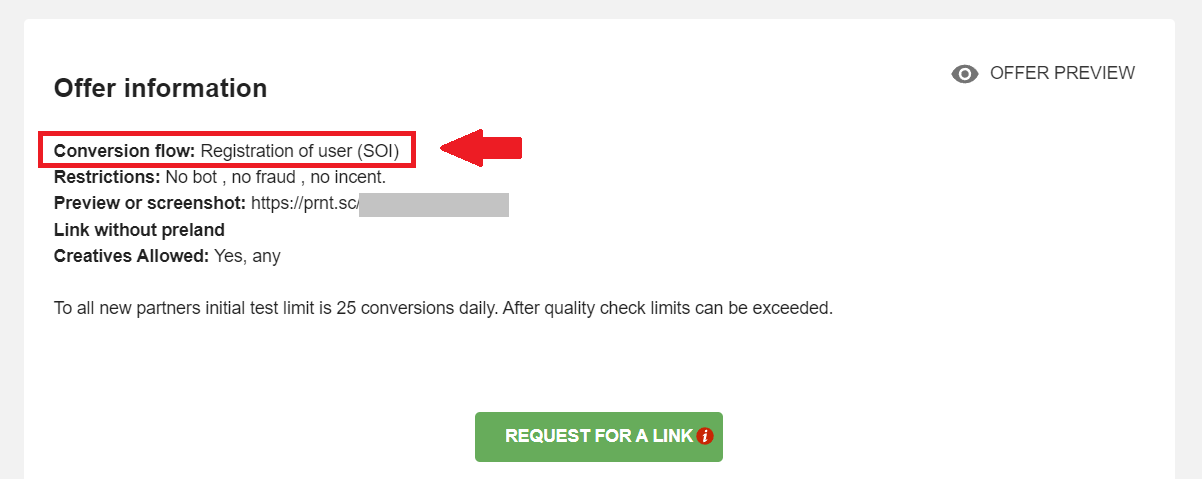
This is usually the first major conversion you'll track. A registration occurs when a user successfully creates an account on your iGaming site, typically by providing an email and creating a password.
- What it is: A visitor becomes a registered user or lead.
- Why it matters: This is the first step in building a relationship with a potential player. You now have a direct way to communicate with them (e.g., via email) and can guide them toward the next step.
In the world of affiliate marketing, this is often the primary conversion goal for certain offers.
2. First-Time Deposit (FTD)
This is arguably the most critical conversion in iGaming. An FTD happens when a registered player makes their first real-money deposit into their account.
- What it is: A registered user becomes a paying customer.
- Why it matters: This is the point where your marketing efforts start to generate direct revenue. For most iGaming operators and affiliates, the FTD is the "main event" and the ultimate measure of a campaign's success. It signals high user quality and intent.
3. Bet / Wager
This conversion is the action of a player placing a bet on a sports event or making a wager on a casino game (like spinning a slot machine).
- What it is: A user actively engages with the core product.
- Why it matters: This demonstrates active participation. A campaign's goal might not just be to get sign-ups, but to encourage players to start betting. Tracking this shows that you're attracting users who are genuinely interested in playing.
4. Re-deposit / Resell
This occurs when an existing player who has already deposited once adds more funds to their account.
- What it is: A paying customer becomes a repeat customer.
- Why it matters: This conversion is all about retention and Lifetime Value (LTV), which we'll cover in a future module. A business that can consistently get players to re-deposit is far more profitable and sustainable than one that only focuses on acquiring new FTDs.
Macro vs. Micro Conversions
It's also helpful to think about conversions in two categories: macro and micro.
-
Macro-conversions are the main goals of your campaign. In iGaming, these are typically the high-value actions we just discussed: Registration and, most importantly, FTD.
-
Micro-conversions are smaller, incremental actions a user takes that indicate they are moving towards a macro-conversion. They show interest and engagement, even if they aren't the final goal.
Examples of micro-conversions in iGaming could include:
- Adding a selection to a bet slip (even if the bet isn't placed).
- Playing a "demo" version of a slot game.
- Signing up for a newsletter about betting tips.
- Visiting the "Promotions" page.
- Watching a tutorial video on how to play poker.
Tracking micro-conversions helps you understand the user journey and identify where people might be getting stuck before they reach the main goal. For example, if many users are adding bets to their slip but not completing the bet, there might be a problem in the final step of the process.
How to Boost Conversions on Your Sports Betting Platform
To see this in the context of a sports betting platform, have a look at this article. It focuses on boosting conversions, and by doing so, it provides great examples of the actions platforms want users to take.
Read the short section titled 'What is Conversion Rate Optimization (CRO)?'. Note how it explicitly defines conversions as actions like 'signing up or placing more bets'.
Test your understanding!
You are running a social media campaign for a new online casino. The goal of the campaign is to get new paying players. Your ad directs users to a special landing page where they can create an account and receive a welcome bonus on their first deposit.
- What is the main macro-conversion for this campaign?
- What is a micro-conversion that a user might complete on the way to that goal?
Show answer
- The main macro-conversion is a First-Time Deposit (FTD). While a sign-up is also a major goal, the ultimate objective specified is to get "new paying players," which is achieved upon the first deposit.
- A common micro-conversion would be the initial Registration / Sign-Up. Another could be clicking to read the terms and conditions of the welcome bonus. Both actions show strong intent to move toward the FTD.
Conclusion
Great work! You've now moved beyond simple clicks and can identify the actions that truly drive value for an iGaming business. Understanding what you want users to do is the first step toward building effective campaigns that guide them to that goal.
Key Takeaways:
- A conversion is the specific, valuable action you want a user to complete.
- The primary macro-conversions in iGaming are Registration, First-Time Deposit (FTD), and placing a Bet/Wager.
- The FTD is often considered the most important conversion as it marks the point where a user becomes a paying customer.
- Micro-conversions are smaller steps (like adding to a bet slip) that show a user is on the path to a macro-conversion.
Preview of the Next Lesson:
We've defined our key metrics: impressions, clicks, and conversions. Now, it's time to attach a cost to them. In the next lesson, we will explore two fundamental cost metrics: Cost-Per-Click (CPC) and Cost-Per-Acquisition (CPA). This will allow you to answer the crucial questions: "How much am I paying for each click?" and "How much does it cost me to get one new player?"