Welcome to the first lesson of your course on creating an artistic photo book. We'll begin by establishing a crucial foundation for all the work that follows: understanding what elevates a collection of photographs into a cohesive, artistic photo book. Throughout this course, your background in graphic design and fine arts will be a significant asset, as we'll be exploring how visual language, material choices, and conceptual structure come together.
This lesson directly addresses the first learning outcome: defining what distinguishes an artistic photo book from a simple photo album or a portfolio catalog. We will explore how intentionality, sequencing, design, and the physical nature of the book itself transform it into a distinct work of art.
From Collection to Cohesion: The Core Idea
At first glance, the distinction between a "book of photos" and a "photobook" might seem subtle. Both contain photographs, after all. However, the difference in intent and execution is profound. A photo album, for example, typically serves as a container for memories, often arranged chronologically. A professional portfolio or catalog showcases a range of work, but the images are often meant to be viewed as individual examples of skill.
An artistic photo book, in contrast, is conceived as a singular, unified work. Every element—from the selection and order of the images to the book's physical form—is deliberately chosen to create an experience that is greater than the sum of its parts.
Let's look at a visual comparison.
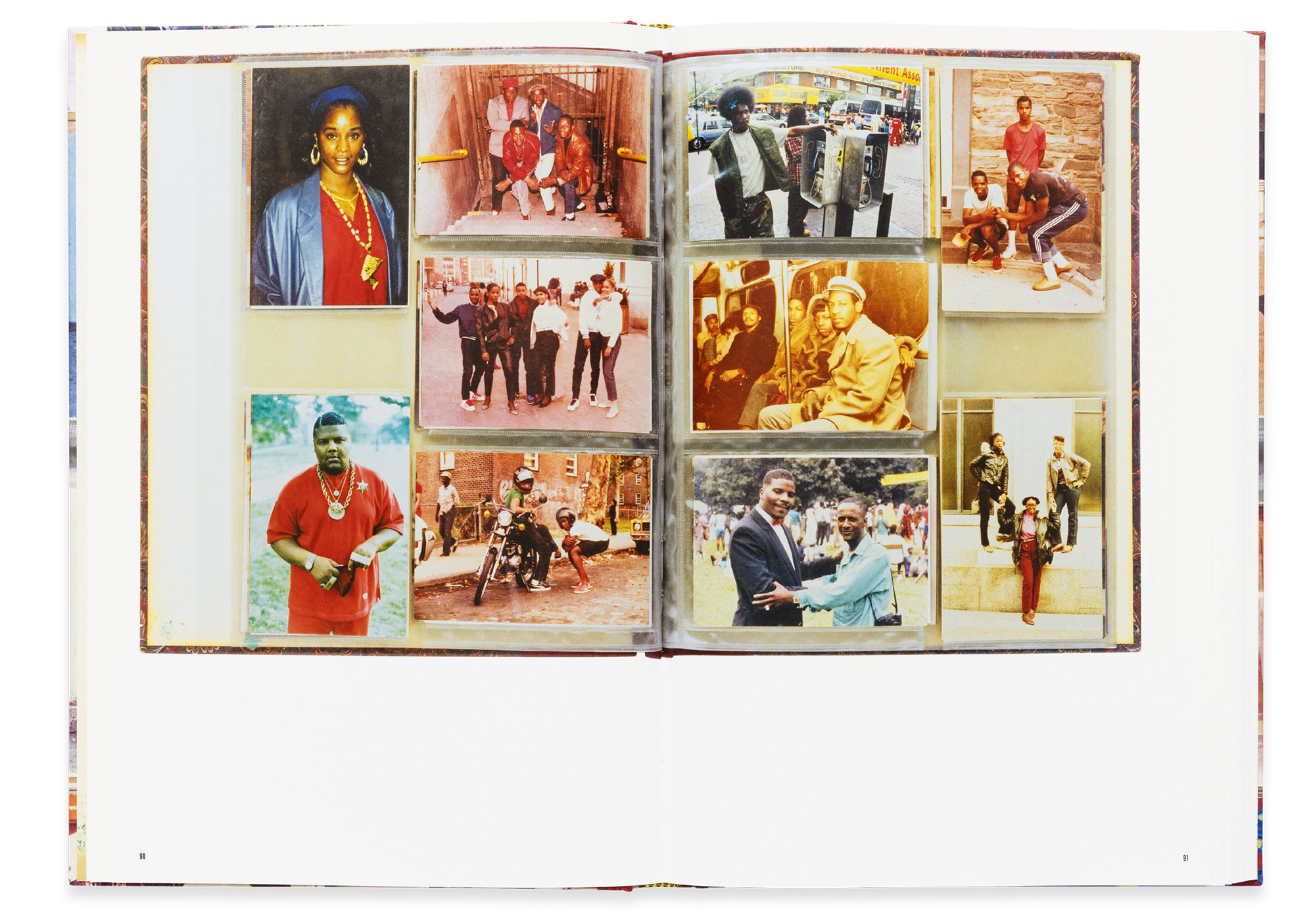

To formalize this distinction, let's turn to a short, insightful article by photographer Hans Hickerson.
Books of Photos or Photobooks? - Hans Hickerson
This article provides a concise and effective framework for understanding the fundamental difference we are discussing.
Please read the entire article. Pay close attention to the analogy the author uses, comparing a book of poems to a novel, and the distinction he makes between a containers and vessels. This is the central concept for our lesson.
Hickerson’s idea of a "vessel" is key. A photo album contains photos, but an artistic photo book is a vessel for a concept, a story, or an emotional journey. The book isn't just a delivery mechanism for the images; the book is the work.
The Anatomy of Intent: How a Photobook is Crafted
If a photobook is a unified art object, what are the specific decisions an artist makes to achieve that unity? This goes far beyond simply picking your "greatest hits." It involves a deep, often iterative, process of editing, sequencing, and design.
The following video by photographer Matt Day offers a candid look into this process. He begins by describing his own evolution from thinking of a book as a portfolio to understanding it as a complete art form.
Making a Photo Book | Sequencing & Choices
This video provides a practical, first-person account of the creative and curatorial choices involved in making a photo book.
First, watch the introduction from the beginning, where he discusses the "light bulb" moment of realizing the book itself is the art. Then, watch the main section from his discussion on process. As you watch, note the variety of deliberate choices he and his collaborator consider. These include: Editing: Removing strong individual photos that don't serve the larger story. Sequencing: How the flow of images creates rhythm and tells a story, much like tracks on an album. Layout: Using page turns, pairings, and margins to create tension or harmony. Text: Deciding how much information to give the viewer versus leaving room for interpretation. Physicality: Choosing between hardcover and softcover based on the desired durability and feel.
As you can see, every aspect of the book is a site for creative decision-making. Your expertise in graphic design gives you an intuitive understanding of how layout, typography, and form guide a user's experience. In a photobook, these skills are not just for presentation; they are integral to the conceptual and emotional core of the work.
The Book as an Experience: Physicality and Context
A photobook is not just an idea; it is a physical object. The experience of engaging with it is fundamentally different from viewing images on a screen or on a gallery wall. Its weight, the texture of its pages, and the intimate act of holding it and turning the pages are all part of its power.
Let's explore this idea further with insights from a panel of experts and a compelling essay.
The Photobook: A History | Tate Talks
In this clip from a Tate Talks panel, curators and photographers Martin Parr and Gerry Badger discuss the cultural significance of the photo book.
Watch the section from the introduction, where the photo book is described as the "supreme platform" for photographers. Then, listen to Martin Parr's comments from repositioning the book as an integral part of photographic history. Finally, skip to the discussion on the book's physicality, where it is described as an "antidote to the internet."
The panel highlights the photo book's central role in the art world and its unique tactile quality. The following article from Aperture magazine delves deeper into this sensory experience.
Why the “Photobook Phenomenon” Is More than Just a Fad
This essay beautifully articulates the shift in thinking towards the book as an object and the unique experience it offers. Given your background in fine arts and sculpture, the discussion of materiality will likely resonate.
First, read the introduction where the author describes his "epiphany" about the book as a complex container. Next, read the section comparing the experience of a book to an exhibition, noting the discussion of intimacy and physicality. Finally, read the author's personal account of his sensory relationship with books, which emphasizes the tactile and decelerated nature of the experience.
This emphasis on the book as a multi-sensory object is what distinguishes it from purely digital or exhibition-based forms of photography. It is an experience to be held, felt, and navigated page by page.
The Authorial Voice: "It's All Fiction"
Finally, we arrive at one of the most sophisticated distinctions. A photo album or catalog aims to document reality as it is. An artistic photo book, through the very act of selection, editing, and sequencing, constructs a new reality. It presents a subjective truth.
In the Tate Talks video, photographer John Gossage is quoted with a provocative and powerful statement.
The Photobook: A History | Tate Talks
Let's return to the Tate panel for a crucial conceptual point about narrative.
Please watch the segment from "personalization" and "fiction". Pay close attention to the discussion around the quote, "it's all fiction."
"It's all fiction" doesn't mean the photographs are fake or that the book is dishonest. It means that the artist is acting as an author, creating a specific narrative and point of view. They are not merely presenting facts; they are building a world for the viewer to enter. This is perhaps the ultimate purpose of the artistic photo book: to use a sequence of images within a physical object to convey a singular, authored vision.
Key Takeaways
- An artistic photo book is a vessel for an idea, not just a container for images. It is a unified art object where the whole is greater than the sum of its parts.
- This unity is achieved through a series of intentional decisions about editing, sequencing, layout, typography, and the book's material qualities.
- The physicality and intimacy of the book are central to its form, offering a tactile, sensory experience distinct from viewing images on a screen or wall.
- By selecting and arranging images, the artist acts as an author, constructing a specific narrative or "fiction" that guides the viewer's experience.
In our next lesson, we will build upon this foundation by looking at some of the key historical milestones in the development of the photo book. We will analyze the work of pioneers who established the very principles we've discussed today, seeing how they turned the book into a powerful medium for artistic expression.