Introduction
In our last lesson, we focused on how to build and present evidence-based arguments to hold inauthentic actors accountable through platform reporting mechanisms. This was about managing your interactions with other people on the network. We now shift our focus from the network's inhabitants to the architecture of the network itself—the algorithms that govern what you see and who sees you.
This lesson addresses the learning outcome: Explain how algorithmic echo chambers reinforce beliefs and shape perceptions of norms within niche communities. We will deconstruct the feedback loops that power these chambers, differentiating between the role of the algorithm and your own active choices. Understanding this dynamic is fundamental, as it explains how online spaces can create distorted views of reality, making certain ideas, aesthetics, or behaviors seem far more common than they are. For you, operating in highly specific communities like alternative lifestyles and lingerie design, grasping this is key to both safeguarding your own perspective and ethically navigating the growth of your personal brand.
The Anatomy of an Echo Chamber
At its core, an echo chamber is a product of a powerful feedback loop. Social media platforms are designed as engagement-maximization systems. Your behavior provides the input data, which an algorithm uses to build a model of your preferences. This model then generates personalized recommendations designed to keep you engaged, completing the loop.
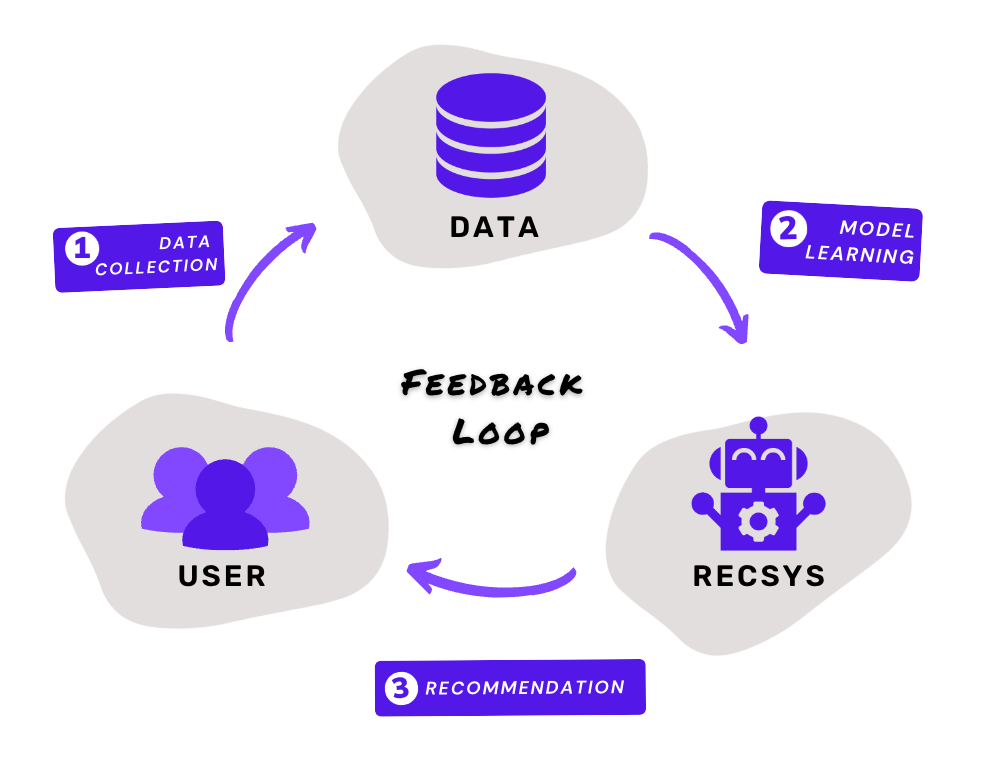
This algorithmic personalization creates what political activist Eli Pariser termed a "filter bubble." The platform's goal is to create a seamless, engaging experience for you, which often means showing you content it predicts you will like and hiding content it predicts you will not.
The following video from Sumsub provides a clear introduction to this concept and makes a critical distinction between a filter bubble and an echo chamber.
Filter Bubbles & Echo Chambers: How the Internet Affects Your Mind | Sumsub
This video, "Filter Bubbles & Echo Chambers," explains the origin of the term "filter bubble" and clarifies how our own actions are essential in creating the more powerful "echo chamber."
Please watch these two key segments: The filter bubble: This section explains how algorithms use personal data to create a unique, personalized universe of information for each user. The echo chamber: Pay close attention to this part. It argues that the echo chamber is primarily a psychological phenomenon driven by our own choices—who we follow, what we 'like', and who we block.
The video's crucial point is that we are not passive victims of the algorithm. An echo chamber forms when we actively participate in the filtering process. We voluntarily curate our feeds to reflect our views by following like-minded individuals, liking content that confirms our beliefs, and unfriending or blocking those who challenge them. The algorithm's filter bubble then takes these explicit signals and amplifies them, creating a powerful, self-reinforcing system where specific ideas are repeated and validated, while dissenting views are marginalized or disappear entirely.
The Majority Illusion: Distorted Perceptions in Networks
Even before an algorithm amplifies certain voices, the very structure of a social network can create powerful illusions about what is popular or "normal." This is known as the Majority Illusion.
From your background in statistics and network analysis, you'll appreciate that not all nodes in a network are created equal. Some individuals are far more connected than others. The Majority Illusion occurs when a small number of these highly connected individuals adopt a certain attribute or opinion. Because they are connected to so many people, this minority opinion can appear to be a majority from the local perspective of their many neighbors.

Let's apply this to your context. Imagine within the hotwife/cuckolding community on Twitter or Instagram, there are a handful of very popular creators with tens of thousands of followers each. If these few influencers start promoting a very specific ethical framework or lifestyle practice, it might seem to their many thousands of individual followers that "everyone" is talking about it or adopting it. This perception arises from the network structure itself, even if that practice is statistically rare in the community as a whole. The algorithm then sees the engagement around these posts and amplifies it further, hardening the illusion into a perceived norm.
The article "Social Network Illusion" by Kanishka Thakran provides a clear, mathematical walkthrough of this concept.
Social Network Illusion - by Kanishka Thakran - Medium
This article explains how network structure alone can distort our perception of social reality. It provides a simple but powerful explanation for why we might overestimate the prevalence of a belief or behavior.
Focus on the section titled "Majority Illusion". Note how the author uses simple network diagrams to show that even when "active" nodes are a minority, individual "inactive" nodes can observe a majority of their direct connections as active.
The Biased Arbiters: How Algorithms Shape Niche Norms
For creators in niche or stigmatized communities, the algorithmic feedback loop is not neutral. Algorithms are trained on vast datasets of human behavior and are built by engineers with their own inherent cultural biases. As a result, platforms develop a sense of "acceptable" or "normative" content, and they tend to penalize content that falls outside those bounds. This has profound consequences for how norms are formed and reinforced within your communities.
A groundbreaking academic study investigated this very issue by interviewing creators from marginalized identities and stigmatized genres, including boudoir photography, which is directly relevant to your work. Their findings reveal how algorithmic punishment and reward systems compel creators to change their behavior, thereby shaping the community's collective norms.
[PDF] Social media creators' experiences with algorithmic (in)visibility
This research paper offers a deep dive into how creators perceive and react to algorithmic governance. It provides the language and framework to understand how platforms discipline creators and shape what is considered "normal."
Please read the following two sections: Start with "Platform invisibility: Violations, shadowbans, and bias". This section categorizes the ways platforms make content invisible. Pay special attention to the discussion of bias, discrimination, and shadowbanning. The creators' belief that algorithms contain the biases of their creators is a key insight. Next, read "Creator visibility: Censorship, circumvention, and uneven rewards". This is the most critical part for our lesson. It details how creators respond to this algorithmic pressure. Focus on the concepts of self-censorship (suppression) and strategic workarounds (circumvention), including the use of "algospeak" like "S-E-G-G-S" for "sex."
The paper reveals a clear process:
- Algorithmic Punishment: Creators of "provocative" content (like your lingerie photos) or discussions of non-normative lifestyles (like polyandry) often experience reduced reach, content removal, or "shadowbanning" because their content is flagged by biased automated systems. One creator, a body positivity influencer, noted that bots measuring skin-to-clothing ratio inherently penalize larger bodies.
- Creator Adaptation: In response, creators adopt specific strategies. They self-censor, avoiding certain topics or toning down their photos. They also use circumvention tactics like "algospeak" (
Al Gore rhythmforalgorithm) to fly under the radar. - Norm Reinforcement: When many creators in a niche adopt these same adaptive behaviors, the collective discourse of the community changes. The "normal" way to post about lingerie design or polyamory becomes the algorithm-friendly way. The echo chamber doesn't just reflect pre-existing beliefs; it actively prunes and cultivates a specific, sanitized version of those beliefs, reinforcing a new norm that is palatable to the platform's automated arbiters.
This is the subtle, powerful mechanism by which an echo chamber shapes reality within a niche community. It’s not just about seeing what you like; it’s about a collective, algorithm-driven pressure that reshapes the entire conversation.
Conclusion
In this lesson, we have dissected the mechanics of algorithmic echo chambers and their role in shaping perceptions within niche communities. You are now better equipped to recognize how these systems function and influence your digital environment.
Key Takeaways:
- Echo chambers are a collaboration: They arise from the interplay between algorithmic filter bubbles (what the platform shows you) and your own user choices (who you follow, what you engage with).
- The feedback loop is the engine: The cycle of your actions generating data that trains an algorithm to give you more of what you engage with is the fundamental driver.
- Network structure creates illusions: Phenomena like the Majority Illusion can skew your perception of what is "normal" or popular even before an algorithm gets involved.
- Algorithms are biased governors: Platforms penalize content deemed non-normative, which disproportionately affects creators in niche or stigmatized fields like yours.
- Adaptation reinforces norms: When creators collectively self-censor or use circumvention tactics to avoid algorithmic punishment, they are actively participating in reshaping their community's norms to be more platform-friendly.
In our next lesson, we will explore the psychological consequences of being immersed in these algorithmically curated worlds. We will define and discuss the hypernormalization of extreme emotions, examining how the constant, amplified exposure to intense feelings within echo chambers desensitizes us and distorts our emotional baseline.