In our previous lesson, we conducted a vital assessment of your personal vulnerabilities, recognizing how your public visibility, provocative content, and niche community participation create a unique risk profile. Acknowledging these risks is the first step. Today, we pivot from a defensive posture to a proactive one, addressing the other side of your goal: learning how to ethically and effectively grow your personal brand.
This lesson concludes our foundational module by focusing on a crucial, often-overlooked aspect of online presence: defining your ethical boundaries for engagement. Your objective is to develop a framework that allows you to promote your work—your lingerie designs and expertise—within alternative lifestyle communities without alienating the members or being perceived as an exploitative marketer. This is the key to building a sustainable and respected brand, not just a transient following.
The Foundational Choice: Community Member or Marketer?
Before posting a single image or comment with the intent to grow your brand, you face a fundamental choice in your approach. Are you a member contributing to a community, or a marketer using a community as a resource? The two mindsets lead to vastly different strategies and outcomes.

Consider the implications of this within your context. Posting a photo of a new bikini top you designed in a hotwife lifestyle forum can be interpreted in two ways:
- Traditional Marketing: A one-way, promotion-focused message. The post is an advertisement. The goal is to drive traffic and sales. The community is a channel.
- Community Marketing: A two-way, participation-driven interaction. The post is a contribution to the community's aesthetic and interests. The goal is to share something of value and engage in conversation. The community is the focus.
Ethical engagement lives entirely in the second paradigm. It’s not about abandoning your growth goals; it’s about achieving them by genuinely contributing to the collective, fostering belonging, and engaging in two-way interaction.
The Principles of Ethical Community Engagement
To build a strategy around this community-centric mindset, we need to understand the principles that separate authentic participation from subtle exploitation. The following article, "Embracing Ethical Engagement Over Self-Promotion," provides an excellent framework for this.
Embracing Ethical Engagement Over Self-Promotion in (Virtual ...
This article explores the tension between individual goals and community health online. It will help you develop a "we-centric" mindset and recognize how even well-intentioned promotion can become exploitative.
Please read the first major sections of the article to grasp these core concepts: Start with The Conflict Between Individualistic and Collective Approaches. Focus on the distinction between a "Me-Centric Mindset" and a "We-Centric Philosophy." Then, read the next section, Unintentional Exploitation of Virtual Communities. Pay close attention to the idea of the "self-promotion trap" and how a series of individual promotions can subtly drain a community's vitality.
As you read, reflect on this question: At what point does sharing your creative work (your designs) or your expertise (your relationship analysis) stop being a gift to the community and start becoming an act of "unintentional exploitation"? The answer often lies in reciprocity and relationality—concepts that should resonate with your background as a relationship analyzer.
Let's continue with the same article to explore this further.
Embracing Ethical Engagement Over Self-Promotion in (Virtual ...
This next reading focuses on the quality of your interactions, moving from transactional exchanges to building genuine relationships, and identifies specific unethical practices to avoid.
Please read the following two sections: Read The Lack of Reciprocity and Relationality in Online Interactions. The author's comparison to researchers entering Indigenous communities is powerful. This section emphasizes the importance of a two-way street. Next, review Unethical Marketing Practices in Virtual Communities. This section outlines the red flags of unethical behavior, such as misleading information and invasive tactics, and introduces the antidotes: transparency, respect, and adding value.
The core idea is that a healthy community, like a healthy relationship, is built on a foundation of give-and-take. An ethical engagement strategy is one where you consistently contribute more value to the community than you ask for in return.
From Niche to Persona: The Art of Authentic Connection
Knowing the principles is one thing; putting them into practice is another. The most effective—and ethical—way to grow is to shift your focus from building a niche social media account to cultivating a multi-dimensional personal brand. People don't form loyalties to a product feed; they form loyalties to a person they feel connected to.
The following video from creator Vanessa Lau is a masterclass in this distinction. She explains why "character building" is more sustainable and powerful than simply sticking to a niche.
Don't build a social media account. Build a personal brand instead.
This video explains how to build a lasting personal brand by showcasing your full self, rather than just your area of expertise. It's the key to making your content feel authentic and building a truly loyal audience.
Please watch the following segments carefully: The introduction explains the crucial difference between a social media account and a personal brand, and why the latter is essential for long-term growth and flexibility. From this segment, absorb the idea that in an age of AI, information is a commodity, but human connection and storytelling are rare and valuable. Watch the explanation of how showcasing your personality and values helps attract like-minded people, creating a more harmonious community for you and your followers. Finally, watch the practical examples from "character building", where she details how sharing her interests outside of work (fitness, family, beauty) adds dimension to her brand and deepens her connection with her audience.
The video's central lesson for you is this: you are not just a lingerie designer or a relationship analyst. You are a person with a background in statistics, a specific sense of humor, and a unique perspective shaped by your life experiences.
- Instead of: Only posting polished final photos of your designs.
- Consider: Sharing a story about a complex pattern you had to solve (connecting to your analytical skills), a funny fail during a photoshoot, or how a concept from game theory influenced a design choice.
This "character building" makes you relatable and trustworthy. When you do post a promotional link, it's received as a message from a valued community member, not an ad from a stranger.
Defining Your Practical Boundaries and Strategy
With this foundation, we can now define a set of practical boundaries for your brand, using a familiar concept as our guide.
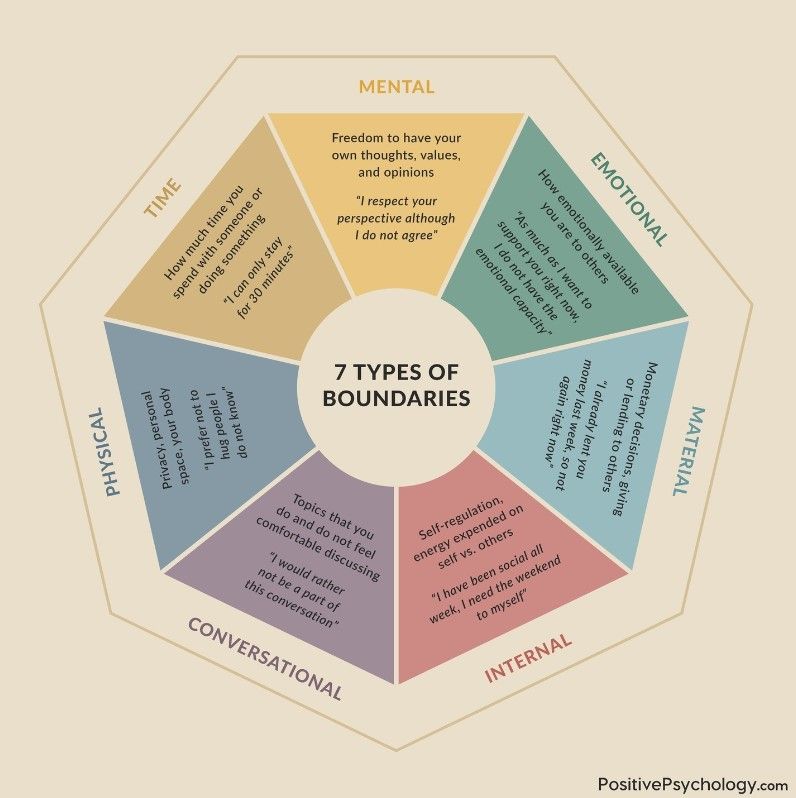
Let's translate these personal boundaries into a professional online context for your brand:
- Mental Boundaries: The freedom to hold your own brand values. You can respect a follower's negative feedback on a design while confidently stating that it aligns with your creative vision. Example script: "I appreciate your perspective, though I disagree. This piece is an expression of my vision for the brand."
- Time Boundaries: How much time you allocate to community participation versus direct promotion. A common guideline is the 80/20 rule: for every promotional post, you should have at least four non-promotional, value-adding interactions (e.g., commenting on others' posts, answering questions, sharing helpful resources).
- Emotional Boundaries: Deciding how much emotional energy you invest. It's okay to disengage from draining arguments or users who are not interacting in good faith. You don't owe anyone an endless debate.
- Conversational Boundaries: Defining what is open for discussion and what is private. You can be open about your lifestyle philosophy and design work while keeping the specific details of your personal relationships off-limits. Example script: "I'm happy to discuss the principles of polyamory that influence my work, but the specifics of my own relationships are private."
To operationalize this, let's look at some tactical advice tailored for creators in spaces adjacent to adult content.
The Ultimate Guide to Adult Content Marketing & Content Creation
This guide offers direct, practical advice for creators in stigmatized niches. We'll focus on the sections about building an audience and maintaining ethical standards.
Please read the following two parts: First, read the section Finding Your Niche & Building a Loyal Audience. Pay special attention to the subsections "Engage Like a Real Human" and "Publish with Purpose." Then, read the section on Ethical Considerations & Compliance. This part outlines the non-negotiable "hard" boundaries of your work, such as consent and adherence to platform rules.
This brings us to a final, actionable checklist for ethical engagement, drawing from the "Strategies for Ethical Self-Promotion" in the first article we reviewed. This is your go-to framework:
- Build Trust Through Participation: Immerse yourself in the community first. Comment, support, and add value long before you post your own promotional content.
- Share as Part of a Dialogue: Frame your posts as contributions to an ongoing conversation, not as interruptions. Ask questions and tell stories.
- Engage Reciprocally: When you post, stick around. Respond to comments. Acknowledge feedback. Make it a two-way street.
- Add Value Beyond Promotion: Offer your expertise freely. If someone asks a question about relationship dynamics you can answer, do so without plugging your services. This builds immense goodwill.
- Check Your Intent: Before you post, ask yourself: "Is this primarily for me, or is it for the community?" Be honest. If the goal is purely self-promotion, consider if this is the right time or place, or how you can reframe it to be more valuable to others.
Conclusion
Defining ethical boundaries is not about limiting your growth; it's about making it sustainable. By shifting from a "me-centric" marketer to a "we-centric" community contributor, you build the trust and loyalty that algorithms can't replicate.
Here are the key takeaways:
- Embrace a Community Mindset: Prioritize two-way interaction, participation, and fostering a sense of belonging over one-way promotion.
- Practice Reciprocity: Ensure you are giving more value to the community than you are taking. This is the cornerstone of trust.
- Build a Multi-Dimensional Persona: Share facets of your personality and interests beyond your core "product." This is what creates genuine, lasting connections.
- Establish Clear Boundaries: Use the concepts of mental, time, and conversational boundaries to manage your energy and interactions professionally.
- Adhere to Non-Negotiable Ethics: Always prioritize consent, transparency, and the terms of service of the platforms you use.
You have now completed the foundational module of this course, establishing an understanding of social media dynamics, your personal vulnerabilities, and a framework for ethical growth.
In our next lesson, we will begin Module 2, "Digital Identity and Operational Security." Having established the "soft" boundaries of ethical engagement, we will now start building the "hard" walls of technical security. Our first topic will be doxing, where we will dissect how attackers find and weaponize personal information, and how you can begin to systematically protect your digital and physical safety.