Introduction
In our previous lessons, we built a comprehensive toolkit for evaluating client outcomes immediately following an engagement. We explored Key Driver Analysis to diagnose service strengths, and we harnessed the Net Promoter Score (NPS) to gauge client loyalty. Now, we shift our focus from the immediate aftermath to the enduring impact of your work. This lesson addresses the final outcome in this module: Develop a protocol for post-engagement check-ins to gather long-term outcome data.
Your goal is to build a practice grounded in evidence, and the truest measure of coaching success lies in the sustainability of the changes it fosters. A happy client at the end of a contract is a good start, but a client who is still thriving six or twelve months later is the ultimate testament to your effectiveness. This lesson will provide you with a systematic framework for collecting this crucial long-term data, transforming your practice from one that simply delivers a service to one that measures and understands its lasting value.
From Snapshot to Narrative: The Value of Longitudinal Data
Your post-engagement satisfaction survey and NPS calculation provide a valuable cross-sectional snapshot: a view of client sentiment at a single point in time. To measure sustainable change, however, you need to think like a researcher designing a long-term study. You need to collect longitudinal data, observing the same individuals at multiple points over an extended period.
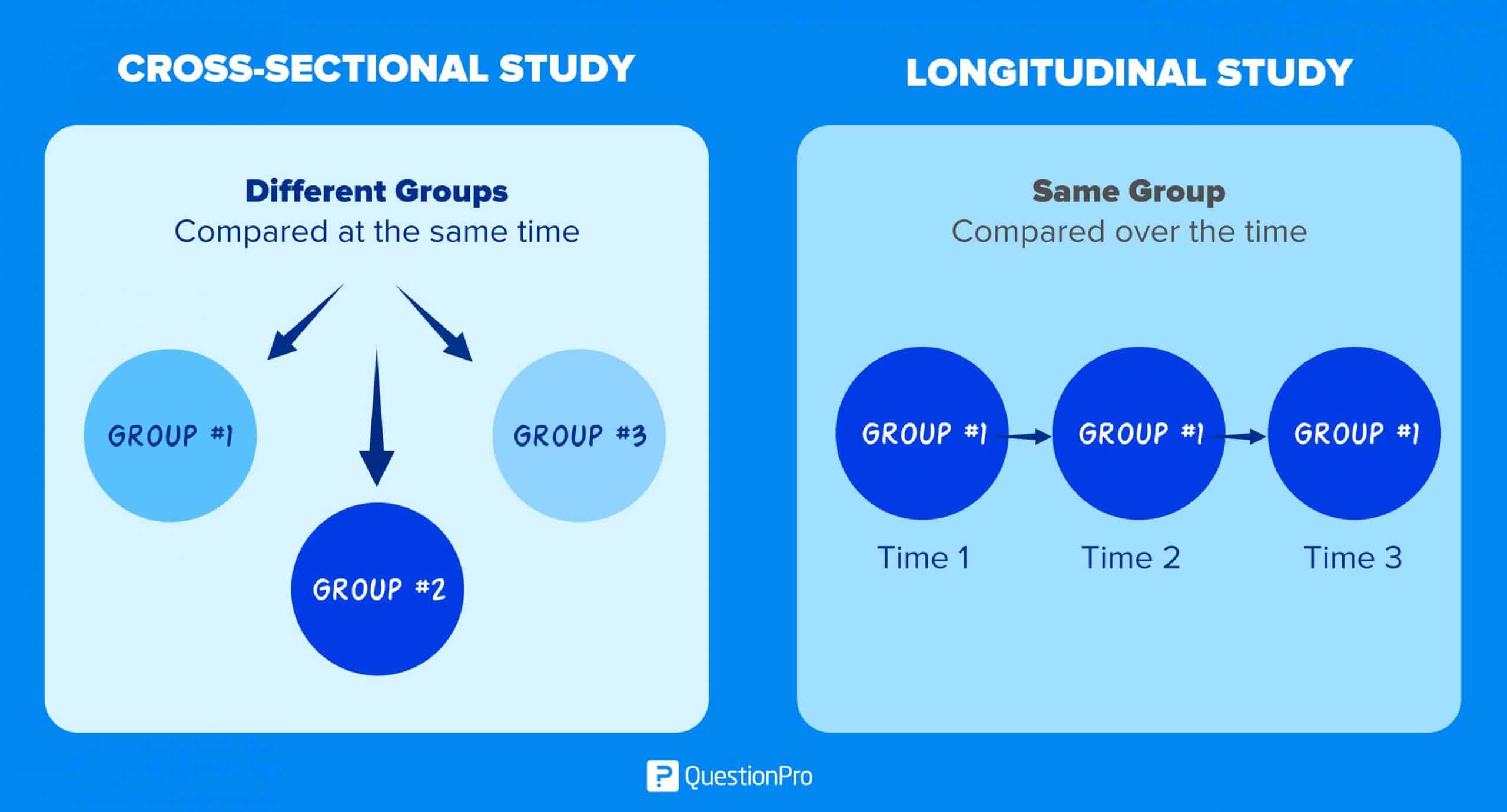
Collecting data over time allows you to answer critical questions about the impact of your work:
- Do the positive changes endure?
- Do clients revert to old patterns?
- Do new, unanticipated benefits emerge long after the coaching has ended?
This concept is central to truly measuring coaching effectiveness. The article "How to Measure Success in Coaching" provides an excellent overview of this challenge.
How to Measure Success in Coaching: Concepts, Methods and ...
This article frames the core challenge of measuring long-term impact and introduces key concepts you'll need to consider when designing your protocol.
First, read the section Sustainable Changes and Long-Term Impact. This will ground you in the rationale behind longitudinal assessment. Note the concept of a "delayed impact." Next, review the list of challenges. Given your background in experimental design, you will recognize these as familiar issues like subjectivity, confounding variables ("Isolating the Impact of Coaching"), and the "Time-Lag Effect."
Your statistical training provides you with the unique ability to appreciate and navigate these challenges. While you may not be able to create the perfectly controlled conditions of a laboratory experiment, you can design a protocol that is systematic, rigorous, and provides far more insight than the ad-hoc follow-ups most coaches rely on.
Designing the Check-in Protocol: What, When, and How
A robust check-in protocol requires a clear plan for what you will measure, when you will measure it, and how you will collect the data.
What to Measure: The Follow-Up Instrument
The goal of a check-in is not to re-administer your entire intake questionnaire. The instrument must be brief and focused to maximize the response rate. A well-designed check-in survey should include a mix of quantitative and qualitative questions.
Quantitative Measures (The "Hard Data"):
- Goal Attainment: Re-administer a key question about progress towards the primary goals defined at the start of the engagement. This creates a valuable pre-test, post-test, and follow-up data series.
- Example: "On a scale of 1 (Not at all) to 10 (Completely), to what extent have you maintained the progress you made towards [Client's Primary Goal]?"
- Key Outcome Metric: Select one or two core items from your diagnostic instruments (Module 4) that capture the central theme of the engagement (e.g., relationship satisfaction, communication effectiveness). Tracking these provides a consistent metric across all clients.
Qualitative Measures (The "Story"):
- Lasting Impact: "What has been the most significant positive, lasting impact of our work together?"
- Challenges & Regression: "What, if any, have been the biggest challenges to maintaining your progress since we finished our work?"
- Emergent Outcomes: "Have you noticed any unexpected positive changes or outcomes that have appeared since our engagement ended?"
This combination provides you with both a measurable indicator of progress and the rich narrative context needed to understand it.
When to Check-in: The Cadence of Data Collection
The timing of your follow-ups is critical for capturing the dynamics of change. A single check-in is better than none, but a series of check-ins will yield a much richer dataset. A practical and effective schedule would be:
- 3 Months Post-Engagement: Captures the initial period of self-management and identifies any immediate challenges in sustaining momentum.
- 6 Months Post-Engagement: Assesses medium-term habit formation and integration.
- 12 Months Post-Engagement: Provides a strong indicator of true, long-term sustainable change.
This cadence balances the need for data with respect for the client's time and avoids survey fatigue.
How to Check-in: The Method of Contact
The primary method should be a concise online survey, as it is efficient for both you and the client. However, for a high-touch, premium consulting service, a brief personal call can be an invaluable supplement.
The goal of this call is not to restart the coaching, but to gather richer qualitative data. The approach discussed in the following video for monthly coaching calls can be adapted beautifully for a yearly check-in call.
How to Manage Online Coaching Clients Like a Pro (Onboarding, Retention & Communication)
This video for online coaches discusses the structure and purpose of monthly client calls. We will adapt this framework for an optional, high-value post-engagement check-in call.
Watch the segment from discussing coaching calls. The key idea to extract is the framing of the conversation around the client's original goals and the "actions and consequences" that influence their timeline. In your context, this translates to discussing the actions that have helped sustain their results and the consequences of slipping back into old patterns.
When you conduct a check-in call, you can use the client's survey responses as a starting point. For example: "I saw in your 6-month check-in that you felt you'd maintained progress on X but were finding Y more challenging. Can you tell me a bit more about what that's been like?"
A Protocol for Systematic Long-Term Tracking
Now, let's assemble these components into a formal, actionable protocol. To create a truly systematic process, we can borrow principles from implementation science, specifically from systems designed to track interventions over time. The Longitudinal Implementation Strategy Tracking System (LISTS) provides an excellent mental model for this.
While LISTS is a complex tool for research, its underlying logic—systematic data collection, analysis integration, and outcome assessment—is precisely what you need for your practice.
Longitudinal Implementation Strategy Tracking System
This resource describes a system for tracking strategies over time. We will adapt its procedural logic to build your protocol for tracking client outcomes.
First, read the section Why Use LISTS? to understand the benefits of a systematic tracking approach. Then, review the Recommended Procedures and the list of Necessary Data Elements. Don't worry about the specific jargon; focus on the structure of the process: defining what to track, setting a schedule, and logging the data.
Adapting this logic, here is a five-step protocol for your practice:
Step 1: Define Tracking Variables (At Engagement Closure)
At the conclusion of every client engagement, as part of your internal closing process, you will formally define the key variables for long-term tracking.
- Action: In your client file, create a "Longitudinal Tracking" section.
- Content: List the 1-2 quantitative outcome metrics and the primary client goal that will be the focus of the check-ins. This ensures consistency for that client over time.
Step 2: Schedule the Check-in Cadence
Immediately upon closing the engagement, schedule the follow-ups in your calendar or CRM.
- Action: Create three events/tasks for the client: "[Client Name] - 3 Month Check-in," "[Client Name] - 6 Month Check-in," and "[Client Name] - 12 Month Check-in."
- Content: The task should include a link to your standardized check-in survey template.
Step 3: Deploy the Instrument
When the scheduled date arrives, execute the check-in.
- Action: Send a brief, personal email to the client.
- Content: "Hi [Client Name], Hope you're well. As part of my commitment to understanding the long-term impact of my work, I have a very brief (2-minute) follow-up survey. I would be very grateful if you could share your reflections. [Link to Survey]."
Step 4: Analyze and Triage for Follow-up
Review the submitted survey responses promptly.
- Action: Analyze the quantitative and qualitative data.
- Triage Rule: If a client reports a significant decline in goal maintenance (e.g., a score below 5/10) or expresses significant new challenges, flag them for an optional, complimentary 15-minute follow-up call to better understand the situation. This adds immense value and shows ongoing commitment.
Step 5: Log the Data
This is the most critical step for building a self-improving practice.
- Action: Transcribe the quantitative scores and a summary of the qualitative feedback into a centralized tracking system for that client.
- Purpose: This creates a time-series dataset for each client, allowing you to analyze trends, successes, and points of failure not just for one client, but eventually, across your entire client base.
This structured protocol elevates your practice from simply having good intentions to having a data-driven system for understanding long-term value.

Conclusion
In this lesson, we have designed a complete protocol for gathering long-term outcome data. By moving beyond immediate post-engagement feedback, you are building a system to measure what truly matters: sustainable, positive change for your clients.
Key Takeaways:
- Long-term client success is measured with longitudinal data, tracking the same individuals over time.
- A well-designed check-in protocol has a clear cadence (e.g., 3, 6, 12 months) and uses a concise instrument with both quantitative and qualitative questions.
- Borrowing principles from research systems like LISTS, your protocol should involve defining tracking variables, scheduling check-ins, deploying the instrument, triaging responses, and systematically logging all data.
- This process provides invaluable data on the lasting impact of your work, forming the bedrock of an evidence-based and continuously improving consulting practice.
This lesson concludes Module 9 and our deep dive into outcome evaluation. You now have a multi-layered framework for measuring client satisfaction, loyalty, and long-term success. With this final stream of data defined, we are ready to build the central repository for all your client information. Our next module, "Building a Self-Improving Practice," begins with designing the schema for your case tracking database, where intake, progress, satisfaction, and long-term outcome data will all come together to provide a holistic view of your practice's performance.