Introduction
Welcome to the final lesson of Module 6. Over the past few lessons, we have systematically constructed the entire architecture of a client engagement. You've synthesized diagnostic data, designed a session-by-session plan with built-in contingencies, and, most recently, defined the very Key Performance Indicators (KPIs) that will allow you and your client to measure progress objectively. The blueprints are complete.
This lesson focuses on the critical moment of transition: moving from architect to co-builder. Our learning outcome is to present the engagement plan to the client and collaboratively negotiate adjustments. This is not a sales pitch; the "sale" happened in your earlier conversations. This is a strategic alignment session where you transform a document into a shared mission, solidifying your role as a peer and trusted advisor. For your data-driven practice, this is the moment you secure client buy-in not just for the goals, but for the rigorous, evidence-based process you will use to achieve them.
1. The Mindset: From Negotiation to Collaborative Alignment
In fields like econometrics and game theory, "negotiation" can imply a competitive, zero-sum scenario. For consulting, a more productive model is a cooperative game where the goal is to find a Pareto optimal solution—an outcome where no party can be made better off without making another worse off. Your objective is to maximize the joint utility of the engagement, which is achieved through client success.
Therefore, we will reframe "negotiation" as "collaborative alignment." This is not about winning points; it's about building clarity, trust, and a shared understanding that will be the foundation of the entire engagement.
To explore this mindset, let's examine the strategic benefits of this approach.
The Consultant's Guide to Advanced Negotiation Tactics
This guide from Melisa Liberman reframes negotiation from a confrontational event to a trust-building process. We'll focus on the benefits and the mental positioning required.
First, read the introduction and the five benefits of negotiating listed under "What are the benefits?". Pay particular attention to how negotiation establishes a peer relationship and increases trust. Next, jump to tactic #8, "Align your thoughts about the process." This section provides concrete examples of how to shift your internal monologue from one of pressure to one of collaboration and alignment. This mental preparation is the most critical first step.
By adopting this mindset, you shift the dynamic from "Here is my plan, take it or leave it" to "Here is the plan we've co-designed based on our conversations; let's refine it together to ensure it's the perfect fit for you."
2. Structuring the Plan Presentation Session
Presenting the engagement plan should be a live, structured conversation, not an email attachment. This session is the formal ratification of the verbal agreements you've already secured. The document itself serves as a confirmation tool.

A well-structured proposal focuses on the client's world: their problems, their goals, and their return on investment. The following reading provides an excellent template and set of principles for creating and presenting your plan.
Consulting Proposal Template and Tips For Winning More ...
This article from Consulting Success provides a battle-tested template and invaluable strategic advice for crafting and presenting proposals that get signed.
First, read the section "A Consulting Proposal is Not What You Think." This reinforces the core idea that the plan is a confirmation tool, not a sales tool. Next, review the structure provided in "The Template Used By Top Consulting Firm Owners." Pay close attention to the flow: it starts with their Goals, moves to Success Metrics (your KPIs), and quantifies the Return on Investment before detailing the Options and Responsibilities. This is the narrative structure you will follow in your presentation. Finally, read the strategies under "Preparing, Writing, & Presenting Consulting Proposals." The advice to "Focus On The Buyer" and "Show What They’ll Get, Not What You’ll Do" is particularly relevant for your presentation.
Based on this, here is a recommended flow for your presentation session:
- Set the Stage: Begin by reiterating the meeting's purpose. "The goal of our session today is to walk through the engagement plan that we've built based on our previous conversations. I want to make sure it perfectly captures your goals and that the path forward feels right for both of you. We'll then make any adjustments needed to finalize it together."
- Anchor in Their "Why": Start by presenting the Goals and Success Metrics sections of your plan. This immediately grounds the discussion in what matters most to them. "Let's start by confirming the primary outcomes we're aiming for..."
- Present the "How": Walk through the session-by-session architecture. Explain the logic. "To achieve these goals, here is the sequence of modules we've designed..."
- Introduce Adaptability (The "What If"): Explain the built-in decision points and contingency plans. "The plan is a roadmap, not a rigid script. At these key points, we'll use the data we're tracking to decide which path is best." This showcases your strategic foresight.
- Explain the Measurement Framework (The "How We'll Know"): Present the KPIs you defined in the last lesson. Frame them as a shared tool for objectivity. "To ensure we're making tangible progress, we will track these key indicators together. This isn't about passing a test; it's about having an objective compass to guide our work."
- Define the Partnership (The "Our Roles"): Clearly outline the Responsibilities for both you and the client. This is crucial for managing expectations and preventing future scope creep.
- Offer Choice (The "Options"): Present 2-3 tiered options as suggested in the resources. This is a powerful negotiation strategy that gives the client control. For example:
- Option 1 (Core): The primary engagement plan.
- Option 2 (Enhanced): The core plan plus a more intensive data-tracking protocol with bi-weekly dashboard reviews.
- Option 3 (Comprehensive): The enhanced plan plus on-demand text/voice support for real-time issues.
This structure anchors value and allows negotiation on scope rather than just price.
3. Handling Objections and Negotiating Adjustments
Objections are not rejections; they are requests for more information or collaboration. When a client raises a concern, it's an opportunity to refine the plan and increase their buy-in. A structured approach is essential.
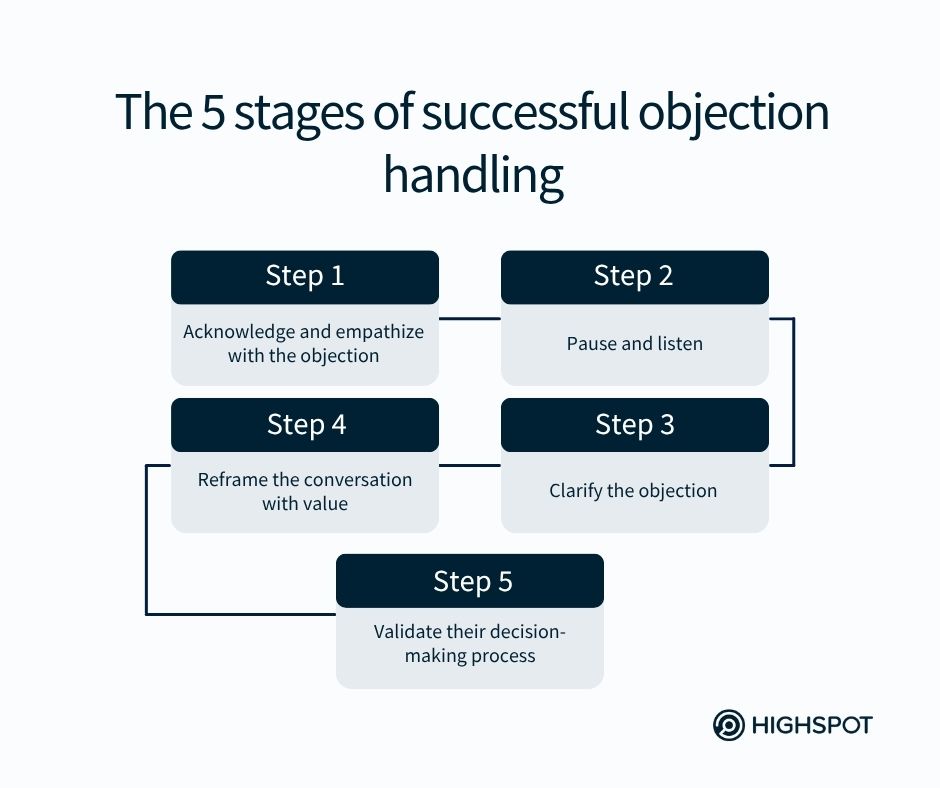
Let's break down this process with some practical micro-skills, drawing from negotiation expert Tim Ferriss.
How to Negotiate Like a Pro — My Strategies for Dealmaking
In this short video, Tim Ferriss shares several powerful, actionable negotiation tactics.
Watch these two key segments: From the first offer to the pause, he discusses letting the other party speak first, and the power of the "flinch" — which for our purposes is a thoughtful pause. The ability to sit in silence is your most potent tool after a client raises an objection. Next, from "is that the best you can do?", notice how a simple, non-confrontational question can prompt the other party to elaborate or self-correct. Also, focus on the crucial idea of drilling into the needs behind their requests.
Here is how you can integrate the 5-step model with these tactics:
Client Objection: "This plan looks great, but tracking these KPIs every week seems like a lot of extra work."
- Acknowledge and Empathize: "I hear you. It's important that this process supports you, not adds another burden to your schedule."
- Pause and Listen: After acknowledging, simply pause. Be quiet for 5-10 seconds. This is the "flinch" Ferriss mentions. The client will often elaborate unprompted, giving you more information about the root of their concern. ("...it's just that my evenings are already so packed.")
- Clarify the Objection: If they don't elaborate, ask a clarifying question to understand the need behind the request. "Could you tell me a bit more about what part of the tracking feels most burdensome? Is it the time it takes, the tool itself, or something else?"
- Reframe with Value: Connect the task back to their goal. "That's a very fair point. The reason for this weekly check-in is to give us the earliest possible signal if our strategy is working, so we can quickly pivot and not waste time on an approach that isn't getting you closer to [reiterate their core goal]. Given your time constraints, what if we designed a more streamlined '2-minute check-in' via a simple form? Or would a 5-minute voice note be easier?"
- Validate the Decision-Making Process: End by confirming the new agreement and validating their input. "Excellent. Let's go with the 2-minute form. It's smart to optimize this now. This makes the plan stronger."
By following this process, you transform an objection about workload into a co-created, more efficient data collection protocol, strengthening the client's ownership of the plan.
4. Finalizing the Agreement
Once all adjustments are collaboratively made and you have a clear verbal "yes" on the final version of the plan, the hard part is over.
- Formalize: Update the engagement plan document with the agreed-upon changes.
- Sign: Send the final document for signature using a digital service to make it seamless.
- Schedule: Do not end the presentation session without scheduling the first official coaching session. Say, "Great, now that we have our plan finalized, let's get our first session on the calendar. How does next Tuesday at 4 PM work for you?" This creates momentum and signals the immediate start of the work.
Remember the advice from the LINK resource: don't send proposals to unqualified leads and always schedule the follow-up. In this case, you've already qualified them; the follow-up is now Session 1.
Conclusion
Today's lesson bridged the gap between planning and execution. You've learned how to present a comprehensive engagement plan not as a rigid directive, but as a collaborative blueprint for success, transforming the negotiation process into an act of building trust and alignment.
Key Takeaways:
- Mindset is Key: Approach the presentation as a collaborative alignment session, not an adversarial negotiation. Your goal is a win-win outcome built on trust.
- Structure the Narrative: Present the plan by anchoring it in the client's goals and desired outcomes. The plan is the how that serves their why.
- Empower with Options: Offering tiered choices gives clients a sense of control and frames negotiation around scope and value, not just price.
- Systematize Objection Handling: Use the five-step model (Acknowledge, Pause, Clarify, Reframe, Validate) to turn objections into opportunities to strengthen the plan and deepen client buy-in.
- The Plan is a Confirmation Tool: The "selling" is done before you present. This session is about refining the details and formalizing a shared commitment.
With a signed engagement plan, you have officially launched the coaching journey. You have a clear roadmap, agreed-upon success metrics, and a client who is a partner in the process. Your next step is to begin the work itself. In our next lesson, we will move into Module 7 and focus on the core of your practice: how to facilitate coaching sessions using a consistent open-explore-close framework.