Hello! Welcome back to your personalized course, RHOBH: Interpersonal and Gender Politics.
Introduction
Approximate time to complete: 60 minutes
In our first lesson, we established the foundational concept that reality TV is not a passive reflection of life, but a "creative treatment of actuality." We identified that RHOBH, like a novel or film, is a constructed text. Today, we meet the constructors.
This lesson directly addresses the learning outcome: The Role of the Producer: Analyzing Story Editing and Narrative Manipulation in RHOBH. We will move from the what of construction to the how, pulling back the curtain to examine the specific tools and techniques used by producers and editors to shape the raw footage of the housewives' lives into the dramatic, coherent storylines we see on screen.
Understanding this process is essential. The alliances, the conflicts, and the power structures we aim to analyze are not just organic developments; they are products of a deliberate manufacturing process. By dissecting this process, you'll gain the critical vocabulary to identify producer influence and distinguish between authentic interaction and manipulated drama.
We will cover:
- The pre-production planning process, including the "show bible."
- On-set techniques producers use to guide conversations and instigate conflict.
- Post-production editing tricks, such as "frankenbiting" and the strategic use of reaction shots.
- How narrative control also involves removing content to protect certain storylines or cast members.
Let's look behind the camera.
1. The Architects of Story: The Producer's Role
The producer's job begins long before the cameras start rolling and continues right in the thick of the action. They are the architects and on-site foremen of the narrative, laying the foundation and directing the cast through the scenes of their own lives.
To understand this intricate process, we'll turn to an excellent article by Brian Moylan, a veteran reality TV journalist, who interviewed producers and crew to get an inside look.
- Reading (Approx. 10 mins):
Please read the selected sections from How produced are Real Housewives shows? Behind-the- ... by Brian Moylan. - Focus on:
- "Crafting Storylines" & "The Show Bible and Filming Logistics": Pay close attention to how a season is mapped out. Note the concept of the "show bible," a detailed document outlining each woman's anticipated story. As someone with a literature background, you can think of this as the initial plot outline for the season's "novel." Also, note the distinction between real-life arcs, emotional arcs, and entirely created storylines.
- "Beat Sheets and Guiding Conversations" & "Tent-Pole Events and Producer Involvement Levels": This is where you'll see direct manipulation. Focus on the use of "beat sheets" to guide topics, the examples of producers prompting cast members to voice their thoughts, and the crucial difference in intervention levels between production companies (e.g., RHOBH being more "hands-off" than RHOA).
This article reveals that while the show isn't "scripted" in the traditional sense, it is heavily structured. Producers create a narrative framework and then gently (or not-so-gently) nudge the cast to play their parts within it. The "hot-mic" example with Luann de Lesseps also demonstrates the crew's role as story hunters, always poised to capture drama, even during a break.
2. Instigating Conflict: The Darker Arts of Production
Moylan's article gives us the official, professional overview. Now let's look at a more clandestine, anecdotal account that details the more aggressive tactics producers can employ. The following resource is an anonymous letter published on a fan blog, claiming to be from a storywriter on RHOC and RHOBH. While we must approach it with a critical eye, its claims are highly specific and illustrate the more extreme end of narrative manipulation.
- Reading (Approx. 5 mins):
Please read the sections titled "Insider Account of Producer Manipulation" and "Producer Influence on Reunion Shows and Cast Dynamics" from Producer-Driven Scripted Drama and Bravo's 'Real .... - Focus on:
- The core tactic described: Producers feeding cast members curated, often inflammatory, information about each other off-camera to provoke on-camera reactions.
- The example of Vicki Gunvalson and Slade Smiley: This is a perfect case study of how a producer-fed "secret" can lead to a seemingly disproportionate on-camera explosion.
- The idea of a cast hierarchy, with certain members being "producer favorites" or designated "bitch" characters who are willing to do the producers' bidding (like Tamra Barney).
- The claim that producers orchestrated the "gang-up" on Lisa Vanderpump at a reunion, demonstrating direct, premeditated conflict creation.
These accounts suggest that producers sometimes act as double agents, building trust with individual cast members only to use the information gathered to manufacture drama within the group. It is the ultimate "unreliable narrator" scenario, but with the narrator being an invisible producer whispering in everyone's ear.
3. Sculpting the Narrative: The Editor's Toolbox
Once filming wraps, hundreds of hours of footage are sent to the editing bay. If the producer is the architect, the editor is the sculptor, chipping away at the raw material to create the final, dramatic form. This is where subtle moments are amplified, and entirely new meanings can be created.
The following short video is a fantastic, slightly satirical demonstration of the key tricks editors use to manufacture conflict where there might be none.

What to watch:
This video is short (under 5 minutes), so please watch it in its entirety. It visually explains several key techniques:
- Juxtaposition: Placing a neutral reaction shot after a dramatic statement to imply a causal link.
- Confessionals: Using interview segments to frame the narrative, build stakes, and tell the audience how to interpret an event.
- "Frankenbiting": This is a term you should remember. It refers to stitching together words and parts of sentences from different conversations to create a new, desired line of dialogue. The article Producer-Driven Scripted Drama and Bravo's 'Real ... also explicitly mentions this technique in the section "Detailed Explanation of Producer Tactics and Editing."
These tools give editors immense power. They can make someone appear stunned, angry, or guilty, not by showing what actually happened, but by cleverly assembling unrelated pieces of footage.
4. Control Through Omission: The Power of the Cutting Room Floor
Narrative manipulation isn't just about what is included; it's also about what is left out. Sometimes, the most significant act of production is deciding what the audience won't see. A recent claim by a Housewife from the New Jersey franchise, Jennifer Aydin, illustrates this perfectly.
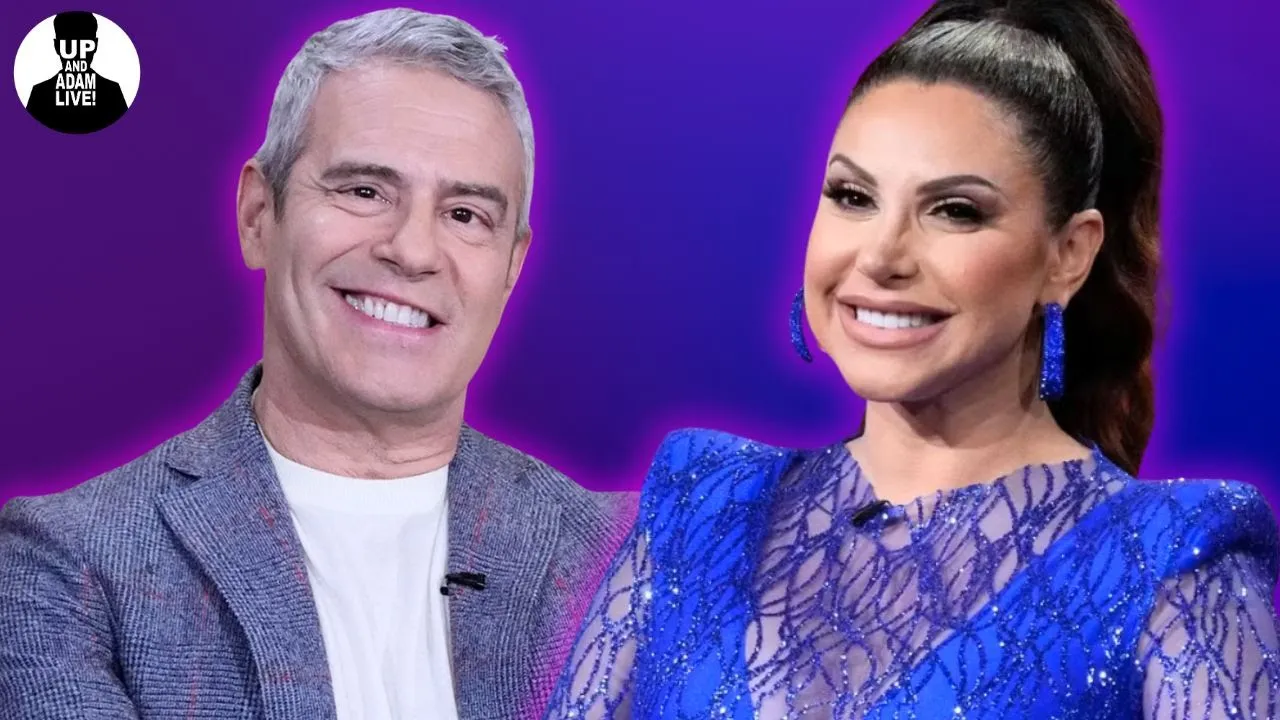
What to watch:
- Jennifer Aydin's Claims (3:25 - 5:22): Focus on the discussion of Aydin's allegation that producers cut up to 90% of her "sharp, hilarious reads," effectively censoring her and downsizing her presence on the show.
This introduces a new layer to our analysis. Why would producers remove good content?
- Narrative Hierarchy: It might be to protect a "producer favorite" who is on the receiving end of the witty insults.
- Character Consistency: It could be that Aydin's "reads" don't fit the specific character arc they have designed for her that season.
- Punishment: As the host speculates, it could be a way to punish a cast member for off-screen behavior, such as leaking stories to blogs, thereby reasserting production's control over the entire narrative ecosystem.
This demonstrates that the final cut is a battleground of competing interests, and the story we see is the one that best serves the producers' overarching goals for the season.
Conclusion
In this lesson, we have moved from the abstract idea of a "constructed narrative" to the concrete mechanics of its creation. We have seen that the drama in RHOBH is meticulously manufactured at every stage of production.
- Key Takeaways:
- Producers act as story architects, using tools like the "show bible" and "beat sheets" to plan and guide the narrative.
- They actively instigate conflict by feeding misinformation and prompting cast members to address issues on camera.
- Editors are narrative sculptors who use techniques like out-of-context reaction shots and "frankenbiting" to create drama in post-production.
- Narrative control is also exercised through omission, with producers cutting content to protect certain cast members, maintain character arcs, or punish uncooperative talent.
As you continue watching the show, you are now equipped to see the "invisible hand" of the producer and editor in every scene. When a housewife has a sudden, explosive reaction, ask yourself: what might a producer have told her off-camera just moments before? When a dramatic statement is followed by a perfectly timed gasp from another cast member, question whether that gasp happened in the same room, or even on the same day.
Preview of the Next Lesson:
Now that we understand how producers and editors manipulate the story, we can begin to analyze the results of that manipulation. In our next lesson, "Applying Narrative Theory to RHOBH: Identifying Protagonists, Antagonists, and Unreliable Narrators," we will use your literary background to identify the classic narrative roles that emerge from this production process. We'll explore how production deliberately casts certain women as heroes, villains, or narrators we can't quite trust, shaping our entire perception of the group's dynamics.