Introduction
Welcome back. In our previous lessons, we've taken a deep dive into the specific anatomy of the major back muscles—the latissimus dorsi, the three divisions of the trapezius, and the rhomboids. We established how to target them effectively by training them through their fully lengthened and shortened positions.
Now, we're going to zoom out. Instead of focusing on individual muscles, we'll analyze the two fundamental movement patterns used in back training. Your learning outcome for this lesson is to contrast the biomechanics of vertical pulling versus horizontal rowing and identify their primary muscle targets.
Understanding this distinction is the key to moving from simply doing "back exercises" to intelligently constructing a complete program that builds both the width and thickness of your back. This is where anatomy directly informs your program design.
1. The First Principle: Resistance Dictates Function
Before we compare rows and pulldowns, we need a universal tool to analyze any exercise. Given your background in engineering and algorithms, you'll appreciate this systematic, first-principles approach. The function of a muscle in an exercise is determined by the direction of force it must produce to overcome resistance.
To understand what muscles an exercise targets, we ask three questions:
- Direction of Resistance: In which direction is the weight/cable trying to pull the limb?
- Joint Action: What movement must my joints perform to counteract that resistance?
- Muscular Contraction: Which muscles are anatomically positioned to produce that joint action?
Let's watch a short video that explains this foundational concept.
Pull-Downs VS Rows - Which is Better? (Anatomy Explained)
Coach Ben Yanes provides a clear, principle-based framework for analyzing movement. Pay close attention to how he breaks down an exercise into 'direction of resistance' and the 'muscular contraction in opposition.'
Watch from the beginning (00:26) to 06:13. The first part establishes the concept of analyzing resistance. The second part applies this concept to various pulling angles, setting the stage for our analysis of vertical and horizontal pulls.
This analytical process—identifying the line of pull and the muscles that oppose it—is the key to everything that follows.
2. Vertical Pulling: The Biomechanics of "Width"
Vertical pulling encompasses any exercise where the resistance is being pulled down from an overhead or high position.
- Examples: Pull-ups, Chin-ups, Lat Pulldowns.
Primary Joint Action: Shoulder Adduction
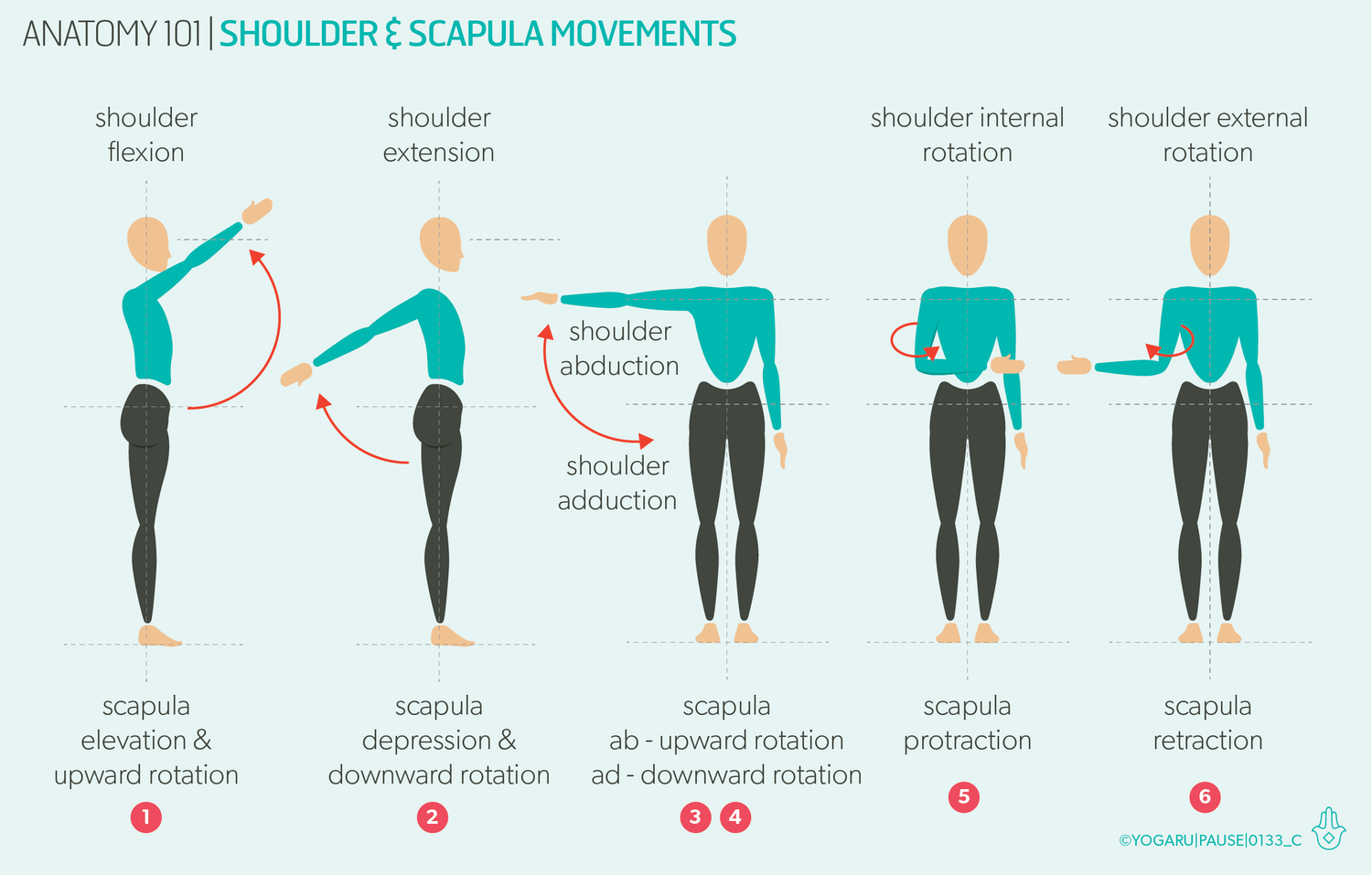
When you perform a wide-grip pulldown, the primary movement of your upper arm (humerus) is shoulder adduction. The resistance is trying to pull your arm up and away from your body (abduction), and your muscles must contract to pull it back down and in (adduction).
Primary Muscle Target: Latissimus Dorsi
The lats are the prime movers for shoulder adduction. Their fibers originate broadly across the lower/mid-spine and pelvis and insert on the front of the humerus. This anatomical arrangement makes them perfectly suited to pull the upper arm down towards the torso, creating the V-taper or "back width."
While other muscles like the teres major, lower trapezius, and rhomboids are involved as synergists and stabilizers, the lats are doing the heavy lifting to move the arm. This is why vertical pulling movements are considered the cornerstone of lat development.
3. Horizontal Pulling: The Biomechanics of "Thickness"
Horizontal pulling, or rowing, involves pulling a load from in front of the body towards the torso.
- Examples: Barbell Rows, Seated Cable Rows, Dumbbell Rows.
The biomechanics here are more complex and depend heavily on the path of your elbows. This is where many trainees miss the nuance. A row is not just a row; the way you perform it dictates its primary target.
To understand this, let's dive into a key resource.
Does Your Rowing Grip Actually Affect Back Development?
This article from Stronger By Science is one of the most thorough and well-referenced breakdowns of rowing biomechanics available. It will provide the scientific detail to precisely understand how different rows work.
Please read the following three sections carefully: Start with 'The Effect of Grip on Shoulder Joint Actions during Rows.' This explains how elbow position (close vs. flared) changes the primary joint action. Next, read 'How the Back Muscles are Affected by Shoulder Movement.' This maps the joint actions to their primary muscle targets (e.g., shoulder extension -> lats). Finally, read 'How the Back Muscles are Affected by Scapular Movement.' This explains the role of the trapezius and rhomboids in all rows.
Synthesizing the Details
Let's break down the key takeaways from that reading:
-
Scapular Retraction: This is the act of pinching your shoulder blades together. It is a fundamental component of all effective rows and is the primary driver of back thickness. The prime movers for scapular retraction are the middle trapezius and the rhomboids.
-
Shoulder Joint Action (The Variable): The movement at the shoulder joint changes based on your elbow path, which in turn changes the other primary muscle being targeted.
- Elbows Tucked (0-30° abduction): This creates a shoulder extension-dominant row. The prime movers for shoulder extension are the latissimus dorsi and teres major. So, a row with elbows tucked close to the body is a powerful lat-builder.
- Elbows Flared (60-90° abduction): This creates a shoulder horizontal extension-dominant row. The prime movers here are the posterior deltoids, infraspinatus, and teres minor. This is an "upper back" focused row.
A typical row with elbows at a 45° angle provides a balanced stimulus to both sets of muscles.
4. Direct Comparison: Vertical vs. Horizontal Pulls
Let's watch one more video to see these concepts applied with EMG data and practical examples, then we'll summarize everything in a table.
How To Train Back WIDTH vs THICKNESS (Close vs Wide Grip? Rows or Pullups?)
Jeff Nippard provides an excellent summary that connects the biomechanical principles we've discussed to the gym-floor language of 'width vs. thickness.'
Watch from 00:29 to 07:32. He discusses vertical pulls for width, then breaks down how different grips in horizontal rows can target either width (lats) or thickness (traps/rhomboids). His summary at the end is particularly useful.
Now, let's consolidate this into a clear, comparative table.
| Feature | Vertical Pulling (e.g., Lat Pulldown) | Horizontal Pulling (e.g., Row) |
|---|---|---|
| Direction of Pull | From overhead, vertically downwards | From in front, horizontally towards the torso |
| Primary Arm Action | Shoulder Adduction | Shoulder Extension (elbows tucked) and/or Shoulder Horizontal Extension (elbows flared) |
| Primary Scapular Action | Depression & Downward Rotation (stabilizing) | Retraction (prime movement) |
| Primary Muscle Targets | Latissimus Dorsi, Teres Major | Middle Trapezius, Rhomboids (from retraction) PLUS Lats (from extension) OR Posterior Delts/Rotator Cuff (from horizontal extension) |
| Common Gym Analogy | Builds "Back Width" (V-Taper) | Builds "Back Thickness" (muscular density in the mid/upper back) |
Coach's Corner: From Theory to Application
Your understanding of this contrast is what separates a novice from an expert coach. A complete back program must include both patterns.
- For Width: Prioritize vertical pulls like weighted pull-ups or medium-grip lat pulldowns.
- For Thickness: Prioritize horizontal rows. You can further refine your rows based on your goals:
- To make a row more lat-focused, use a closer grip (like a V-bar on a cable row) and focus on driving your elbows down and back towards your hips.
- To make a row more trap/rhomboid-focused, use a wider grip, flare your elbows to 45-60 degrees, and consciously focus on squeezing your shoulder blades together at the peak of the movement.
- Cueing is Key:
- For Vertical Pulls (Lat Focus): "Imagine pulling your elbows down into your back pockets."
- For Horizontal Rows (Thickness Focus): "Imagine you're trying to pinch a pencil between your shoulder blades."
This knowledge allows you to select the right tool for the job. If a client has a wide back but lacks density in the middle, you know to prioritize heavy, retraction-focused rows. If they have a thick mid-back but no V-taper, you know the priority is high-quality vertical pulling.
Conclusion
Today, you've moved from analyzing individual muscles to analyzing entire movement patterns. This higher-level, systems-based thinking is crucial for effective programming.
Key Takeaways:
- Vertical Pulls are defined by shoulder adduction and are the primary way to target the latissimus dorsi to build back width.
- Horizontal Pulls (Rows) are defined by scapular retraction, targeting the trapezius and rhomboids to build back thickness.
- The secondary muscle targeted in a row depends on elbow path: tucked elbows emphasize the lats via shoulder extension, while flared elbows emphasize the posterior delts and upper back via horizontal extension.
- A complete back program must include both vertical and horizontal pulling to develop all the musculature comprehensively.
Preview for the Next Lesson
One of the most common complaints in the gym is "I only feel my biceps when I train back." In our next lesson, we will address this head-on. We will identify common back training mistakes (like biceps-dominant pulling) and explain their anatomical causes, providing you with the tools to diagnose and correct these issues for yourself and future clients.