Hello! Having covered the three pillars of the 1991 reforms—Liberalisation, Privatisation, and Globalisation—we're now at a crucial point. Simply knowing what the reforms were isn't enough for your board exam; you need to be able to judge their effectiveness.
This lesson directly addresses that need by focusing on a critical evaluation of the outcomes of the LPG policies. We will weigh the successes against the failures, examining the impact of these reforms on India's economic growth, its key sectors like agriculture and industry, and on social welfare. Mastering this balanced perspective is essential for tackling the high-value analytical questions in your exam.
1. Arguments in Favour: The Positive Outcomes of Reforms
The most significant and widely cited success of the 1991 reforms was the acceleration of India's economic growth. After decades of relatively slow progress, the economy shifted to a higher growth trajectory.
To begin, let's look at a video that presents the key positive results of the reforms with supporting data.
Liberalisation, Privatisation & Globalisation | Economics Class12 NCERT | Animation
The video from SpeltOut uses clear animation and data points to highlight the major achievements of the post-reform period. This will give you a solid, evidence-based understanding of the successes.
Watch the section from Results of Reforms. Pay close attention to the figures mentioned for GDP growth, foreign investment, and foreign exchange reserves.
The key positive outcomes, as seen in the video and other sources, can be summarised as follows:
- Vibrant Economic Growth: The GDP growth rate, which was 5.6% during 1980-91, surged in the years following the reforms, even crossing 8% in the mid-2000s. The service sector, in particular, saw rapid growth.
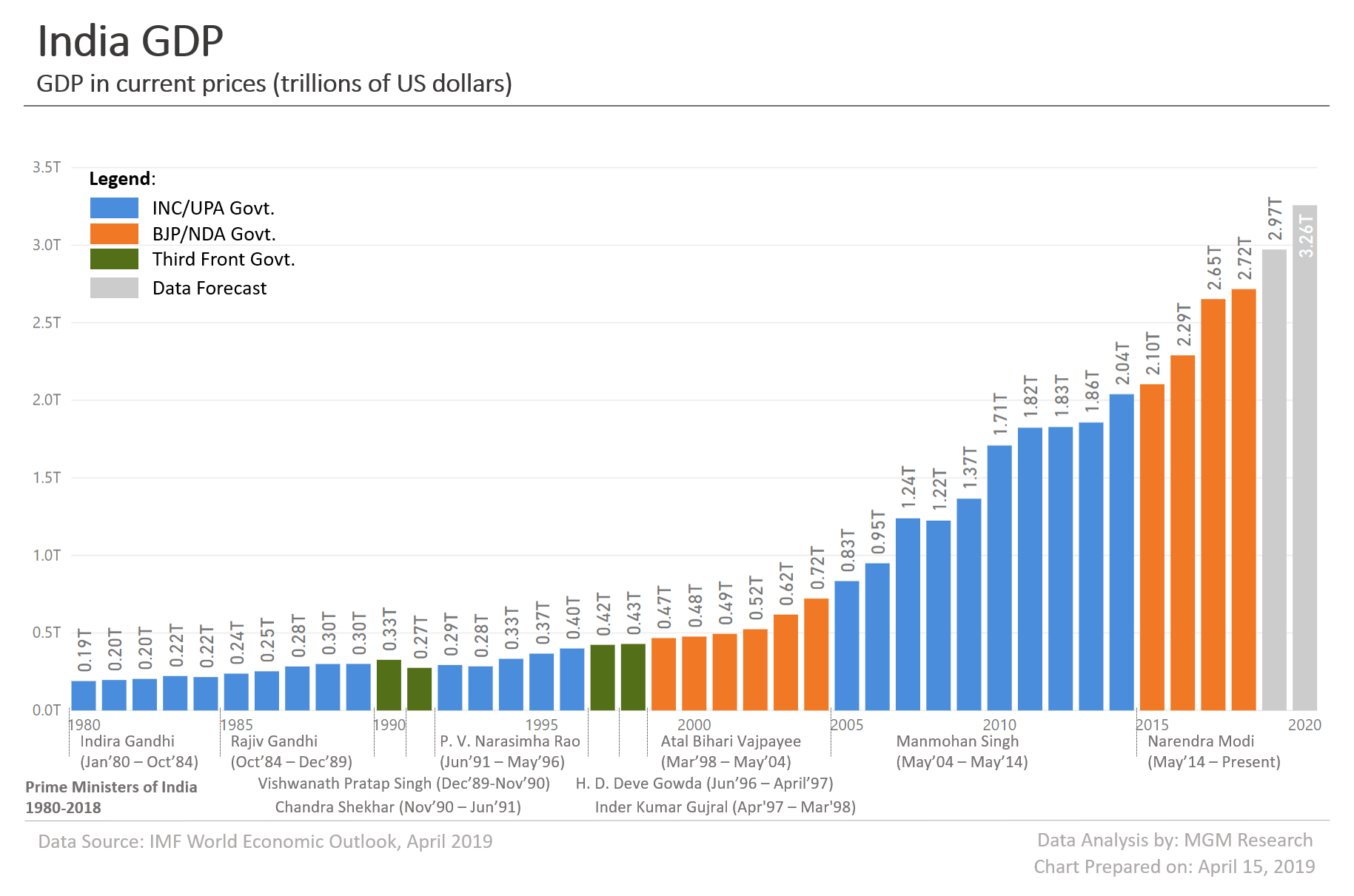

- Increased Foreign Investment: Liberalisation and globalisation opened the doors for a massive inflow of foreign capital. Foreign Direct Investment (FDI) and Foreign Institutional Investment (FII) grew from about US $100 million in 1990-91 to US $30 billion by 2017-18.
- Rise in Foreign Exchange Reserves: The crisis of 1991 was caused by dangerously low foreign exchange reserves. Thanks to increased exports and foreign investment, these reserves grew substantially, providing a strong cushion against future economic shocks.
- A Check on Inflation: The reforms helped in controlling the high rates of inflation that were a major concern in the pre-reform era.
- Rise in Exports: India emerged as a significant exporter, particularly in services (like IT software), auto parts, textiles, and pharmaceuticals.
- Consumer Sovereignty: Increased competition from domestic and foreign firms gave consumers a wider choice of better-quality goods and services at more competitive prices.
2. Arguments Against: Criticisms and Negative Outcomes
Despite the successes in boosting growth, the LPG reforms have been widely criticised for failing to address some of India's most fundamental problems and even worsening others. A critical evaluation requires a thorough understanding of these drawbacks.
This next video segment breaks down the main criticisms in a very structured way, which is useful for framing your exam answers.
Liberalisation, Privatisation & Globalisation | Economics Class12 NCERT | Animation
This part of the SpeltOut video provides a detailed critique of the reforms, focusing on their impact on agriculture, employment, and industry.
Now, watch the section from Criticisms of Reforms. Focus on how the reforms negatively affected different sectors of the economy.
To get the official and detailed perspective, which is crucial for your CBSE exam, you should read the assessment provided in the NCERT textbook.
[PDF] D:\Textbooks\Rationalised Books\11100 - NCERT
This section from the NCERT textbook is the most important resource for this topic. It provides the authoritative analysis that your exam answers should be based on.
Please read the section titled "INDIAN ECONOMY DURING REFORMS: AN ASSESSMENT". Start from the introduction and read through the subsections: Growth and Employment Reforms in Agriculture Reforms in Industry Disinvestment Reforms and Fiscal Policies Focus on understanding the reasons behind each criticism.
Based on these resources, here are the main arguments against the reforms:
-
Neglect of Agriculture: This is a major point of criticism. The reform process did not benefit the agricultural sector, where growth rates have actually slowed down.
- Fall in Public Investment: Government investment in agricultural infrastructure like irrigation, power, and roads declined.
- Subsidy Removal: Reducing fertilizer subsidies increased production costs, hitting small and marginal farmers hard.
- Increased International Competition: The removal of import restrictions exposed Indian farmers to competition from global markets, often depressing prices for their produce.
- Shift to Cash Crops: Export-oriented policies encouraged a shift from producing food grains for the domestic market to cash crops for export, which put pressure on domestic food supply and prices.
-
Jobless Growth: While GDP grew, this growth did not create sufficient new employment opportunities. The link between growth and job creation was weak, failing to absorb the country's large workforce.
-
Slowdown in Industrial Growth: The industrial sector also experienced a slowdown.
- Cheaper Imports: Lowering tariffs led to an influx of cheaper imported goods, which reduced the demand for domestically produced goods.
- Inadequate Infrastructure: Lack of investment in infrastructure like power supply hampered industrial production.
- Competition: Domestic manufacturers struggled to compete with large multinational corporations.
-
Problems with Disinvestment: The policy of selling stakes in Public Sector Enterprises (PSEs) was criticised on two main grounds:
- Assets were often undervalued and sold at a loss to the government.
- The proceeds from disinvestment were used to cover the government's budget deficits rather than being reinvested in developing other PSEs or social infrastructure.
-
Weakened Fiscal Position: The tax reductions and tariff cuts, intended to boost the economy, also reduced the government's revenue. This limited its capacity to spend on social sectors like health, education, and poverty alleviation.
-
Social and Cultural Impacts: Critics also point to negative social consequences like the spread of consumerism, the widening gap between the rich and poor, and the erosion of local cultures due to globalisation.
A Balanced Conclusion
So, were the reforms good or bad? The reality is complex. The LPG policies were instrumental in saving the Indian economy from the 1991 crisis and putting it on a path of high growth. They integrated India with the global economy, increased foreign investment, and gave consumers more choice.
However, this growth was not inclusive. The benefits were concentrated in the service sector and urban areas, while crucial sectors like agriculture, which employ the majority of the population, were neglected. The reforms also failed to create enough jobs and led to rising inequalities.
For your exam, the best approach is to present a balanced view, acknowledging both the significant achievements and the serious shortcomings.
Conclusion
In this lesson, we have conducted a critical appraisal of the LPG reforms, fulfilling a key requirement of your syllabus. You are now equipped to analyze the dual impact of these policies on the Indian economy.
Key Takeaways:
- Positive Outcomes: The reforms led to higher GDP growth, a massive inflow of foreign investment, a significant increase in foreign exchange reserves, and greater consumer choice.
- Negative Outcomes: Key criticisms include the neglect of agriculture, the phenomenon of jobless growth, a slowdown in the industrial sector, rising inequality, and problems with the disinvestment policy.
- Critical Evaluation: A strong answer requires a balanced discussion of both the "arguments in favour" and the "arguments against" the reforms, supported by examples.
This lesson concludes our conceptual study of the 1991 Economic Reforms. In the next lesson, we will put this knowledge into practice by tackling representative CBSE board paper questions from 2019-2024 related to this chapter. This will help you apply what you've learned and master the art of writing effective answers under exam conditions.