Introduction
Welcome to Module 5, where we will explore a new set of tools for building narrative tension: System Traps. These are recurring patterns of behavior that, once set in motion, tend to perpetuate and worsen problems. They are powerful engines for plot because they create conflict that feels both inevitable and tragic.
In our last lesson, you masterfully outlined a pivotal scene where the hinge's 'Error' during a tense dinner created a crisis. This lesson flows directly from that moment. We'll now examine the consequences of that error through the lens of our first system trap. The learning outcome for today is to: Apply 'Fixes that Backfire' so the hinge's attempts to reassure her husband inadvertently deepen his insecurity.
You'll learn how a character's well-intentioned effort to solve a problem can create unintended consequences that make the original problem even worse. This dynamic is not just a compelling plot device; it's a deeply human pattern, rooted in psychology, that can make your characters' struggles feel incredibly authentic.
1. The 'Fixes that Backfire' Archetype
At its core, the 'Fixes that Backfire' archetype describes a situation where a short-term solution (the "fix") addresses a problem's symptom, but inadvertently strengthens the root cause of the problem over time. This creates a vicious cycle.

To understand the mechanics of this system, please read the following brief article. It provides a clear definition and a highly relatable example.
Fixes that Fail: Why Faster is Slower - The Systems Thinker
This article from The Systems Thinker, titled 'Fixes that Fail: Why Faster is Slower,' clearly defines the archetype and illustrates it with the familiar example of credit card debt.
Please read the first two sections: the introduction and the section on mismanaging finances. Focus on how the quick 'fix' (using a credit card) provides immediate relief but leads to a heavier debt burden in the long run.
As you can see, the structure involves two loops:
- A Balancing Loop (The Fix): The problem symptom prompts a quick fix, which alleviates the symptom. (e.g., Short on cash -> Use credit card -> Cash problem solved for now).
- A Reinforcing Loop (The Backfire): The fix creates an unintended consequence that, after a delay, makes the original problem worse. (e.g., Use credit card -> Higher debt -> Larger monthly payments -> Even shorter on cash next month).
The following video explains this dynamic using causal loop diagrams. Given your background in statistics and systems, this visual representation of feedback loops may resonate with how you model complex interactions.
WARNING System Changemakers Are Making This One Critical Mistake (part 3) | SYSTEM ARCHETYPES
This video from the Tiyana J channel explains the 'Fixes that Fail' archetype using a causal loop diagram, showing how short-term solutions can create reinforcing loops with unintended consequences.
Watch the section from 00:51 to 05:00. Pay attention to how the presenter distinguishes between the short-term 'balancing loop' (the fix) and the long-term 'reinforcing loop' (the unintended consequence).
In our story, the hinge's attempt to reassure her husband is the balancing loop meant to fix his immediate insecurity. The reinforcing loop will be the unintended consequence: her reassurance actually erodes his trust, making him even more insecure in the long term.
2. The Psychology of Reassurance Seeking
Why would reassurance, an act of love and support, backfire? The answer lies in the psychology of insecurity and attachment. For this, we can turn from systems theory to social research.
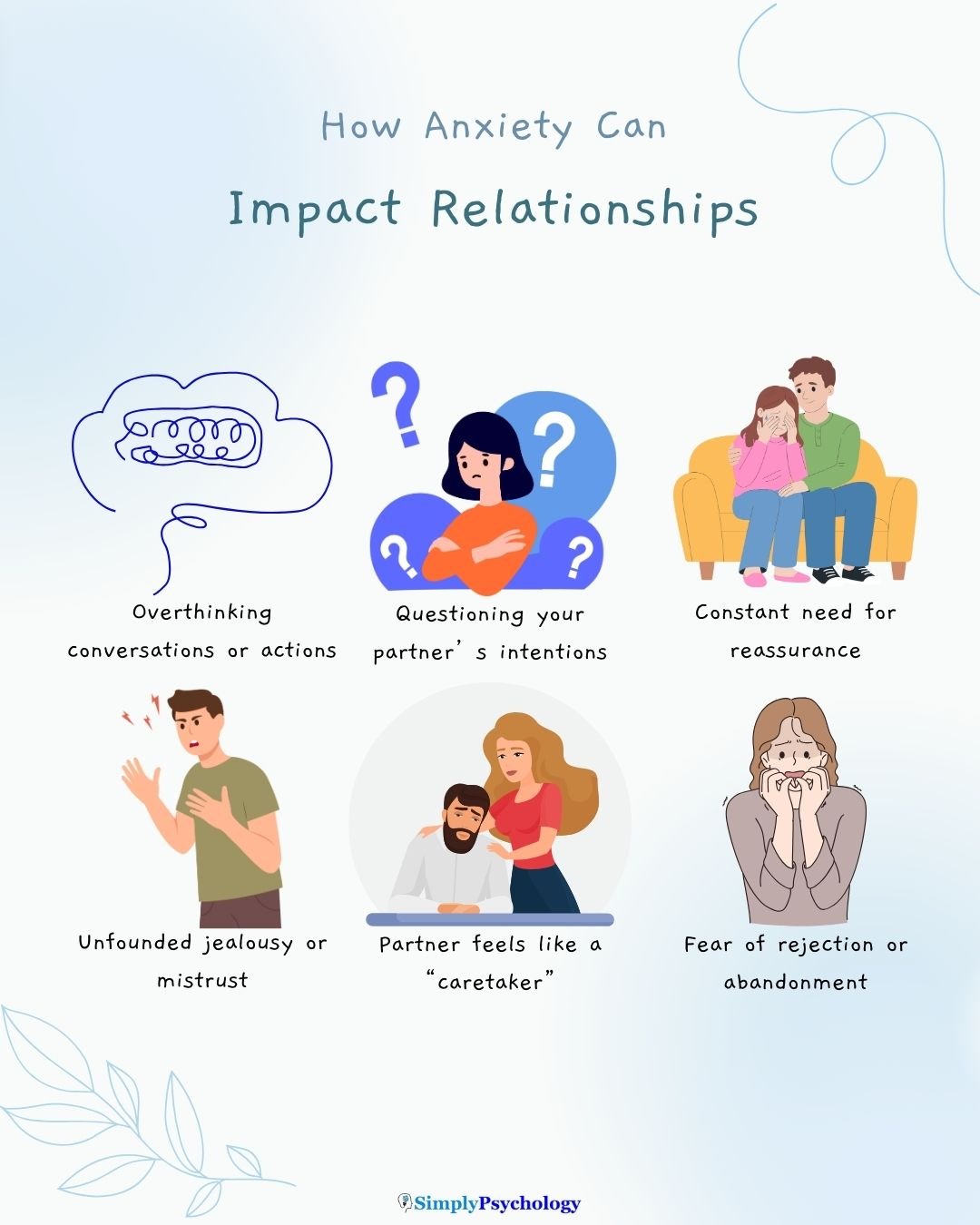
Your work as a social researcher has likely given you familiarity with concepts like attachment theory. A fascinating study provides a perfect, evidence-based model for the dynamic we want to write. It explores something called "Excessive Reassurance Seeking" (ERS).
The Contribution of Attachment Styles and Reassurance Seeking to ...
This paper, 'The Contribution of Attachment Styles and Reassurance Seeking to Trust in Romantic Couples,' provides the psychological mechanism for our 'Fixes that Backfire' scenario. It's a dense read, but the findings are directly applicable.
You don't need to read the full methodology. Focus on these key parts: Introduction (second paragraph): Read the definition of Excessive Reassurance Seeking (ERS). 'Attachment Style as a Predictor...': Skim this section to understand why anxiously attached individuals are more prone to ERS. 'Attachment Style, Daily ERS, and Next Day Trust': Read the subsection starting 'For women, there was a negative association between ERS on day j − 1 and next day trust...'. This is the core finding for our story. Discussion (fifth paragraph): Read the paragraph beginning 'Women high in attachment anxiety who engaged in ERS experienced decreases in levels of trust...'. This explains why the fix backfires.
The study's key finding for our purpose is powerful: for anxiously attached individuals, the act of seeking reassurance can lead to lower levels of trust the next day. It doesn't soothe the insecurity; it feeds it. The reassurance-seeker starts to doubt the sincerity of the feedback or becomes more aware of their own neediness, which deepens their insecurity.
This gives us a psychologically grounded reason for our plot:
- The Husband's Symptom: After the disastrous dinner, he is insecure and withdrawn.
- The Hinge's Fix: She tries to solve this with a grand gesture of reassurance.
- The Backfire: The gesture feels forced or highlights the problem's severity, making the husband even more suspicious and insecure. He starts thinking, "If our relationship were truly secure, she wouldn't need to try this hard to convince me."
3. Writing Exercise: The Fix (30 minutes)
Now, let's apply this to your story. Your task is to write a scene where the hinge's attempt to fix the damage from the dinner backfires, leaving her husband more insecure than before.
Setup: It's the day after the dinner scene you outlined in the previous lesson. The husband is hurt and distant. The hinge feels responsible and decides she must fix the situation immediately.
Step 1: Distinguish the Symptom from the Root Cause (5 mins)
First, clarify the two for your scene:
- Symptom: The husband's anger, silence, or sadness. This is what the hinge sees and wants to fix now.
- Root Cause: The husband's deep-seated fear that he is being replaced and that the core of his marriage is being devalued.
The 'Fixes that Backfire' trap is sprung when a character addresses the symptom while ignoring or worsening the root cause.
Step 2: Design the Hinge's 'Fix' (5 mins)
Choose the specific action the hinge takes. Her goal is to make her husband feel better in the moment. Here are a few ideas. Choose one, or create your own:
- The Grand Speech: She delivers a passionate, heartfelt speech about how he is, and always will be, her primary partner, her rock, the center of her life.
- The New Rule: She proposes a concrete rule designed to protect their relationship, such as "We will always have weekends to ourselves, no exceptions," or "I will never stay overnight with him."
- The Love Bomb: She showers him with affection, gifts, or plans a lavish date night—a clear attempt to paper over the conflict with positive experiences.
Step 3: Engineer the Backfire (20 mins)
Write the scene (approx. 400-500 words). The goal is not to have the husband reject the fix outright. It's more powerful if he seems to accept it on the surface, while internally his insecurity deepens.
- Begin with the tension. Show, don't just tell, the distance between them.
- Introduce the fix. Write the dialogue for the hinge's speech or proposal. Make it sound earnest, even desperate.
- Show the backfire through the husband's reaction.
- If she gives the speech, perhaps he notices a slight hesitation, or the words sound too polished, like she's been rehearsing. His internal thought could be: She's trying to manage me. This isn't love; it's damage control.
- If she proposes a rule, he might agree, but then think: So our marriage now needs a contract to protect it? He really is a threat. The rule, meant to reassure him, validates his greatest fear.
- If she love-bombs him, he might enjoy the attention but feel a growing sense of dread: What happens when this grand gesture is over? Is this what our life is now—periods of crisis followed by frantic repairs?
End the scene not with a fight, but with a quiet, unsettling moment where the audience understands that the hinge's fix has pushed her husband further away, even if she thinks she has succeeded.
Conclusion
Today you've learned to wield the 'Fixes that Backfire' archetype, a powerful tool for generating escalating, psychologically rich conflict. By having your characters address symptoms instead of root causes, you create a tragic loop where their best efforts to solve a problem only make it worse.
Key Takeaways:
- Fixes that Backfire consist of a short-term solution (a balancing loop) that creates a delayed, unintended consequence (a reinforcing loop).
- In relationships, Excessive Reassurance Seeking (ERS) can be a perfect example of this trap, where the attempt to soothe insecurity can inadvertently erode trust.
- To plot this, distinguish the visible symptom from the underlying root cause. The most effective backfires occur when a fix for the symptom worsens the cause.
- The drama comes from the delay and the character's inability to see the connection between their "fix" and the worsening problem.
In our next lesson, we will continue with system traps by exploring the 'Limiting Factor.' You'll learn to design a bottleneck—like limited time, money, or emotional energy—that forces your characters into a crisis and exposes the difficult trade-offs inherent in their V-relationship. The problem you've just amplified with your backfiring fix will soon collide with a hard constraint.