Introduction
Welcome back. In our last lesson, you constructed the rising action for your story, creating a sequence of "try/fail" cycles that methodically escalated the tension between Vera, Alex, and Leo. You’ve pushed your characters through a series of increasingly difficult conflicts, bringing the central problem of your story to a boiling point.
Today, we arrive at that boiling point. The learning outcome for this lesson is to draft the climax of the plot outline, where the central conflict reaches its peak and the decision for consent is made. This is the single most important moment in your narrative—the point of maximum tension where all the questions you've raised must be answered and the core conflict is finally confronted head-on.
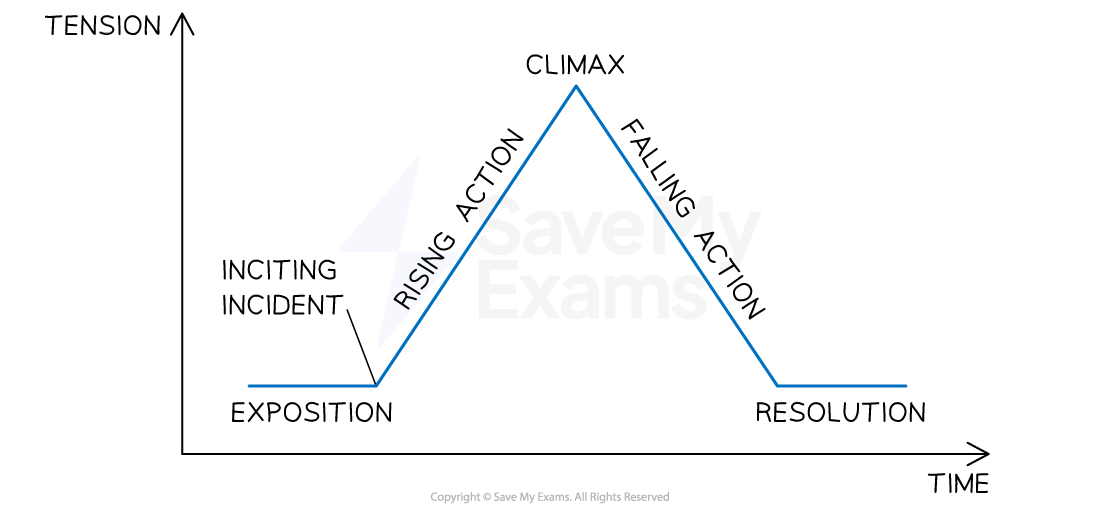
Everything you've built so far—every paradox, every system trap, every conflicted emotion—has been leading to this single, transformative scene.
1. The Three Dimensions of a Powerful Climax
A truly satisfying climax doesn't just resolve the surface-level plot; it provides a meaningful answer to the story's deeper questions. To achieve this, we need to ensure the climax operates on three distinct levels of stakes.
The video 'How to Write a Great Ending' by Tyler Mowery provides an excellent framework for understanding these layers. It explains how to combine external, internal, and philosophical stakes to create a climax that is both emotionally impactful and meaningful.
Please watch the following sections: The Three Levels of Stakes (02:37 - 05:11): Pay close attention to the definitions of external, internal, and philosophical stakes. Think about how each one applies to your story. Creating a Sudden Reversal (08:09 - 09:22): This section introduces the 'all is lost' moment, a critical component for building maximum emotional impact in the climax.
Let's apply this framework directly to your story. The climax must bring all three of these stakes to a crisis point and then resolve them.
- External Stakes: Will Vera and Leo become sexually intimate with Alex's consent? This is the tangible plot goal. The climax must answer this with a definitive yes or no.
- Internal Stakes: Can Alex overcome his fear and insecurity to trust Vera? This is the husband's core emotional battle. The climax is where he either succumbs to his fear or transcends it.
- Philosophical Stakes: Does true commitment mean control and exclusivity, or can it be an act of radical trust and support for a partner's happiness? Your climax will be your story's answer to this question.
The "sudden reversal" discussed in the video is key here. The climax should begin at an "all is lost" moment, where it seems Alex's fears have won and he is going to refuse, breaking the relationship. The reversal is the moment he makes the opposite choice, transforming despair into a new, albeit frightening, form of hope.
2. The Climax as a Scene of Ultimate Choice
At its heart, your story's climax is a single, dramatic scene where a final, irreversible choice is made. In the rising action, Vera was often the one driving the plot forward. In the climax, the power shifts. Alex becomes the character who must make the choice.
The video 'How to Write a Perfect Scene' by Tyler Mowery explains that every great scene is built around a character making a choice. In the climax, this choice is the most important one in the entire story.
Please watch these two sections: Dialogue as Debate (00:02 - 05:42): Notice how the video frames dialogue as a debate where characters argue for a specific choice. The climax will be the ultimate debate between Vera and Alex. Power and the Choicemaker (05:42 - 10:43): This section explains that the character who holds the choice holds the power in the scene. In your climax, this character is Alex.
In this scene, Vera's role is to present the choice in its clearest, most unavoidable form. Alex's role is to make it. The dialogue isn't just an argument; it's a high-stakes negotiation over the future of their relationship and their core values.
A powerful way to ground this abstract conflict is with a scene object—a physical item that represents the choice. For your story, this could be:
- Their wedding album, representing the past and their commitment.
- A packed suitcase, representing the threat of the relationship ending.
- Vera's phone, containing texts from Leo, representing the new reality.
This object can make the philosophical debate tangible and visually potent.
3. The Psychology of the Decision
For Alex's consent to feel earned and not like a simple defeat, it must come from a place of emotional truth. This is where your deep understanding of relationship dynamics becomes a powerful writing tool. His decision can't be forced; it must be a genuine internal shift.
The resource below provides the psychological script for this scene. It details the fears of a reluctant partner and the actions an exploring partner can take to create a space for trust.
Exploring Polyamory with a Reluctant Partner
The article 'Exploring Polyamory with a Reluctant Partner' offers profound insights into the emotional reality of your characters. We will focus on the sections that detail the final, critical conversation.
Please read the following two sections very carefully: Start with the subsection titled 'Listen' and continue through 'Provide reassurances.' This provides the direct emotional toolkit for Vera. It lists the husband's core fears and the reassuring actions the wife can take in response. Next, read the section 'Own your position.' This is Vera's crucial role in the climax. She must be honest about her needs, even if it risks the relationship. This is what forces the 'all is lost' moment and makes Alex's choice truly meaningful.
Here is how these concepts assemble into your climactic scene:
- Vera "Owns Her Position": She makes it clear that her connection with Leo is a fundamental part of her happiness. This isn't an ultimatum delivered in anger, but a vulnerable statement of truth. This action raises the stakes to their absolute peak: Alex must confront the issue, or the relationship as it exists cannot continue.
- Alex's "All Is Lost" Moment: Faced with this, Alex is pushed to his breaking point. He voices his deepest fears, directly from the article: fear of being replaced, feeling inadequate, loss of control, fear of abandonment. He is on the verge of saying "no," believing it's the only way to protect himself.
- Vera's Reassuring Response: Instead of arguing, Vera listens. She validates his fears ("Are you worried that I will love someone else more and leave you?"). She reassures him of her love and their unique bond, using actions and words that speak his "love language."
- The Reversal—Alex's Choice: By having his fears seen and validated, Alex is given the emotional space to make a different choice. He realizes that saying "yes" is not an act of surrender, but an act of profound trust. He chooses to believe in their bond over his fear. This is the moment consent is given, resolving the external, internal, and philosophical stakes all at once.
Your Task: Draft the Climax (30 minutes)
Now it's time to write. Return to your plot outline document. You will now write the full prose for the climax scene. Don't worry about perfect wording; focus on capturing the emotional arc we've just outlined.
Your goal is to write a single, powerful scene where the conflict reaches its peak and Alex gives his consent.

Structure your scene using this guide:
- The Setup: Begin the scene at the breaking point. The tension is unbearable. Vera, calmly but resolutely, "owns her position," making the stakes clear.
- The "All Is Lost" Moment: Describe Alex's reaction. Have him voice his core fears (inadequacy, abandonment, loss of control). Bring him to the brink of refusal.
- The Turning Point: Write Vera's response. Show her listening, validating his feelings, and providing powerful, specific reassurances of her love for him.
- The Climactic Moment: Write the moment of reversal. Describe Alex's internal shift from fear to trust. His consent should be an active, powerful choice—not a passive defeat.
- The Immediate Aftermath: End the scene with a brief moment showing the immediate release of tension. What does the air feel like between them now that the choice has been made?
Conclusion
You have now drafted the most critical and emotionally resonant moment of your story. The climax is the peak of the mountain you've been climbing, and it's the moment that gives the entire journey its meaning.
Key Takeaways:
- A powerful climax resolves the story's external, internal, and philosophical stakes simultaneously.
- It is structured around an "all is lost" moment followed by a sudden reversal, creating maximum emotional impact.
- The scene is driven by a pivotal choice, where one character holds the ultimate power to decide.
- For the decision to feel earned and emotionally truthful, it must be grounded in the characters' psychological realities, involving validation and reassurance.
Preview of the Next Lesson
The peak has been reached, the decision made. But the story isn't over. In our next lesson, we will address the final learning outcome of this module: Draft the resolution and falling action, showing the immediate aftermath of consent and the new relational equilibrium. We will explore the consequences of Alex's choice and define the "new normal" for your three characters.