Introduction
Welcome back. In our last lesson, you navigated the story's most intense moment: the climax. You crafted the pivotal scene where, after immense internal struggle, Alex made the active choice to give his consent, transforming the central conflict of the narrative. This decision represents the peak of your story's tension.
Now, we begin the descent. The learning outcome for this lesson is to draft the resolution and falling action, showing the immediate aftermath of consent and the new relational equilibrium. Having reached the summit, we must now show the consequences of that climb and what the world looks like from this new vantage point. This is where you demonstrate that the "happy" ending was earned and explore the complex reality of the new dynamic you've created.
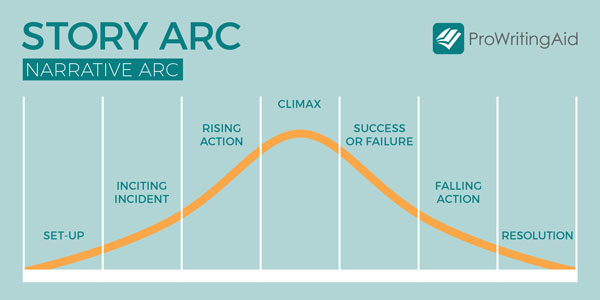
1. The Anatomy of an Aftermath: Falling Action and Resolution
The climax resolves the central question of the plot (Will Alex consent?), but the falling action and resolution must resolve the emotional and relational fallout. These two stages have distinct jobs.
- Falling Action: This is the immediate aftermath. It's the "day after" the big decision. The tension is decreasing, but the characters are still processing the enormous event that just occurred. It’s a space for quiet conversations, emotional reactions, and tying up the immediate loose ends created by the climax.
- Resolution: This is the story's final state, the "new normal." It provides a snapshot of what life looks like for Vera, Alex, and Leo now that the conflict has been settled. It doesn't mean all problems are solved forever, but it establishes a new, stable (or at least understandable) equilibrium.
The key to writing a powerful aftermath is to understand it as a reaction to the climax. A great way to structure this is by thinking in terms of Scene and Sequel. The climax was your story's biggest "Scene" (an action). The falling action is the "Sequel" (a reaction).
Scene Structure and Transitions in Big Scenes
The article 'Scene Structure and Transitions in Big Scenes' by K.M. Weiland provides an excellent framework for writing the aftermath of a major plot point. It explains how the 'sequel' or reaction phase is crucial for showing character change and making the story feel real.
Please read the following sections to understand how to structure your falling action: Introduction and Scene/Sequel Definition: Start at the beginning and read to the end of the paragraph 'You end up with this beautiful line of dominoes...'. This introduces the core concept of action/reaction. Structuring Your Story’s Sequels: Reaction: Read this section to understand the three parts of a sequel: Reaction, Dilemma, and Decision. Think About Where You Will Develop Character Relationships: This short section is vital. It highlights how these quieter 'sequel' moments are perfect for showing characters recalibrating their relationships, which is exactly your goal.
As the article notes, the sequel consists of three parts that naturally follow a major event:
- Reaction: The immediate emotional response. For Alex, this might be a mix of relief, lingering fear, and exhaustion. For Vera, it could be gratitude mixed with a new sense of responsibility.
- Dilemma: The new question that arises. Now that consent is given, what does that practically mean for tonight? For tomorrow? This is less about a massive conflict and more about navigating uncharted territory.
- Decision: The choice of what to do next. This decision won't be as dramatic as the climax, but it will be the first step into the new reality. For example, Vera might decide to stay and talk with Alex, or Alex might encourage her to go see Leo. Each choice sets the tone for the new equilibrium.
2. Crafting an Earned, Realistic Conclusion
Your story's resolution—consensual intimacy in a V-shaped polyamorous relationship—is a form of "happy ending" because the protagonist achieves her goal. However, given the emotional complexity and your background in social research, you know that such a profound change doesn't come without cost or consequence. To make the ending feel authentic and satisfying, it must feel earned, not contrived.
How to Write Happy Endings That Don’t Feel Contrived
Gabrielle Pollack's article, 'How to Write Happy Endings That Don’t Feel Contrived,' offers three excellent principles for ensuring your resolution has weight and realism. It will help you avoid an ending that feels too easy or unearned.
Please read the following three sections: Include Consequences: Pay attention to how the article differentiates a 'perfect' ending from a genuine one. Think about the lasting emotional scars or changes for your characters. Depict Appropriate Reactions to Pain: This reinforces the importance of the 'sequel'. Your characters have been through an emotional battle; they need time to process it realistically. Tie Everything to Theme: This section explains how the ending should be a logical result of the character's growth and confirm the story's central message.
Let's apply these principles to your story's resolution:
- Consequences: Alex's consent is a victory for trust, but what has been lost or irrevocably changed? Perhaps the old, simpler form of their marital intimacy is gone forever, replaced by something more complex and demanding. The "innocence" of their exclusive bond has been sacrificed. Showing this cost makes his gift of consent more meaningful.
- Appropriate Reactions: In the falling action, don't shy away from lingering vulnerability. Alex might have a moment of panic or sadness, even after consenting. Vera might feel a pang of guilt alongside her joy. These are not signs of a failed resolution, but of a realistic one. True emotional equilibrium isn't a flat line; it's a dynamic balance.
- Tie to Theme: The resolution should be the ultimate proof of your story's theme. If the theme is that love is not about possession but about supporting a partner's flourishing, then the final scene must show this in action. Alex's peace should come not from suppressing his fear, but from seeing Vera happy and knowing his trust made it possible.
3. Your Task: Draft the Falling Action and Resolution (30 minutes)
Return to your plot outline document. You will now write the final two parts of your story. Focus on the emotional reality and the new relational dynamics.
Part A: The Falling Action Scene
Write a "sequel" scene that takes place shortly after the climax. This scene's goal is to process the decision and navigate the immediate aftermath.
- Show the emotional reaction: How do Vera and Alex behave around each other now? Is it tender? Awkward? Exhausted?
- Present the new dilemma: The big question is answered, but smaller ones remain. What happens now? Do they talk all night? Does Vera text Leo? The choice they make will be the first concrete step in their new dynamic.
- Focus on the V: This scene is primarily about the hinge (Vera) and the established partner (Alex) recalibrating their own connection.

Part B: The Resolution Scene
Write the final scene of your short story. This is a snapshot of the "new normal" and should provide a sense of closure. This scene could take place a few days or weeks after the climax.
- Show, don't just tell, the new equilibrium: Instead of stating "they were all adjusting well," show a scene that demonstrates it. Perhaps Alex is heading out for the evening and sincerely wishes Vera a good time with Leo. Or maybe the three of them share a brief, comfortable moment in the same space.
- Acknowledge the consequences: The resolution shouldn't be "perfect." It can include a subtle nod to the difficulty of their journey and the ongoing effort required. A brief moment of Alex's introspection or a look between Vera and Alex can convey this complexity.
- Reinforce the theme: The final image should leave the reader with a powerful feeling that embodies your story's message about trust, love, and commitment.
Conclusion
You have now drafted the complete emotional and narrative arc of your story. By carefully crafting the aftermath of the climax, you ensure that the story's resolution feels not only satisfying but also profound and truthful.
Key Takeaways:
- The Falling Action is a "sequel" to the climax, focusing on the characters' emotional reactions and the immediate choices they must make.
- The Resolution provides a final snapshot of the "new normal," showing the established relational equilibrium.
- A realistic and earned ending includes lasting consequences, shows appropriate emotional reactions, and is a logical extension of the characters' growth and the story's central theme.
Preview of the Next Lesson
With all the component parts of your plot drafted—from setup to resolution—our next and final step in this module is to review and refine the entire structure. The next lesson's outcome is to review and annotate the complete outline, identifying which specific technique drives each major plot point. This will ensure every scene has a clear purpose and that the escalation of tension is deliberate and effective, solidifying the blueprint for your final short story.