Introduction
Welcome back. In our last session, you did a deep-dive into the husband's psyche, creating a compelling portrait of his internal conflict. You described how his 'fixer' mentality and 'people-pleasing' nature cause him to become trapped in the systemic loop you designed: a Decision Paradox (like the Abilene Paradox) layered on top of a System Limiter (like Success to the Successful or Escalation). The result is a man who intellectually tries to manage a situation while emotionally acquiescing to things that cause him deep anxiety, all out of a fear of conflict and separation.
Today, we take that internal pressure cooker and make it explode. The goal of this lesson is to translate that simmering psychological tension into a pivotal, external story event. Our learning outcome is to: Outline a key scene where the limiter-paradox interaction drives the plot toward a crisis point for all three characters.
This isn't the story's climax, but a crucial turning point where the unspoken truths can no longer be contained. It's the moment the fragile peace shatters, forcing everyone to confront the real, messy dynamics of their relationship.
From Internal State to External Crisis
A crisis scene is where subtext becomes text. The tension that's been building under the surface must erupt, changing the characters' relationships permanently. For your story, this is the moment where the husband's (let's continue calling him Alex) false agreement breaks down, revealing the true cost of the vee relationship's current trajectory.
To structure this, we'll use the limiter-paradox combination you've been developing as the engine of the scene.
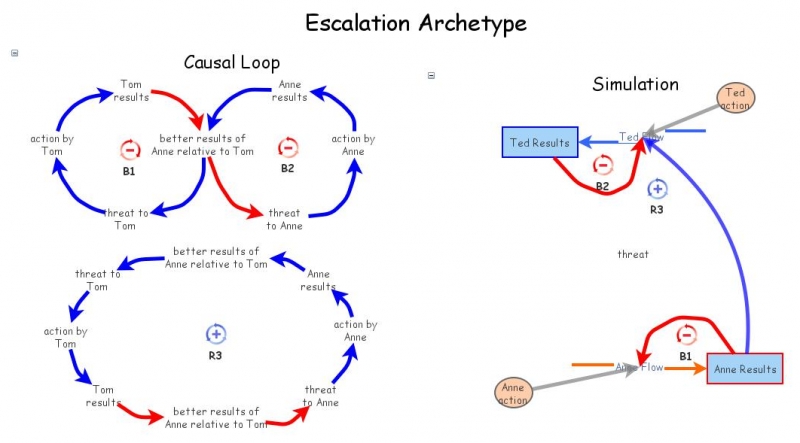
- The Limiter as the Trigger: The System Limiter (e.g., Escalation, Success to the Successful) provides the trigger for the crisis. The new relationship between your hinge (Vera) and her lover (Leo) isn't static; it's growing. This growth creates escalating pressure on Alex. The trigger is a specific new step in their relationship that represents a threshold Alex cannot silently cross.
- The Paradox as the Mechanism of Failure: The Abilene Paradox describes how Alex has been coping—by saying "yes" when he means "no." The crisis scene is the moment this coping mechanism fails spectacularly. The pressure from the trigger becomes too great, and he can no longer maintain the facade of agreement.
Let's watch a short video on crafting tension to get into the right mindset for this scene.
How to write a tense scene (practical tips for adding tension and suspense to your writing)
The video 'How to write a tense scene' by Kieren Westwood offers practical advice on building tension. We're not looking to write a tense scene right now, but to design a crisis scene. The principles are related. Tension is the buildup; the crisis is the explosion. Understanding one helps you execute the other.
Please watch the first two minutes (00:00 to 02:13). Pay close attention to two key ideas: Tension is the sense of impending conflict, not the conflict itself. Your crisis scene will be the moment this impending conflict finally arrives. Tension is about managing information. Alex has been withholding the truth of his feelings. This scene is where that information is forced into the open.
This video highlights that the power of a crisis comes from the tension that precedes it. Alex's silent suffering and Vera and Leo's potential ignorance of its depth are the fuel. The crisis is the spark.
Anatomy of the Crisis Scene
Let's break down how the Abilene Paradox can structure a powerful crisis. Think of the original story from the resource you've reviewed: a family takes a trip nobody wants because they all misread each other's enthusiasm. The crisis isn't the bad dinner; it's the moment of recrimination back home when the truth comes out.
Your scene will follow a similar arc:
- The Unwanted Proposal: The scene begins with a proposal, driven by the 'Success to the Successful' limiter. Vera and Leo, excited about their growing connection, suggest a new level of intimacy or commitment (e.g., a weekend trip, celebrating an anniversary, moving in together).
- The False Agreement: Alex, trapped by his fear of being unsupportive (his 'people-pleasing' side), gives a weak, hollow agreement. His body language betrays him, but his words say "yes." This is the Abilene Paradox in action.
- The Tipping Point: Something small makes the situation unbearable. It could be a casual term of endearment between Vera and Leo, a shared look of excitement that excludes him, or a detail about their plan that feels particularly hurtful. This is the "snap."
- The Outburst: Alex's control breaks. He finally confronts them, not with calm reason, but with the raw emotion he's been suppressing. Accusations fly. The truth of his "consent" is revealed as coerced by fear.
This structure ensures the crisis feels both surprising and inevitable, a direct consequence of the characters' psychology and the system they've created.
Using Three-Corner Opposition to Deepen the Conflict
Your vee relationship is a natural three-corner opposition. Each character has a competing value system that is about to collide.
To make the crisis scene dynamic, you need to understand what each character wants and fears in that moment. Based on the four-corner opposition framework, let's consider their viewpoints:
- Vera (The Hinge):
- Goal: To integrate her two relationships successfully. She likely wants harmony and for everyone to be happy.
- Value: Authentic self-expression, growth, connection.
- Fear: That her desires are fundamentally incompatible; that she will be forced to choose and will lose someone she loves.
- Alex (The Husband):
- Goal: To maintain security and a sense of control over his life and marriage.
- Value: Stability, loyalty, partnership.
- Fear: Being abandoned, replaced, or losing his identity as the primary partner. The 'Fear of Separation' from the Abilene Paradox is his core driver.
- Leo (The Lover):
- Goal: To build a genuine, deepening connection with Vera.
- Value: Passion, exploration, emotional honesty.
- Fear: Being seen as a home-wrecker or a temporary fling; that the relationship has no real future.
The crisis occurs when Vera's pursuit of growth triggers Alex's fear of abandonment, forcing Leo to question the viability of his connection. The scene isn't just about Alex's anger; it's about how his anger refracts through the goals and fears of the other two characters.
Your Task: Outline the Crisis Scene
Your task is to outline the key scene where the simmering conflict boils over. This outline will serve as the blueprint for writing the full scene later. Do not write the full prose version yet. Focus on the structure, key actions, and pivotal lines of dialogue.
Instructions (35 minutes):
Using the template below, outline your crisis scene. Be specific and focus on cause and effect.
Scene Outline Template
-
1. Setting & Mood:
- Where and when does this scene take place? (Choose a setting that contrasts with the emotional explosion, like a quiet dinner at home, to heighten the impact.)
- What is the initial mood before the trigger? (e.g., Tense but polite, superficially friendly.)
-
2. The Trigger (The Limiter in Action):
- What specific plan or request do Vera and Leo present to Alex? Make it a clear escalation from their current status. (e.g., "We were thinking of going to my family's cabin for a long weekend, just the two of us.")
-
3. The False Agreement (The Abilene Paradox):
- What is Alex's immediate verbal response? (e.g., "Oh. Okay. Sounds... nice.")
- What is his internal reaction and body language? Describe the conflict between his words and his non-verbal cues (e.g., clenches his jaw, stares at his plate, voice is flat).
-
4. The Tipping Point (The "Snap"):
- What is the small, specific detail that breaks Alex's composure? It should be something that makes the reality of their bond undeniable and his exclusion absolute. (e.g., Vera says, "It'll be our first real trip together," and squeezes Leo's hand.)
-
5. The Confrontation (The Eruption):
- Alex's First Line: What is the first thing he says that shatters the politeness? It should be emotional, not rational. (e.g., "'Our' first trip? What about 'our' trips? Do they not count anymore?")
- Key Accusations: List 2-3 key points Alex makes. He should connect their current plan to his past sacrifices and suppressed feelings. (e.g., "I've said yes to everything... and all it does is push me further out," or "You don't want a husband, you want an administrator.")
- Vera's Reaction: How does she respond? Is she defensive, shocked, guilty? What is her first line? (e.g., "That's not fair! I thought you were okay with this.")
- Leo's Reaction: How does he respond? Does he withdraw, try to mediate, or become defensive on Vera's behalf? (e.g., He pulls his hand away from Vera's and says, "Maybe this is a bad idea.")
-
6. The Aftermath (The New Status Quo):
- How does the scene end? The conflict is not resolved. What is the final image or line? (e.g., Alex stands up and leaves the room, leaving Vera and Leo sitting in stunned silence. The "trip" is now impossible, but the underlying problem is finally on the table.)
- What is the new emotional reality for the trio? (e.g., The illusion of consensus is gone. Honesty has been achieved through a painful explosion, and the path forward is uncertain.)
Conclusion
You have now designed the dramatic fulcrum of your story. This crisis scene is where the potential energy of your character's internal conflict is converted into the kinetic energy of plot. By grounding the scene in the limiter-paradox dynamic you've established, you ensure it feels earned and psychologically true.
Key Takeaways:
- A crisis scene translates a character's internal state into an external, plot-changing event.
- The scene is triggered when a System Limiter (like Escalation) pushes a character past their breaking point.
- The breakdown of a flawed coping mechanism (like the Abilene Paradox) provides the structure for the emotional explosion.
- Thinking about the scene from each character's conflicting viewpoint (three-corner opposition) adds layers of complexity and realism.
Preview of the Next Lesson
In our next lesson, we will begin Module 11, "Drafting the Complete Short Story Plot." We will take this crisis scene, along with all the other elements you've developed using SCAMPER, Thought Experiments, and LAPS SEE, and start to arrange them. Your first task will be to sequence all previously developed plot points and techniques along the emotional arc to control the pacing of conflict and revelation. You will begin the work of a true story architect, building the complete narrative framework from beginning to end.