Hello! Welcome to the final lesson of our module on advanced narrative structures.
In our last lesson, we explored in medias res, a powerful technique for grabbing an audience's attention by dropping them directly into the action. It’s the perfect tool for making an immediate impact in a crowded digital space. But once you have their attention, how do you keep it over the long term?
That’s where our topic for today comes in. Your learning outcome is to describe episodic storytelling and its application in creating content series for sustained engagement. We will explore how breaking a larger narrative into smaller, self-contained installments can build a loyal audience that comes back to your brand again and again.
1. From a Single Arc to a Series of Adventures
In previous lessons, we've discussed narrative structures that follow a single, unified arc—a beginning, middle, and end. Think of the three-act structure or Freytag's Pyramid. An episodic story works differently. It's composed of a series of self-contained stories, or episodes, that are linked by recurring elements like characters, a central theme, or a shared world.
Each episode has its own mini-narrative arc (its own conflict, climax, and resolution), making it satisfying to watch on its own. However, the true power lies in the connections between episodes.

Let's get a clearer definition that contrasts episodic storytelling with a more familiar format: serialized storytelling.
Oops No Plot: The Raw Power of Episodic Storytelling
The video 'Oops No Plot: The Raw Power of Episodic Storytelling' by HARTWELL THE WATCHER provides an excellent distinction between episodic and serialized content.
Please watch from 03:01 to 03:31. Focus on the core definition: episodic shows can generally be viewed out of order because each installment is its own contained adventure.
Think of classic literature. A novel like Pride and Prejudice is serialized; you must read the chapters in order to follow the overarching plot of Elizabeth and Darcy's relationship. In contrast, the Sherlock Holmes stories are episodic. You can read "A Scandal in Bohemia" or "The Hound of the Baskervilles" in any order and still enjoy a complete mystery. What brings you back isn't an unresolved plot cliffhanger, but the desire to spend more time with the characters of Holmes and Watson.
2. The Psychology of Sustained Engagement
This brings us to the core reason why episodic content is so effective for building loyalty: it's fundamentally character-centric. The audience's primary motivation for returning isn't to find out what happens next in the plot, but to see how their favorite characters react to a new situation.
Oops No Plot: The Raw Power of Episodic Storytelling
Let's return to the 'Oops No Plot' video to explore this 'unspoken contract' between the creator and the audience.
Watch from 04:37 to 06:23. The creator explains that good episodic storytelling starts with character and builds plots from the themes found within them. Pay close attention to the idea of the 'unspoken contract': the audience agrees to keep tuning in as long as they get to spend time with characters they enjoy.
Beyond the character connection, episodic content fosters engagement through several other mechanisms.
Creating a Social Media Content Series
The article 'Creating a Social Media Content Series' from Sprout Social digs into why audiences have come to prefer this format.
Read the section 'The audience mandate: Why audiences prefer episodic content.' Note the three key reasons discussed: creating routine, fostering connection and loyalty, and providing relatable stories that cut through the noise.
To summarize, episodic storytelling sustains engagement by:
- Building Character Affinity: The audience develops a relationship with recurring characters (or a brand persona) and wants to see more of them.
- Creating Ritual: A predictable release schedule (e.g., a new video every Tuesday) turns content consumption into a habit.
- Fostering Community: Shared love for a series and its characters creates a sense of belonging among fans, who then discuss theories and favorite moments.
- Providing Thematic Depth: Each episode can explore a different angle of a core brand theme (e.g., courage, innovation, community), building a rich and multi-faceted narrative world.
Test your understanding!
Think of a TV show, YouTube series, or podcast you follow. Is it episodic or serialized? If it's episodic, what keeps you coming back for each new installment? Is it the characters, the theme, the format, or something else?
Show answer
A great example from the branding world is Red Bull's "Way of the Wildcard" series. Each episode follows a different underdog athlete preparing for a major event. The series is episodic; you can watch any episode on its own. Viewers are drawn back not by a continuing plot, but by the recurring theme of overcoming odds and the compelling, authentic character of each featured athlete. It reinforces Red Bull's brand identity of pushing limits and supporting extreme sports.
3. Episodic Storytelling in Your Brand's Content Strategy
In a marketing context, episodic content allows a brand to behave less like an advertiser and more like an entertainment channel. Instead of creating disconnected, one-off ads, you create a "brand universe" that audiences choose to spend time in.
This shift is becoming increasingly important on platforms like YouTube, where viewers are consuming longer, TV-like content.
Is Episodic Storytelling About to TAKE OVER YOUTUBE in 2025?!
The video 'Is Episodic Storytelling About to TAKE OVER YOUTUBE in 2025?!' by Daryn Strauss explains this trend and its implications for creators and brands.
Watch from the beginning to 07:14. Pay attention to how the speaker describes the shift towards viewers expecting creators and brands to be 'compelling leading characters with ongoing story arcs.' Also, note the importance of the 'character journey' as the foundation of episodic content.
So, what does this look like in practice? Brands can adopt many different formats for their episodic content.
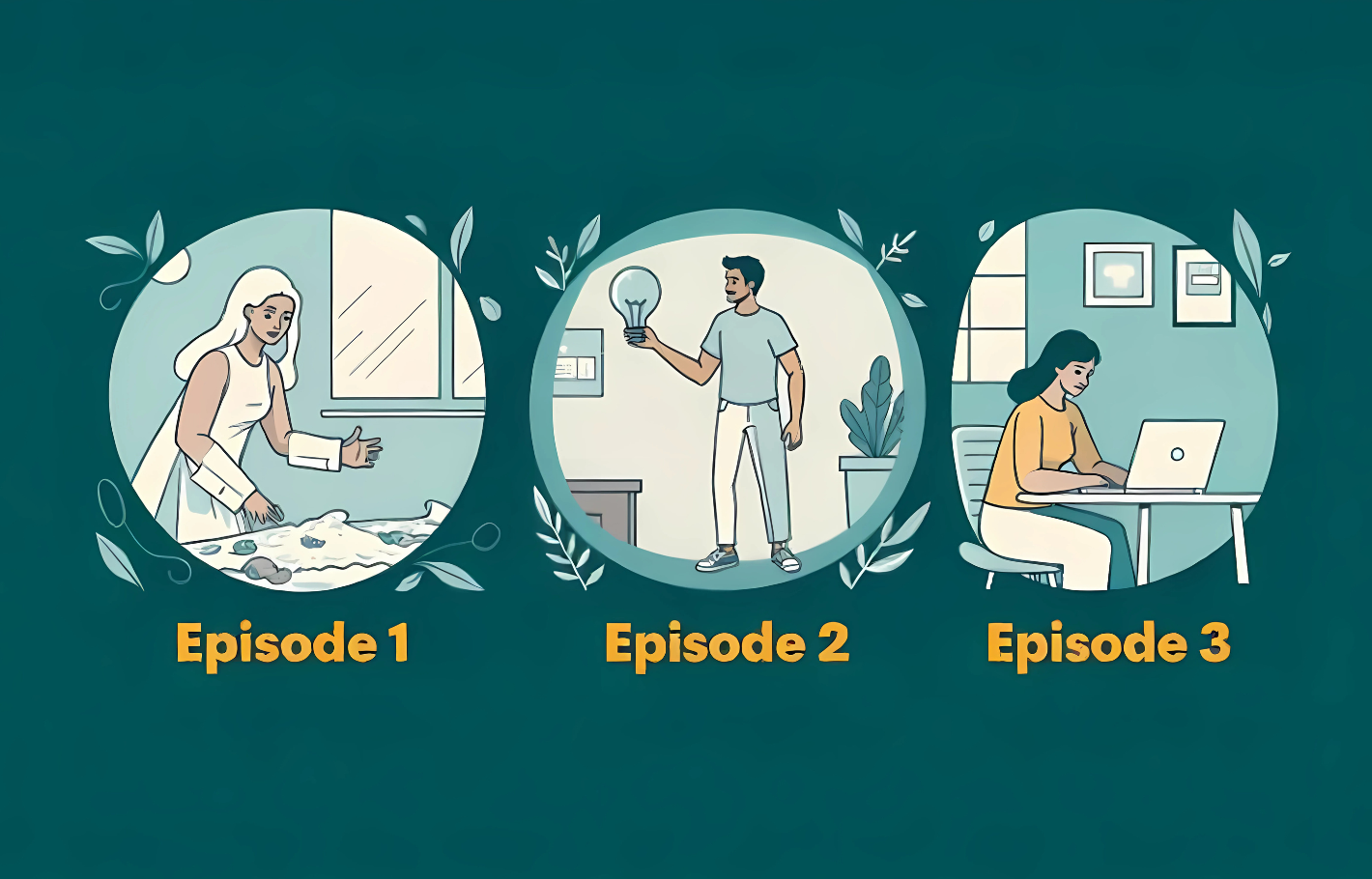
How to Create an Episodic Content Strategy for Your Brand
The article 'How to Create an Episodic Content Strategy for Your Brand' by Robert Katai provides an excellent breakdown of the different types of episodic series a brand can create.
Read the section '3. Choose the right type of episodic content.' It details seven different formats: Docu-series, Talk Show, Scripted Series, Learning Series, Reality Show, Animated Series, and Solo Series. Think about how each format could serve a different brand goal.
These formats give you a versatile toolkit for brand storytelling:
- A Docu-series can showcase customer success stories.
- A Learning Series can establish your brand as an expert guide (think of Wistia's video production tutorials).
- A Scripted Series can create a fictional world that embodies your brand's values.
- A Talk Show or Solo Series can give your brand a consistent, personal voice.
A particularly useful framework for brand channels is the A/B Storyline. The "A" storyline is the explicit topic that provides value (e.g., marketing tips, product tutorials), while the "B" storyline is the personal journey of the host or brand, which builds connection. A viewer might come for the A-storyline but stay for the B-storyline.
4. Tips for Creating Your Own Content Series
If you're inspired to develop an episodic series, here are a few key principles to keep in mind.
Creating a Social Media Content Series
Let's revisit the Sprout Social article 'Creating a Social Media Content Series' for some practical advice.
Read the section 'What makes episodic content stand out (and tips for your strategy).' Focus on the four key takeaways: embrace video, prioritize human connection, use recurring characters, and make audience feedback a priority.
Crucially, don't focus on a hard sell. The goal of episodic content is to build brand affinity and goodwill. The product or service is often a supporting element, not the star of the show. The true star is the story and the characters within it.
Apply your knowledge!
Imagine a small, independent coffee shop that wants to build a local following on Instagram. Their brand values are craftsmanship, community, and sourcing high-quality beans.
Using the formats we've discussed, brainstorm one idea for an episodic content series they could create. What would be the recurring theme or characters? Why would it keep people engaged?
Show answer
Here is one possible idea:
- Series Title: "Meet the Makers"
- Format: Mini Docu-series (each episode is a 90-second Reel).
- Concept: Each week, the series introduces the audience to one of the local suppliers the coffee shop works with.
- Episode 1: A visit to the local dairy farm that provides their milk. The recurring "character" is the coffee shop's owner, who interviews the farmer.
- Episode 2: A profile of the local artist who designed the murals on the shop's walls.
- Episode 3: A chat with the baker who delivers their fresh pastries every morning.
- Why it works: It uses recurring characters (the owner) and a strong, recurring theme (community and craftsmanship). It doesn't sell coffee directly but builds a rich story around the brand's values, making customers feel like part of a local ecosystem. The weekly release schedule would also help build a viewing habit.
Conclusion
Today, we've seen how episodic storytelling moves beyond the one-off impact of techniques like in medias res to build sustained, long-term audience engagement. By creating a content series with compelling characters and a consistent theme, you can transform your brand from something people buy from into something people follow.
Key Takeaways:
- Definition: Episodic storytelling consists of self-contained narrative installments linked by recurring characters, themes, or settings.
- Sustained Engagement: It works by fostering a deep connection to characters, creating viewing habits through routine, and building a community around a shared narrative world.
- Application in Branding: Brands use this to create content series (like docu-series, talk shows, or scripted shorts) that build brand affinity, establish thought leadership, and create a loyal following.
Preview of the Next Module:
This lesson concludes our module on advanced narrative structures. We've explored how to arrange the large-scale building blocks of a story for different effects—from the linear arc of Freytag's Pyramid to the attention-grabbing hook of in medias res and the sustained engagement of an episodic series.
In our next module, "Crafting Language: Literary Devices in Branding," we will zoom in from the macro-structure to the micro-level of the words themselves. Our first lesson will focus on how to use metaphor and simile to create vivid imagery for product benefits, adding color and emotion to the stories you tell.