Hello! In our previous lesson, we established a strong correlation between the Ayurvedic concept of Agni and the complex world of modern digestive physiology. We saw how Jatharagni represents the net power of the upper GI tract's enzymes, while Bhutagni and Dhatvagni correspond to hepatic biotransformation and cellular metabolism, respectively.
Today, we explore the inevitable consequence of impaired Agni (Agnimandya): the formation of Ama. This lesson is pivotal in our study of digestive disorders, as Ama is considered the root cause of many diseases in Ayurveda. Our learning outcome is to correlate the Ama concept with gut dysbiosis and systemic inflammatory markers. Mastering this connection will allow you to diagnose and explain the origins of chronic inflammatory conditions using a powerful, integrated framework that speaks to both ancient wisdom and modern science.
1. From Impaired Fire to Metabolic Toxins: Understanding Ama
When Agni is weak (Mandagni), it cannot properly digest food. This leads to the formation of a toxic, morbid substance known as Ama. As you know from your BAMS studies, Ama is not just "undigested food"; it is a reactive metabolic byproduct that can disrupt normal physiology.
To consolidate this classical understanding, let's review its key characteristics.
WORLD JOURNAL OF PHARMACEUTICAL RESEARCH
The article 'EXPLORING AMA AS AN AYURVEDIC INFLAMMATORY MEDIATOR' provides an excellent summary of the classical definitions and characteristics of Ama.
Please read the section titled 'CLASSICAL UNDERSTANDING OF AMA' (up to 'Process of formation of Aam'). Focus on the various definitions provided by the Acharyas and the classic Lakshanas (symptoms) of Ama, such as Srotorodha, Gaurava, and Balabhransha. This will refresh your memory on the foundational properties of Ama.
As the text reinforces, Ama is characterized by its heavy (guru), sticky (picchila), and channel-obstructing (srotorodha) nature. It is the pathogenic starting point for a vast number of disorders. Now, let's look for its parallel in modern medicine.
2. The Modern Parallel: Gut Dysbiosis
In modern gastroenterology, the health of the gut is increasingly seen through the lens of the microbiome—the vast community of bacteria, viruses, and fungi living in our intestines. When this community is balanced and diverse, it's called eubiosis. When it's imbalanced, it's known as gut dysbiosis.
To understand what dysbiosis is and why it's so problematic, please watch the following segment from a masterclass on the topic.
The Gut Microbiome Masterclass: How to Treat Dysbiosis and What Causes Dysbiosis
In 'The Gut Microbiome Masterclass,' Dr. Laura Jones clearly defines gut dysbiosis and explains its direct consequences for our health.
Please watch the segments from 05:31 to 07:02 and 11:32 to 12:48. The first part defines the three main types of dysbiosis and links it to changes in metabolic activity. The second part discusses how dysbiosis directly leads to increased intestinal permeability ('leaky gut') and low-grade systemic inflammation, which is a crucial connection for our lesson.
As the video explains, dysbiosis is not just about having "bad bacteria." It's an ecological disruption characterized by:
- A loss of beneficial microbes.
- An overgrowth of potentially harmful microbes.
- A loss of overall microbial diversity.
This imbalance compromises digestion, damages the gut lining, and as we will see, has consequences that extend far beyond the gut.
3. The Core Correlation: Ama as Microbial Endotoxins
Now we arrive at the heart of our lesson. How do we connect the sticky, toxic substance of Ama with the microbial imbalance of dysbiosis? The most direct and compelling correlation is between Ama and the toxic byproducts of dysbiotic bacteria, particularly lipopolysaccharides (LPS).
- Lipopolysaccharides (LPS) are molecules found in the outer membrane of Gram-negative bacteria. They are also known as endotoxins.
- In a healthy gut, the intestinal barrier is strong, and very little LPS enters the bloodstream.
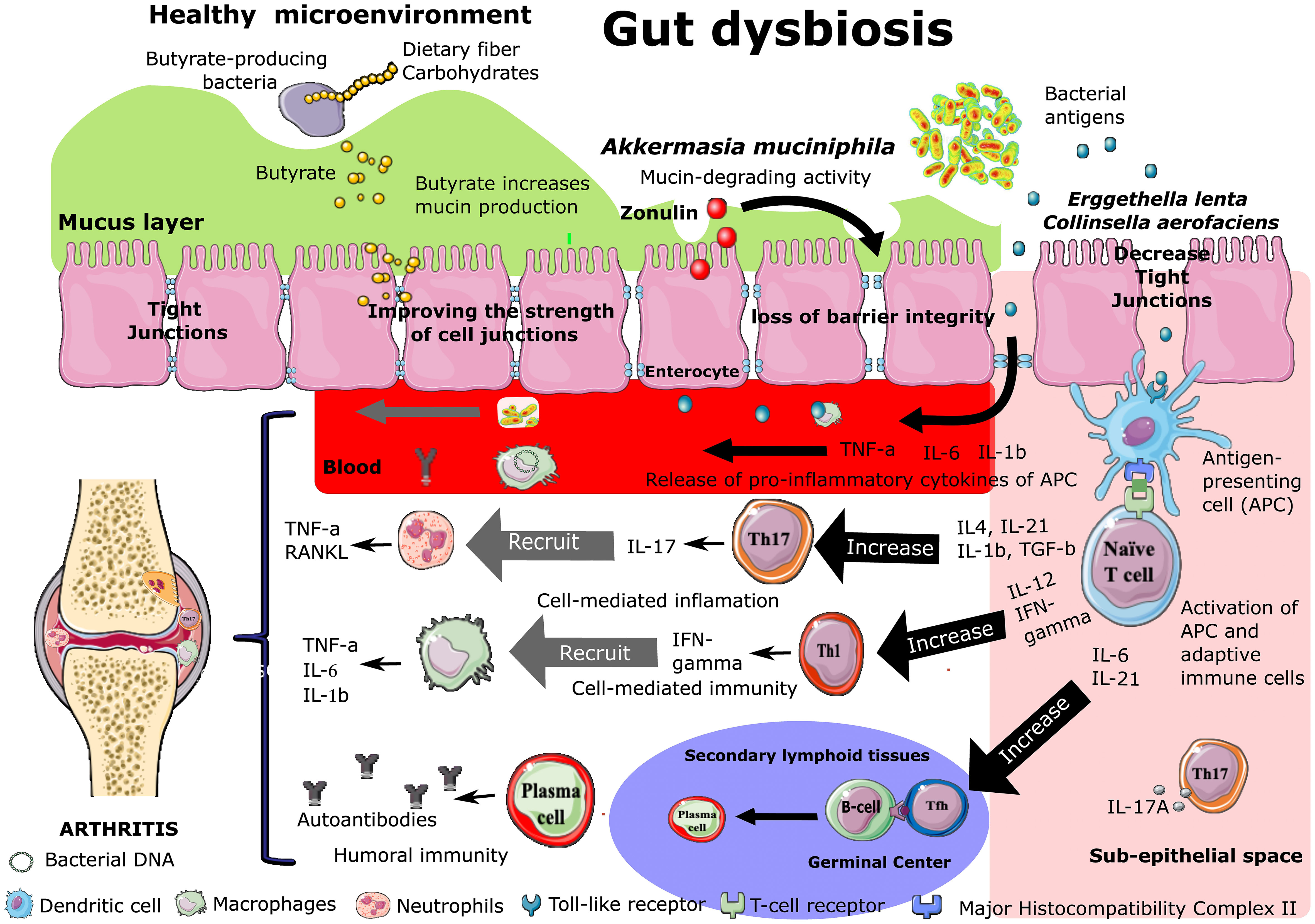
- In a state of dysbiosis and increased intestinal permeability (a "leaky gut"), these endotoxins "leak" from the gut lumen into circulation, an event known as metabolic endotoxemia.
This process is the modern pathophysiological equivalent of Ama being formed in the Koshtha and entering circulation.
The following two articles beautifully articulate this correlation, providing the scientific bridge between the Ayurvedic and modern concepts.
Understanding relationship between concept of Agni, Ama ...
The paper 'Understanding relationship between concept of Agni, Ama ...' directly proposes that Ama can be referred to as lipopolysaccharides in modern terms.
Please read the sections titled 'Ama and Microbial endotoxins in production of the diseases' and the 'Conclusion'. The text explicitly states, 'Dysbiosis causes the release of metabolites (endotoxin) such as the lipopolysaccharides (LPS)' and concludes, 'In modern parlance, Ama may be referred to be lipopolysaccharides'. Pay close attention to how it maps the Ayurvedic disease progression (Samprapti) to the systemic effects of LPS.
WORLD JOURNAL OF PHARMACEUTICAL RESEARCH
To further solidify this, the review on 'AMA AS AN AYURVEDIC INFLAMMATORY MEDIATOR' also draws this parallel with leaky gut syndrome.
Read the short section 'Gut Dysbiosis, Leaky Gut & the Ama Analogy'. It reinforces the concept that the translocation of microbial endotoxins like LPS is conceptually similar to how Ama circulates and causes disease.
4. Systemic Consequences: Srotorodha and Inflammatory Markers
Once Ama (or its modern correlate, LPS) enters circulation, it doesn't remain benign. In Ayurveda, this stage is called Prasara (spreading), where Ama travels throughout the body via the Srotas (channels), eventually causing Srotorodha (obstruction) and lodging in tissues with a predisposition to weakness (Khavaigunya).
In modern pathophysiology, circulating LPS triggers a potent immune response. Immune cells recognize LPS as a sign of bacterial invasion, initiating a cascade that results in chronic, low-grade systemic inflammation. This inflammation is the modern equivalent of the systemic disruption caused by Ama.
This inflammatory state is not just a theoretical concept; it can be measured through specific systemic inflammatory markers.
- Pro-inflammatory Cytokines: Circulating LPS stimulates immune cells to release signaling proteins called cytokines, such as Tumor Necrosis Factor-alpha (TNF-α), Interleukin-6 (IL-6), and Interleukin-1beta (IL-1β). These molecules orchestrate the inflammatory response throughout the body.
- C-Reactive Protein (CRP): IL-6, in particular, travels to the liver and stimulates it to produce C-Reactive Protein (CRP). A high-sensitivity CRP (hs-CRP) test is a common blood test used to measure the level of systemic inflammation.
The sticky and obstructive nature of Ama aligns well with how these inflammatory mediators cause vascular changes, fluid leakage, and cellular dysfunction, effectively "clogging" the system at a micro-level.
The concept of the gut as a source of unease and disease is elegantly captured by Dr. Robert Svoboda, who links it to the Ayurvedic principle of Vata.
Ayurveda & the Microbiome: Gut - Brain Axis Preview
In this preview video, Dr. Svoboda discusses the gut-brain axis and how distress signals from the gut microbiome, which we can now understand as the effect of dysbiosis and Ama, travel to the brain and impact our entire system.
Please watch from 10:54 to 16:47 and 16:58 to 27:40. Dr. Svoboda explains how an 'unsafe' environment for the microbiome (e.g., toxins, processed foods) creates a stress response. He then connects this to Vata and the vagus nerve, explaining how 80% of signals go from the gut to the brain, leading to systemic effects like anxiety and physiological constriction. This physiological constriction is a perfect manifestation of Srotorodha caused by vitiated Vata carrying Ama.
Test your understanding!
A 38-year-old patient complains of persistent bloating, fatigue, brain fog, and generalized body aches (Angamarda). A blood test reveals an elevated hs-CRP level of 4.5 mg/L (a normal level is <1.0 mg/L). How would you explain the potential origin of their symptoms, integrating the concepts from this lesson?
Show answer
-
Ayurvedic Explanation: The patient's symptoms strongly suggest the presence of Ama. The digestive symptoms (bloating) point to Agnimandya as the root cause. The systemic symptoms (fatigue, brain fog, body aches) indicate that Ama has entered circulation (Prasara) and is causing obstruction in the channels (Srotorodha), leading to systemic malaise.
-
Modern Physiological Explanation: The same symptoms can be explained by gut dysbiosis leading to increased intestinal permeability ("leaky gut"). This allows microbial endotoxins (LPS) to enter the bloodstream, triggering a systemic inflammatory response.
-
Integration: The elevated hs-CRP is a measurable systemic inflammatory marker that validates the presence of this inflammation. Therefore, you can correlate the Ayurvedic concept of circulating Ama directly with the modern finding of metabolic endotoxemia and the resulting systemic inflammation quantified by the high hs-CRP. The patient's symptoms are a direct clinical manifestation of this underlying inflammatory state originating from the gut.
Conclusion
Today, we have established a powerful and clinically relevant correlation between a cornerstone concept of Ayurveda and cutting-edge modern science. This is not just a theoretical exercise; it is fundamental to an evidence-based, integrative approach to chronic disease.
Key Takeaways:
- The classical concept of Ama—a toxic, channel-blocking substance formed from impaired Agni—is the Ayurvedic explanation for the origin of many systemic diseases.
- The modern concept of gut dysbiosis, an imbalance in the gut's microbial ecosystem, serves as a direct parallel.
- The most direct correlation is between Ama and microbial byproducts, particularly lipopolysaccharides (LPS), which leak into the bloodstream during dysbiosis.
- The systemic effects of Ama (Srotorodha, Dhatu Dushti) correlate directly with the chronic low-grade systemic inflammation triggered by these endotoxins.
- This inflammation can be measured with systemic inflammatory markers like hs-CRP and pro-inflammatory cytokines (TNF-α, IL-6), providing a quantifiable bridge between the two paradigms.
Understanding this link allows you to see a patient's lab report showing elevated inflammatory markers not just as a number, but as a potential sign of Ama originating from an imbalanced gut.
Preview of the Next Lesson:
Now that we have analyzed Agnimandya and its product, Ama, our next step is to address them therapeutically. In the upcoming lesson, we will evaluate Deepana-Pachana Dravyas (e.g., Trikatu, Chitrakadi) for managing functional dyspepsia (Agnimandya), exploring the classical herbal strategies to restore Agni and digest Ama.