Welcome back! In our recent lessons, we have systematically constructed a robust safety framework for integrative practice. We explored how to anticipate herb-drug interactions, evaluate contraindications for patients with comorbidities, and apply pharmacovigilance principles for ongoing monitoring. These are the essential checks and balances of a responsible clinician.
Today, we bring it all together. This lesson is the capstone of our module, where you will synthesize these principles to address the core learning outcome: to design a safe, integrative treatment plan for a complex case with multiple comorbidities, considering all interactions. We will move from analyzing individual safety rules to architecting a comprehensive, multi-modal therapeutic strategy. For a practitioner aiming to bridge classical Ayurveda with modern evidence—your stated goal—this ability to design safe, effective, and justifiable integrative plans is paramount.
A Systematic Framework for Integrative Case Management
When faced with a complex patient taking multiple medications for several chronic conditions, a haphazard approach is not just inefficient; it's dangerous. A systematic process is essential. We can distill this process into a five-step framework that ensures all critical aspects are considered before and during treatment.
The 5-Step Integrative Planning Framework:
- Comprehensive Assessment: Gather all data from both paradigms. This includes the modern diagnosis, laboratory results, imaging, and a complete list of current allopathic medications. Simultaneously, conduct a thorough Ayurvedic assessment to determine the patient's Prakriti, Vikriti, dominant Doshas, affected Dushyas and Srotas, state of Agni, and to construct the Samprapti (pathogenesis).
- Define Therapeutic Goals: Based on the comprehensive assessment, establish clear, realistic, and shared goals with the patient. These goals should be both Ayurvedic (e.g., Dosha Shamana, Agni Deepana, Srotoshuddhi) and biomedical (e.g., lower HbA1c, reduce blood pressure, improve lipid profile, taper specific medications).
- Safety Screening (The 'Red Flag' Analysis): This is a critical preemptive step.
- Review Allopathic Medications: Identify each drug's class, mechanism of action, and known side effects.
- Anticipate Interactions: Cross-reference the patient's medications with the intended Ayurvedic herbs. Look for potential pharmacodynamic (additive or antagonistic effects) and pharmacokinetic (effects on drug absorption, metabolism, or excretion) interactions.
- Check Contraindications: Ensure that the chosen herbs and therapies are not contraindicated by the patient's comorbidities (e.g., renal or hepatic disease).
- Design the Multi-modal Intervention: Create a holistic plan that includes:
- Ahara (Dietary Plan): Tailored to the patient's condition, Agni, and Dosha, incorporating principles from both Ayurveda and modern nutrition.
- Vihara (Lifestyle Modifications): Including exercise, sleep hygiene, and stress management techniques.
- Aushadhi (Herbal Therapy): Selection of single herbs or classical/proprietary formulations with clear justification based on the Samprapti Vighatana (breaking the pathogenesis). Define dosage, timing, and Anupana (adjuvant).
- Shodhana/Shamana Therapies: Justify the use of Panchakarma or other procedures if indicated.
- Establish a Monitoring and Response Plan:
- Define key subjective and objective parameters for monitoring progress and safety.
- Set a clear follow-up schedule.
- Outline a plan for adjusting the treatment and tapering allopathic medications safely, if appropriate.
- Reinforce the plan for pharmacovigilance: know what to watch for and how to report any suspected ADRs.
Applying the Framework: An Integrative CKD Case
Let's walk through this framework using a real-world example. The following case study details the management of a patient with Chronic Kidney Disease (CKD), Type 2 Diabetes (T2DM), and Hypertension—a classic complex case involving metabolic and systemic disease, directly aligned with your areas of interest.
A Case Study On Integrated Ayurvedic Management Of ...
This case study, 'A Case Study On Integrated Ayurvedic Management Of CKD With Hypertension And Type 2 Diabetes,' provides an excellent blueprint for our analysis. We will dissect it step-by-step.
First, please read the 'INTRODUCTION' and 'CASE REPORT' sections. Focus on how the authors frame the problem from both modern and Ayurvedic perspectives and gather the initial patient data (history, symptoms, vitals, labs). This corresponds to Step 1 of our framework.
Step 1 & 2: Assessment and Goal Setting
As you read, you'll note the dual assessment:
- Modern Assessment: A 69-year-old male with known CKD Stage IV, a 20-year history of T2DM, and a 10-year history of hypertension. Lab reports show elevated serum creatinine and urea, and low hemoglobin.
- Ayurvedic Assessment: The authors correlate the condition with Vataj Pandu (anemia of Vata origin) and Mutraghat (urinary obstruction/dysfunction). The patient presents with symptoms like Shotha (pedal edema), weakness, and insomnia, pointing to a complex Tridoshic imbalance with significant Vata vitiation affecting Rasa, Rakta, Meda, and Mutravaha Srotas.
The therapeutic goal, as stated in the paper's objective, is to assess the impact of the integrated interventions, which clinically translates to:
- Improving renal function (reducing creatinine and urea).
- Managing blood pressure and blood sugar.
- Alleviating symptoms like edema, weakness, and insomnia.
- Improving overall quality of life.
Step 3: Safety Screening ('Red Flag' Analysis)
The paper states the patient continued his prescribed allopathic medicines: Amlodipine 5mg BD and weekly subcutaneous Erythropoietin. This is where our safety analysis becomes crucial.
- Amlodipine: A calcium channel blocker used to treat hypertension. Its primary action is vasodilation.
- Erythropoietin: A hormone to stimulate red blood cell production, addressing the anemia secondary to CKD.
Now, let's consider the proposed Ayurvedic interventions. The plan involves herbs like Gokshura and Punarnava, which are well-known for their Mutravirechaka (diuretic) and Shothahara (anti-inflammatory) properties.
- Potential Interaction: The diuretic action of these herbs can lower blood pressure. When combined with Amlodipine, there is a potential for a pharmacodynamic synergistic/additive interaction, leading to hypotension (an excessive drop in blood pressure).
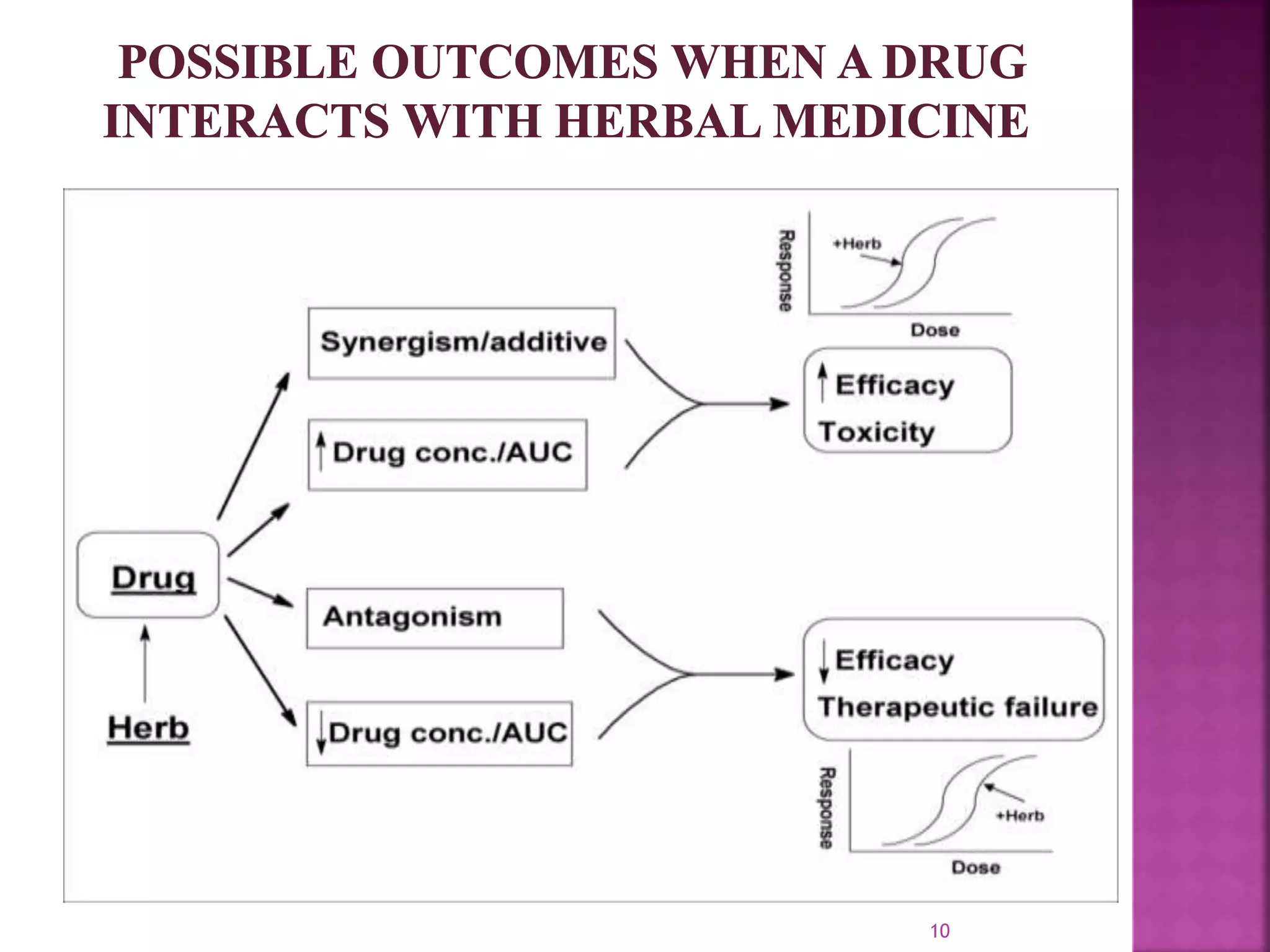
This doesn't mean the combination is absolutely contraindicated. It means the treatment plan must include vigilant monitoring. The clinicians in this study did exactly that, as shown in the hypertension chart (Table 4). If the patient's BP had dropped too low, the response plan would involve adjusting the dosage of either the herbs or the Amlodipine.

Step 4 & 5: Designing and Monitoring the Intervention
Now, let's examine the comprehensive plan the clinicians designed and how they monitored it.
A Case Study On Integrated Ayurvedic Management Of ...
Please read the 'Treatment Plan' section and review the tables detailing the interventions and their ingredients.
Read through the 'Treatment Plan', which covers Diet (I), Lifestyle (II), and Panchkarma (III). Then, review 'Table 5' and 'Table 6' which detail the Ayurvedic medications. Finally, skim the 'DISCUSSION' section which explains the rationale behind the choices. This covers Steps 4 and 5 of our framework.
The multi-modal plan is a superb example of our framework in action:
- Ahara (Diet): A specific, kidney-friendly diet was provided (Fig 2).
- Vihara (Lifestyle): Recommendations included yoga, walking, and a structured daily routine (Fig 3).
- Aushadhi (Herbal Therapy): A combination of proprietary formulations was used (e.g., Dr. CKD Tablet, GFR Powder). Table 6 is particularly valuable as it links the ingredients to their therapeutic actions (Mutravirechaka, Shothahara, Rasayana), providing a clear rationale. The selection targets the Samprapti from multiple angles.
- Shodhana Therapy: A course of Basti (therapeutic enema) with Punarnava and Gokshura, and Shirodhara with Brahmi oil was administered. The Basti targets the vitiated Apana Vata at its root, while Shirodhara helps manage the stress and hypertension components.
- Monitoring: The clinicians diligently tracked vitals, symptoms, and key lab parameters (hemoglobin, urea, creatinine) throughout the treatment, as shown in the tables. The significant improvements noted in the 'RESULT' section demonstrate the plan's effectiveness, and the close monitoring ensured its safety.
A Second Perspective: The "Panchsutri" Framework
While our 5-step framework is a robust mental model, different clinical systems often formalize their own structured approaches. Seeing another example can reinforce the underlying principles.
Integrative Ayurvedic Intervention in the Holistic ...
The following case study on managing Dyslipidemia, Hypothyroidism, and ACS uses a framework called 'Panchsutri Chikitsa'. It's another excellent example of a systematic integrative approach.
Please read the 'Abstract' and the 'Panchsutri Methodology' section. Notice how this 5-point method mirrors the principles we've discussed.
The Panchsutri (Five-Point) Methodology consists of:
- A calorie-restricted diet.
- Panchakarma detoxification.
- Physical activity (yoga and exercise).
- Continuous clinical and biochemical monitoring.
- Supervised tapering of allopathic drugs.
You can see the clear parallels. This is essentially the same systematic, multi-modal, and safety-conscious process, just packaged into a different, named framework. The inclusion of "drug tapering" as an explicit point highlights a key goal of integrative medicine: reducing pill burden where clinically appropriate and safe.
Test your understanding!
Let's consider a new case:
A 58-year-old male was diagnosed with Type 2 Diabetes and Hypertension 5 years ago. He is currently taking Metformin 500mg BD and Ramipril 5mg OD. His HbA1c is 8.2% and BP is 145/95 mmHg. He complains of fatigue, frequent urination, and constipation. He wants to integrate Ayurveda to better manage his condition and potentially reduce his medication reliance.
Using the 5-step framework, outline the key considerations and safety checks you would perform before designing a detailed treatment plan. You do not need to prescribe specific herbs, but you should identify the types of interventions and the specific safety concerns to address.
Show answer
Here's an outline based on the framework:
-
Comprehensive Assessment:
- Modern: Review history, current meds (Metformin, Ramipril), lab reports (HbA1c, renal function, electrolytes).
- Ayurvedic: Assess for Prameha and its complications. Determine Dosha dominance, state of Agni (likely Mandagni), and Srotas involved (Mutravaha, Annavaha). Note the constipation (Vibandha), suggesting Vata imbalance.
-
Define Therapeutic Goals:
- Improve glycemic control (lower HbA1c).
- Improve blood pressure control.
- Relieve constipation and fatigue.
- Improve Agni function and clear Ama.
- Long-term goal: Taper medications if clinical parameters stabilize in a safe range.
-
Safety Screening ('Red Flag' Analysis):
- Metformin + Ayurvedic Herbs: Metformin's primary risk is lactic acidosis (rare) and GI upset. Many anti-diabetic herbs (Guduchi, Amalaki, Jambu) can have hypoglycemic effects. Combining them creates a risk of additive hypoglycemia. The plan must include regular blood sugar monitoring and patient education on hypoglycemic symptoms.
- Ramipril + Ayurvedic Herbs: Ramipril is an ACE inhibitor.
- Hypotension Risk: Like the previous case, herbs with diuretic or BP-lowering properties (Gokshura, Punarnava, Arjuna) can have an additive hypotensive effect. Frequent BP monitoring is mandatory.
- Hyperkalemia Risk: ACE inhibitors can increase potassium levels. Some Ayurvedic herbs can also affect electrolytes. It's crucial to avoid high-potassium herbs or supplements and to monitor serum potassium levels, especially if renal function is borderline.
-
Design the Multi-modal Intervention (Outline):
- Ahara: A Kapha-Vata Shamaka diet low in simple carbohydrates and unhealthy fats, high in fiber.
- Vihara: Regular exercise (e.g., brisk walking) and yoga asanas known to support metabolic function.
- Aushadhi:
- For diabetes: Herbs with Pramehahara properties that also support Agni (e.g., formulations containing Haridra, Amalaki).
- For hypertension: Hridya (cardioprotective) and mild diuretic herbs (e.g., Arjuna).
- For constipation: A mild, non-habit-forming laxative that balances Vata (e.g., Triphala).
- Shamana Therapy: Start with Deepana-Pachana herbs to address the underlying Agni-mandya and Ama.
-
Monitoring & Response Plan:
- Monitoring: Schedule weekly/bi-weekly follow-ups initially. Track home blood sugar and BP readings, symptomatic relief (fatigue, constipation), and periodic lab tests (HbA1c, KFT, electrolytes).
- Response: Have a clear plan to adjust herbal dosages based on monitoring. Any medication tapering must be done gradually and in consultation with the patient's primary physician.
Conclusion
Today we have elevated our understanding from individual safety rules to a comprehensive design philosophy. By consistently applying a systematic framework, you can confidently and responsibly create integrative treatment plans for patients with complex health needs.
Key Takeaways:
- Designing safe integrative care for complex cases requires a structured, multi-step process, not improvisation.
- The 5-step framework (Assessment, Goals, Safety Screening, Design, Monitoring) provides a reliable blueprint for this process.
- Safety Screening is non-negotiable. It involves proactively identifying potential herb-drug interactions and contraindications before starting treatment.
- A well-designed plan is multi-modal, addressing diet, lifestyle, and targeted therapies (Aushadhi, Panchakarma).
- Effective treatment is a dynamic process that depends on continuous monitoring and a readiness to adjust the plan based on the patient's response.
Preview of the Next Lesson:
We have now concluded our deep dive into the practical aspects of safety and personalization in integrative care. In our final lesson for this module, we will take a step back and look toward the future. The topic is: "Propose a conceptual framework for integrating Prakriti assessment into modern precision medicine." This will be a more theoretical and forward-thinking session, allowing you to connect the ancient wisdom of Prakriti with one of the most exciting frontiers of modern healthcare.