Introduction
In our last session, we constructed a detailed data collection template for Event 1, creating a systematic blueprint to guide our search for evidence related to the cuckold-hotwife dynamic. This process transformed our abstract hypotheses into a concrete plan for targeted evidence gathering.
We now turn our focus to Event 2: the victory in the boudoir lingerie photoshoot competition. Before we can design a similar collection template, we must first complete a foundational step: identifying the potential sources of evidence. This lesson is dedicated to mapping out the landscape of information available to us. For a statistician, this is analogous to the initial survey of potential datasets before designing a study. For an investigator, it's about identifying every person, place, and thing that might hold a clue. Our objective is to cast a wide net and catalog all the sources that could contain the "fingerprints" of our proposed causes.
The Search for Causal 'Fingerprints'
In process tracing, we don't just describe an event; we seek to explain it by uncovering the causal mechanisms at work. This requires a forensic mindset. We are looking for the traces, or "fingerprints," left behind by the actions, decisions, and conditions that led to the outcome.
The concept of process tracing as "detective work" is a powerful one. It reminds us that evidence is rarely handed to us in a neat package. Instead, we must actively search for it, knowing what we are looking for in advance.
[PDF] Process Tracing - HAL Sciences Po
This document provides a concise overview of process tracing, framing it as a form of "detective work." It emphasizes the importance of anticipating the evidence you expect to find.
First, read the introductory section "What does this method consist of?" to solidify the concept of searching for "fingerprints." Then, in the second part of the document, focus on the paragraph that begins "The second phase consists in testing". This section explains the need to anticipate the type of evidence required to boost confidence in our theories, which is precisely our task today.
With this "detective" mindset, let's systematically identify the potential sources of evidence for Event 2. We can group these into three main categories: competition-generated materials, participant accounts, and personal artifacts.
1. Competition-Generated Materials
This category includes all the official documentation and media produced as part of the competition itself. These sources provide the most objective record of the event's public-facing aspects.
- Official Photography and Videography: This is our primary visual record. It allows us to directly observe the contestant's performance, her attire, her physique, and her posing. Crucially, it also allows for direct comparison with the other competitors on these same dimensions. This is the raw data for testing claims about physical uniqueness and posing skill.
- Judge Scorecards and Written Deliberations: If accessible, these are invaluable. They represent the "ground truth" of the formal evaluation process. We would look for:
- Quantitative scores for specific criteria (e.g., "Presentation," "Confidence," "Theme Interpretation").
- Qualitative comments or notes that might reveal the judges' reasoning. A note like "bold choice, great contrast with her bio" would be a powerful piece of evidence for H2 (Attire/Persona Contrast).
- Competition Rules and Judging Criteria: This document establishes the formal framework for the decision. It tells us what the judges were supposed to be looking for. We can then compare the stated criteria against the evidence of their actual decision-making to see if unstated factors, like our hypothesized contrast effect, played a role.
- Website, Social Media, and Promotional Materials: These materials help establish the context. How were contestants introduced? Was there any public voting or audience feedback component? Was the winner's "shy" background mentioned in her official bio? This is a key source for establishing the public persona part of H2.
2. Participant Accounts
While official materials provide a record of the event, participant accounts give us access to the intentions, perceptions, and behind-the-scenes dynamics that are crucial for understanding why things happened. These are typically gathered through qualitative methods like interviews.
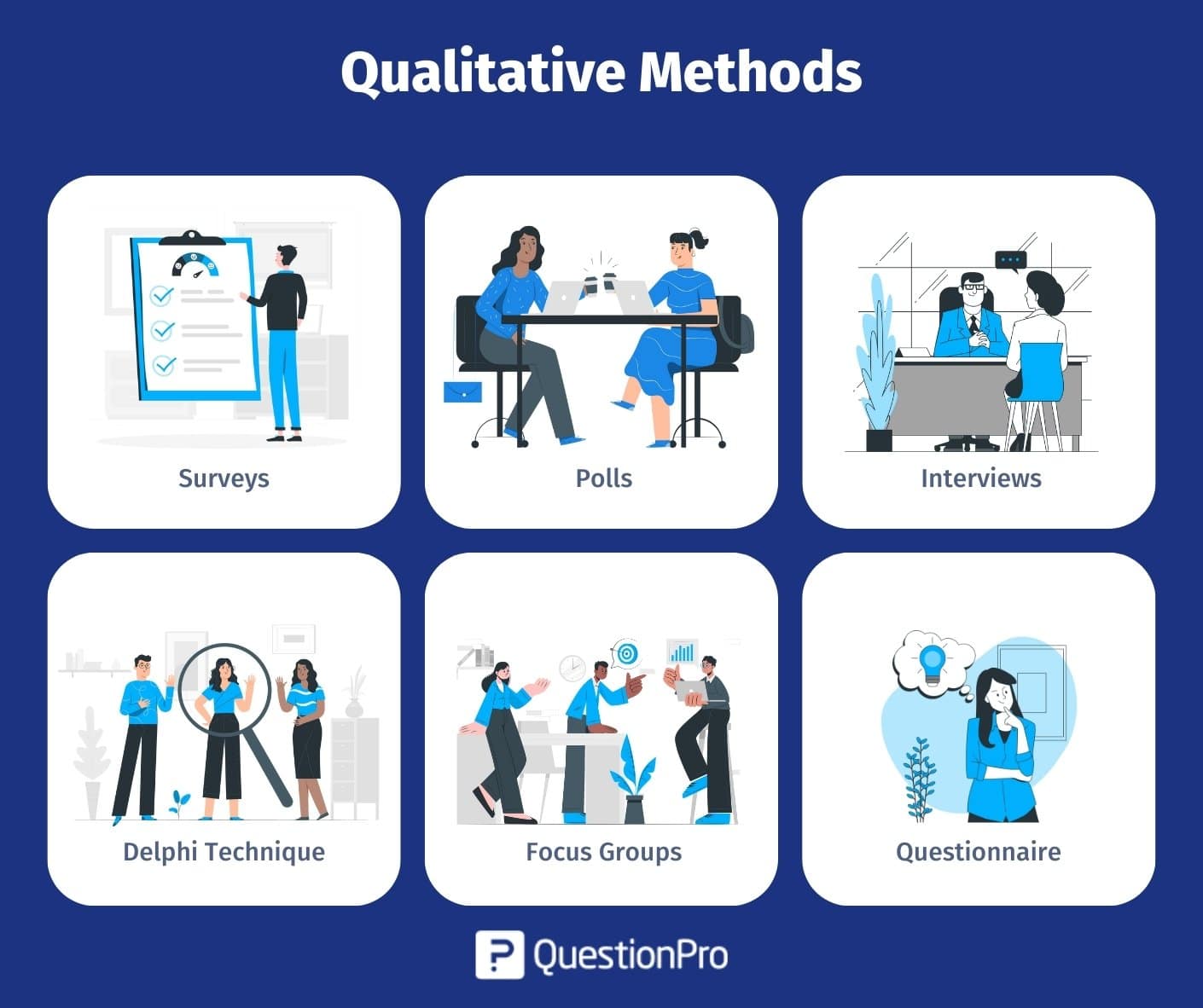
Key individuals to interview would include:
- The Winner: Her testimony is central. We would explore her motivations, her preparation process, and especially her decision-making regarding the lingerie choice. Why did she choose that specific piece? Was she consciously playing against a perceived "shy" type? How does she account for her victory?
- The Judges: Interviews with the judges are critical for testing our hypotheses. We can probe their recollections of the winner. Did her physique stand out? Did the contrast between her background and her presentation have an impact on them? Did they discuss this contrast during deliberations? Their accounts are the most direct way to test the causal mechanisms leading from the contestant's attributes to the final decision.
- Competitors: Interviewing other contestants provides a vital comparative perspective. How did they perceive the winner? Did they view her physique or attire as a significant advantage? Their views can help triangulate the evidence and control for the winner's own potential biases.
- Audience Members: If the conclusion notes she was a "crowd favorite," evidence is needed. This could come from informal interviews, or analysis of online comments on competition media.
3. Physical and Digital Artifacts
This category includes tangible objects and digital footprints that can serve as evidence.
- The Lingerie Itself: As a physical artifact, the winning garment is a key piece of evidence. Given your experience in lingerie design, you can analyze it with an expert eye. We can assess its construction, fabric, and cut. Does the design itself possess unique qualities that could be a rival explanation (Rival H: Lingerie Quality)? Or does its design primarily serve to accentuate the wearer's specific physical attributes, thus supporting H1 (Body Type)?
- Contestant's Pre-Competition Social Media: This is a crucial source for establishing the "shy persona" baseline for H2. We would analyze the content, tone, and imagery of her public-facing digital presence before the competition. A history of modest posts would be a "hoop test" for the contrast hypothesis; the contrast cannot exist without a baseline.
- Preparation Materials: This could include anything from early design sketches of the lingerie to notes from a posing coach or a log of her workout regimen. These artifacts can provide direct evidence for or against rival hypotheses like professional coaching or superior design.
To make the "body type" hypothesis more concrete, consider how fashion and apparel industries use classification systems.
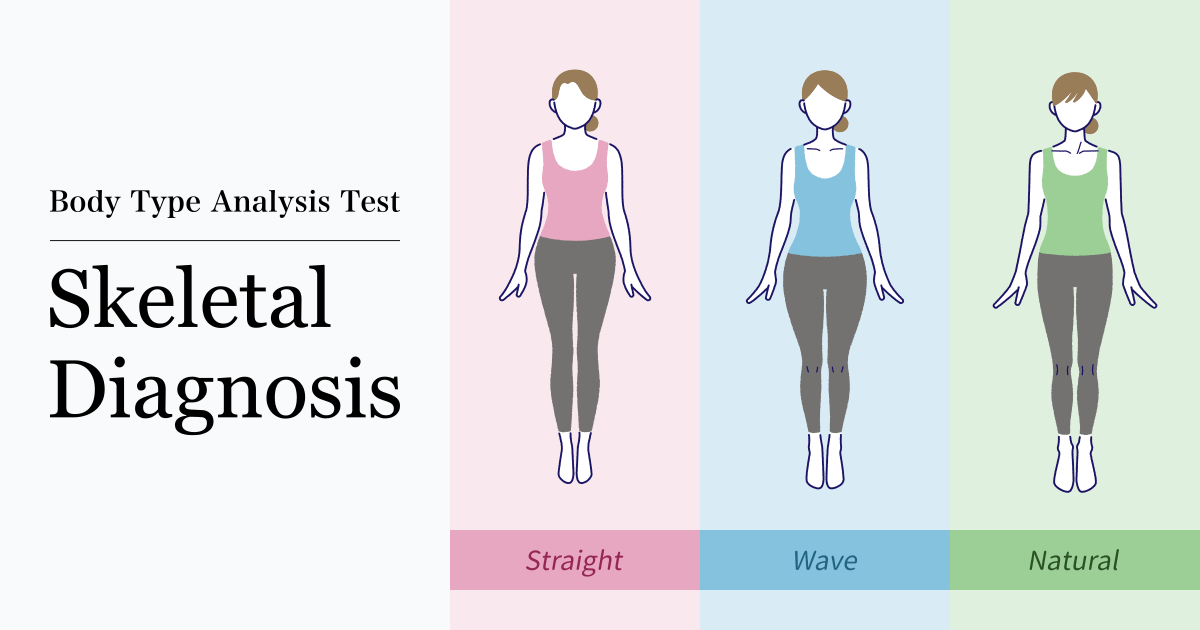
Just as this system defines types like "Straight," "Wave," and "Natural," our investigation must treat "toned yet well-endowed" as a specific category and seek evidence that this category was perceived as uniquely advantageous by the judges when compared to the other contestants.
Tying Sources to Hypotheses
Let's map these sources to the hypotheses we need to test.
| Hypothesis | Primary Evidence Sources |
|---|---|
| H1: Body Type Advantage | Competition Photos/Videos (to compare physiques), Judge Scorecards/Interviews (to see if physique was noted as a factor), Competitor Interviews (to gauge their perception of her physical advantage). |
| H2: Attire/Persona Contrast | Contestant's Social Media (to establish "shy" baseline), Winner's Interview (re: intent), Judge Interviews (re: the effect of "surprise"), Competition Bio (to confirm her stated background). |
| Rival H3: Superior Posing Skill | Competition Videos (for direct analysis of posing technique vs. others), Judge Scorecards/Interviews (for scores/comments on posing), Preparation Materials (e.g., notes from a coach). |
| Rival H4: Superior Lingerie Design | The Lingerie Itself (for expert analysis of cut, fabric, innovation), Winner's Interview (to see if she credits the designer), Preparation Materials (e.g., design sketches, communication with a designer). |
This initial mapping shows that we have plausible sources to investigate each of our causal claims.
Conclusion
We have now surveyed the evidential landscape for Event 2, identifying a rich and varied set of potential sources. By approaching the task like a detective, we've anticipated where the "fingerprints" of our hypothesized causes might be found.
The key takeaways from this lesson are:
- Evidence gathering for a single-case study requires a systematic search across three main categories: official records, participant accounts, and physical/digital artifacts.
- Each potential source holds clues relevant to different parts of our causal story, from objective performance data in competition videos to subjective reasoning in judge interviews.
- By explicitly mapping sources to hypotheses before collection begins, we ensure our investigation will be both comprehensive and targeted.
We have our list of sources. However, not all evidence is created equal. A judge's off-hand comment is different from a formal scorecard; a contestant's self-serving explanation is different from a video recording. In our next lesson, we will address this directly by assessing the reliability and potential biases associated with each of these sources for Event 2.