Hello! Welcome to the third lesson in our course.
In our last session, we focused on the craft of writing ethically, translating experiences of pain into descriptive, non-clinical language. We practiced moving from "telling" (labeling an emotion) to "showing" (describing its lived reality). This implicit ethical stance is crucial for building trust with your reader.
Today, we will make that implicit promise explicit. Our learning outcome is to formulate a clear 'scope of practice' statement for your book's introduction to manage reader expectations. Think of this not as a dry legal requirement, but as the moment you look your reader in the eye and make a clear, honest pact with them. It’s where you define the safe space you are creating, clarifying what the book offers (validation, understanding) and what it does not (therapy, diagnosis, cures).
1. Understanding the Purpose of a Scope Statement
For a book that delves into deep emotional territory like burnout and loneliness, explicitly stating its purpose and limitations is an act of care. It protects the reader from false hope and protects you, the author, by establishing clear ethical boundaries.
This kind of statement is often called a "disclaimer," but I prefer to think of it as a "statement of purpose" or a "scope statement" because its goal is to build trust through transparency.
Let's begin by understanding the fundamentals. The following resource provides a clear overview of different types of disclaimers and why they are important.
Everything You Need To Know About Medical Disclaimers
The article 'Everything You Need To Know About Medical Disclaimers' from Usercentrics is a useful starting point. While your book isn't a medical text, it touches on mental and emotional health, making this distinction vital.
Please read the following parts: 'What’s the difference between a medical disclaimer vs. health disclaimer?': Pay close attention to this distinction. Your book fits into the 'health/wellness' category, but its subject matter requires the clarity of a 'mental health' disclaimer. 'Why is a medical disclaimer important?': Focus on the sections on 'Managing user expectations' and 'Ethical responsibility.' These align directly with your goal of creating a safe and validating reader experience. 'Mental health disclaimer example': Note the clear, direct language used in the example provided.
The key insight from this resource is that a scope statement serves two crucial functions for your book:
- Manages Expectations: It tells the reader upfront that this is a book for reflection, not a replacement for professional care. This prevents them from seeking solutions the book was never designed to provide.
- Demonstrates Ethical Responsibility: It shows you understand the weight of your topic and are committed to the reader's well-being, which deepens their trust in your authorial voice.
2. Crafting the Language: Clarity, Firmness, and Empathy
A scope statement must be unambiguous, but it doesn't have to be cold or legalistic. The tone should match the rest of your book: calm, respectful, and grounded.
The following resource is a superb real-world example of how to strike this balance. It's from a practice run by a physician associate who offers wellness services, so they are an expert in setting clear professional boundaries in a caring context.
Medical Disclaimer & Terms of Use
The 'Medical Disclaimer & Terms of Use' from BeFreePractice.com provides excellent model language. Notice how it integrates firm boundaries into a supportive framework.
Please study these sections as templates for your own writing: 'THE PURPOSE OF OUR WEBSITE': This is a great example of positively framing what the content is for ('informational and educational purposes only... a self-help tool'). 'NOT MEDICAL ADVICE' and 'NOT MENTAL HEALTH ADVICE': These sections are goldmines of precise, effective phrasing. Pay attention to phrases like 'not intended to diagnose, treat, cure or prevent,' 'not a substitute for consultation,' and the critical advice to 'never disregard any medical advice... because of information you have read.'
Deconstructing this example reveals a powerful structure you can adapt for your book's introduction:
- Start with the Positive Promise: Begin by stating what the book is. Use phrases like "for informational and educational purposes," "a space for reflection," or "a tool for self-understanding."
- Create a Clear Boundary: Explicitly state what the book is not. This is where you use firm, unambiguous language: "This book is not a substitute for professional medical or mental health advice, diagnosis, or treatment."
- Empower the Reader: Encourage readers to seek professional help and reinforce their agency. Remind them not to alter treatments or delay seeking care based on what they read. This respects their autonomy and reinforces your ethical position.
3. Integrating the Scope Statement into Your Introduction
Your scope statement shouldn't feel like a legal footnote awkwardly pasted into your introduction. It should be an integral part of the book's identity—an identity built on honesty and a rejection of easy clichés.
Think of how some book covers immediately signal their honest approach.
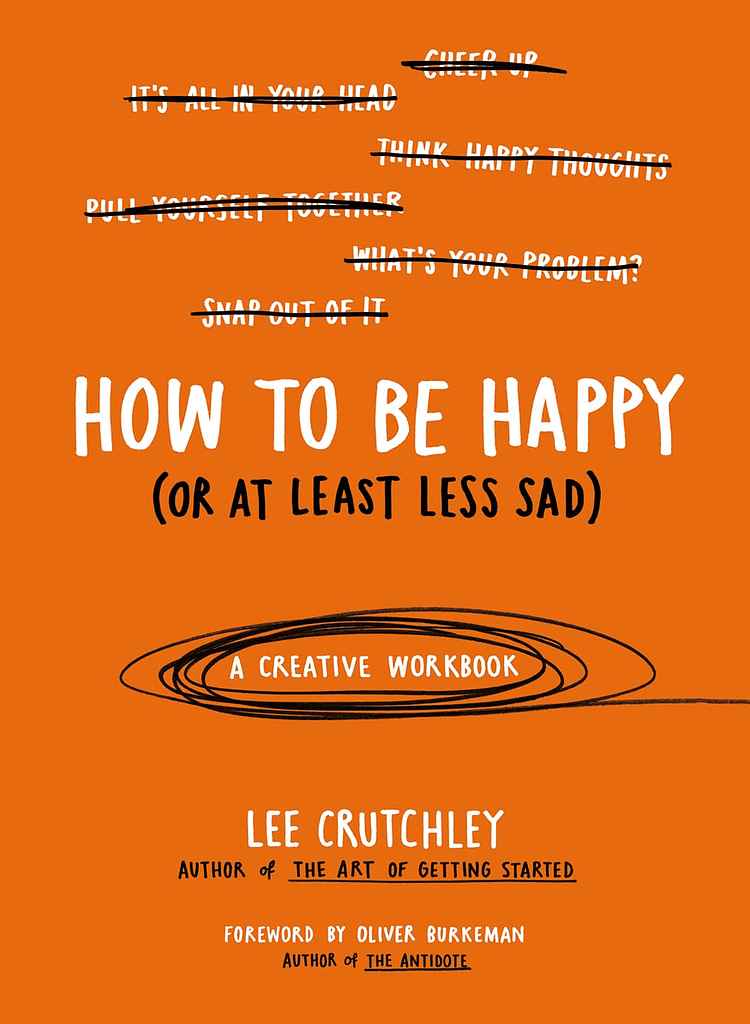
Your statement of purpose is a verbal equivalent of this visual honesty. It tells the reader, "I see you, I respect your struggle, and I will not offer you platitudes or false promises."
To weave this into your introduction, you can frame it with empathy. For example:
- Begin with validation: "This book was written for anyone who feels tired, unseen, or overwhelmed. It is intended as a quiet companion for navigating difficult emotional landscapes."
- State the purpose and boundary: "Its purpose is to offer clarity and understanding, not to provide medical advice or therapy. The stories and reflections within are for educational and informational purposes only and are not a substitute for professional psychological or psychiatric care."
- End with empowerment: "If you are struggling, I encourage you to seek support from a qualified professional. My hope is that these pages will serve as a validation of your experience and a reminder that you have permission to seek the care you deserve."
This flow moves from an empathetic hook to a clear boundary and finally to an empowering call to action, making the "disclaimer" an essential and compassionate part of your opening message.
Test your understanding!
Using the principles and examples we've discussed, draft a 3-4 sentence 'scope of practice' statement for your book's introduction. Your goal is to balance the empathetic tone of your project with the necessary clarity of a disclaimer.
Show answer
Here is one possible version. Your draft should similarly balance a soft opening with a clear boundary.
Example Draft:
"This book is intended as a space for quiet reflection, one that gives name to the feelings of burnout and loneliness that are so hard to articulate. It is designed for informational and educational purposes, offering validation without diagnosis, and should not be used as a substitute for professional medical or mental health treatment. If what you read here resonates deeply, please consider it a sign that you deserve to be supported by a qualified therapist or healthcare provider."
- Why it works: It starts with the book's empathetic promise ("a space for quiet reflection"). It then states its limitations clearly ("should not be used as a substitute"). Finally, it reframes the reader's potential distress as a positive signal to seek help, which is an empowering and non-judgmental stance.
Conclusion
Today, we've built the crucial framework for your book's ethical promise to the reader. By formulating a clear, empathetic, and unambiguous scope statement, you create a foundation of trust that will support the entire reader journey.
Key Takeaways:
- A Scope Statement is an Ethical Pact: It's a transparent agreement with your reader about the purpose and limits of your book.
- Clarity is Kindness: Use unambiguous language to state that your book is for informational purposes and is not a substitute for professional help.
- Integrate, Don't Isolate: Weave your scope statement into the introduction using an empathetic and empowering tone that aligns with your overall authorial voice.
- The Goal is Trust: A well-crafted statement manages expectations, demonstrates ethical responsibility, and ultimately makes the reader feel safer and more seen.
In our next lesson, we will build directly on this foundation. Having established the book's boundaries, we will define the book's core promise to the reader, ensuring it aligns with the goal of providing validation without offering cures. We will move from what the book isn't to articulating, with precision and heart, what it is.