Hello. In our previous lessons, we've done the essential work of deconstructing the raw, painful experiences at the heart of your book—burnout, identity loss, and the isolating shame of financial hardship. Now that we have a deep understanding of these individual themes, our focus must shift from analysis to architecture.
Today's lesson addresses the learning outcome: Sequence chapter themes to create a safe emotional journey for the reader. This is a critical step in fulfilling your book's primary purpose: to make the reader feel deeply understood without overwhelming them. We will move from the what of your content to the how of its presentation, structuring a path that guides your reader from a place of quiet despair toward one of grounded reflection.
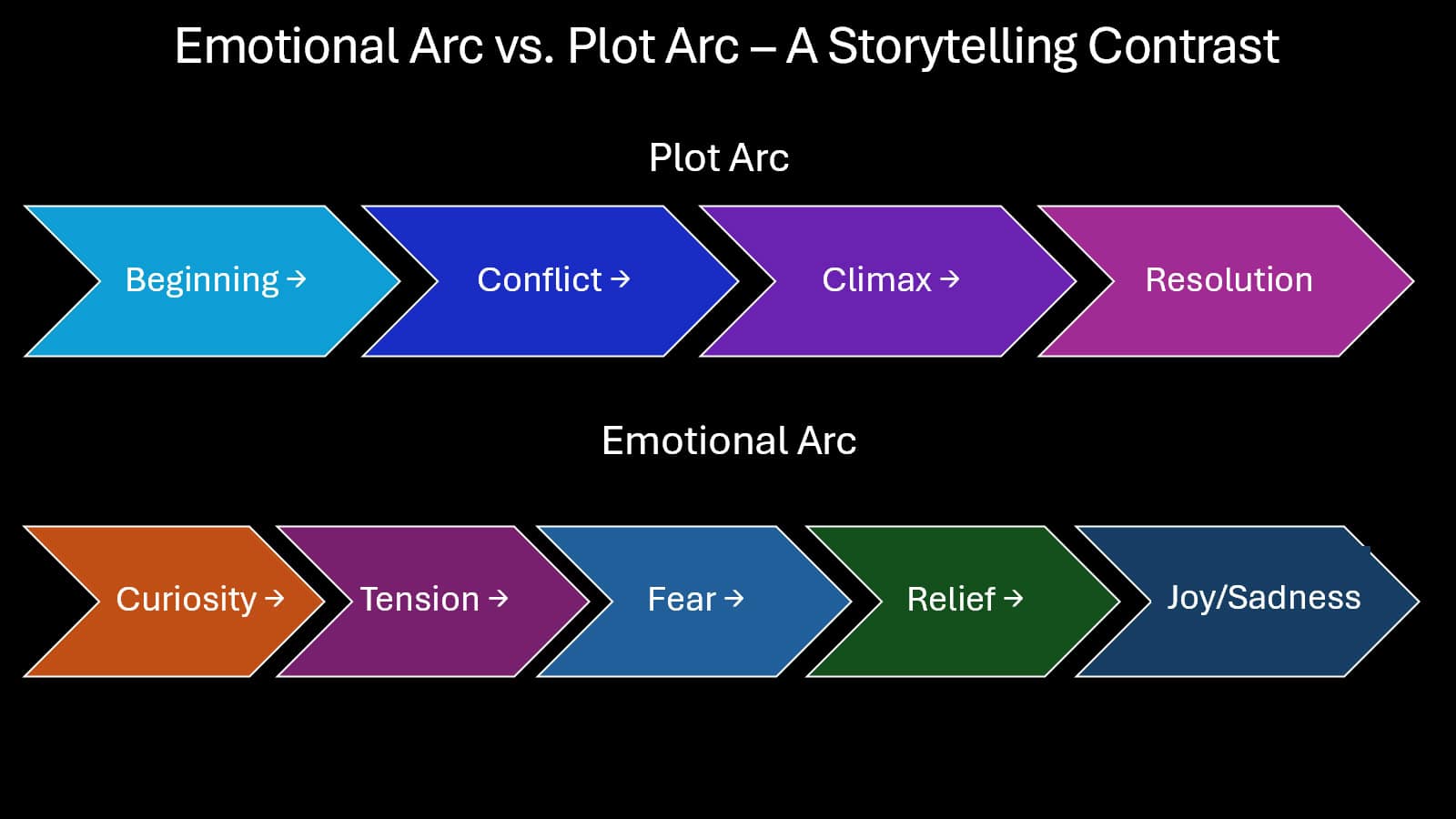
The Emotional Arc vs. The Plot Arc
In nonfiction, especially in a book like yours, the sequence of chapters acts as the "plot." But this plot must serve a more important master: the reader's emotional arc. The goal is not simply to present information logically, but to curate an emotional experience that is validating, safe, and ultimately, restorative.
1. The Reader's Journey as Your Compass
To build a safe journey, you must start with a clear vision of the person you are writing for and where they are right now. When this reader picks up your book, they are likely feeling exhausted, alienated, and fragile. Your first responsibility is to meet them where they are.
The concept of the "ideal reader" is a powerful tool for this. It’s not a marketing abstraction but a profound act of empathy. By picturing a single, real person who needs this book, you can intuitively answer the most important structural question: "What do they need to hear first?"
The following video offers a simple, powerful method for outlining a book based on this principle.
#1 Secret to Writing Your Self-Help Book
In '#1 Secret to Writing Your Self-Help Book,' Kelly Notaras from KN Literary Arts explains how to build your book's structure around the needs of your ideal reader. This transforms outlining from a mechanical task into an empathetic conversation.
Please watch the segment from 02:32 to 03:59. Pay close attention to the questions she poses: 'What is the first thing this person would need to know?' and '...what would they need to know next?' This is the foundational logic for creating your book's emotional journey.
For your book, the answer to "What do they need to know first?" is almost certainly: "That you see them, and that they are not alone."
This means your initial chapters must focus on broad, immediate validation. You need to name the feelings people struggle to articulate, like "I’m so tired of pretending I’m okay," before you begin dissecting more complex or acute topics like identity loss or deep-seated anger. Your first chapters build the trust necessary for the reader to continue the journey with you.
2. Emotional Pacing: The 'Long, Perilous Hike'
Once trust is established, the journey can deepen. However, a relentless series of heavy topics can be just as alienating as toxic positivity. It can lead to what is sometimes called "trauma fatigue" in the reader. A masterful writer creates a structure that modulates this intensity, providing moments of rest and reflection between more challenging explorations.
Author Aggie Stewart, in her analysis of trauma memoirs, provides a superb framework for this. She likens the structure of a difficult narrative to a "long, perilous hike" with peaks and valleys.
Bringing Dark Events to Light: Emotional Pacing in the Trauma Narrative
The essay 'Bringing Dark Events to Light: Emotional Pacing in the Trauma Narrative' is a masterclass in structuring emotionally difficult material. It offers the kind of nuanced, craft-focused insight that is central to your project.
Please read the following sections from this essay: Introduction: Start from the beginning and read down to the paragraph ending '...its weight and impact.' This introduces the central problem of how to write about dark experiences without overwhelming the reader. The Craft of Emotional Pacing: Read this short section to understand the four dimensions that shape emotional pacing: tone, driving questions, message, and structure. I Know Why the Caged Bird Sings by Maya Angelou: Focus on the analysis of this memoir's structure. Read the paragraphs describing the 'long, perilous hike,' the 'two-mountain-peak shapes,' and the 'valley in between.' This analysis of Angelou's work provides a concrete model: interspersing intense 'peak' events with calmer, more reflective chapters that act as 'valleys,' giving the reader space to process and breathe.
The key insight here is that the journey isn't a straight, uphill climb into darker and darker territory. A safe emotional journey has a rhythm. After exploring a "peak" of intense pain (like the loss of identity after a divorce), you can guide the reader into a "valley"—a chapter that might be more explanatory or reflective, such as one describing the protective function of numbness. This validates their experience while also lowering the emotional temperature, preparing them for the next part of the journey.
Your Task: Sequence Your Chapter Themes
In Module 2, you grouped your 30 source phrases into thematic clusters for potential chapters. Now, your task is to arrange those themes into a proposed table of contents that reflects a safe and intentional emotional arc.
Assume you have chapters based on themes like:
- The weight of performative wellness ("I'm tired of pretending I'm okay")
- Deep loneliness and alienation ("No one understands")
- Burnout and depletion ("I'm not lazy, I'm broken")
- Identity loss ("I don't know who I am anymore")
- The desire for escape ("I just want to disappear")
- The fear of asking for help
- Anger and resentment
- Quiet resilience ("I'm not giving up, I'm just tired of fighting")
Instructions:
- List 6-8 chapter themes in the order you believe creates the safest, most validating journey for your reader.
- For each chapter in your sequence, write a one-sentence rationale explaining why it belongs in that position. Refer to the principles we've discussed today (e.g., "This chapter comes first to offer immediate validation," or "This serves as a 'valley' after the intensity of the previous chapter").
Example Structure:
- Chapter 1: The Weight of Pretending. Rationale: This is a broad, highly relatable entry point that immediately validates the reader's core feeling of exhaustion.
- Chapter 2: The Loneliness Epidemic. Rationale: This chapter builds on the initial validation by exploring the feeling of isolation, a central theme, before diving into more specific causes of pain.
- Chapter 3: Burnout: The Anatomy of 'Done'. Rationale: This is the first 'peak,' tackling a major theme directly now that trust has been established.
- Chapter 4: The Protective Veil of Numbness. Rationale: This serves as a reflective 'valley,' explaining a coping mechanism (dissociation) rather than focusing on active pain, giving the reader a cognitive rest point.
- ...and so on.
Your final chapter should naturally lead to the book's core message of "internal permission to rest."
Conclusion
Structuring a book like this is an act of deep care. By thoughtfully sequencing your themes, you are not just organizing content; you are holding a space for your reader to feel their way through difficult truths safely.
Key Takeaways:
- Reader-First Sequencing: The order of your chapters should be determined by what your ideal reader needs to feel safe and understood at each stage of their journey.
- Start with Broad Validation: Begin with chapters that address the most universal and immediate feelings of your audience to build trust and rapport.
- Modulate Emotional Intensity: Use a "peak and valley" structure. Alternate intensely emotional chapters with more reflective or explanatory ones to prevent reader fatigue and create space for processing.
- Guide Towards an Exhale: The overall arc should move from naming the pain to understanding its contours, and finally, toward a place of quiet self-permission and resilience.
In our next lesson, we will zoom in further. Having established the book's macro-structure, we will explore how to design the internal structure of each chapter to introduce heavy topics gently and provide cognitive "rest points" using techniques like white space, paragraphing, and grounding passages.