Introduction
Welcome back to our course on advanced Swasthawritta. In our previous lesson, we successfully formulated a comprehensive Swasthawritta plan for Sthaulya (obesity), where lifestyle and dietary interventions served as the primary form of Chikitsa. We saw how a deep analysis of the Kapha-dominant Samprapti allowed us to design a targeted protocol with stimulating, lightening, and heating qualities.
Today, we transition to a more complex clinical scenario. Our focus will be on autoimmune disorders, where the body's own defense mechanisms turn against its tissues. In these conditions, potent internal medicines and Shodhana therapies are often the primary line of treatment. The role of Swasthawritta, therefore, becomes complementary and supportive. Your learning outcome for this lesson is to formulate a Swasthawritta plan that complements a pre-existing Chikitsa protocol for a patient with an autoimmune disorder, using Amavata (Rheumatoid Arthritis) as our model.
This requires a nuanced understanding of a much deeper and more destructive pathological process and the ability to design a lifestyle regimen that supports healing, prevents flare-ups, and enhances the efficacy of the primary treatment, without aggravating the underlying condition.
1. The Ayurvedic View of Autoimmunity: Dhatu Paka and Viruddha Gati
Before we can formulate a plan, we must grasp the Ayurvedic conceptualization of autoimmune disease. It's not merely a Dosha imbalance; it is a profound derangement of Agni where it begins to digest the body's own tissues, a process termed Dhatu Paka. The disease process itself has a Viruddha Gati, or a contradictory/opposing movement, where the body's intelligence becomes its own enemy.
To explore this deep concept, we will turn to an excellent lecture by an expert in the field.
Ayurvedic Management of Autoimmune Diseases By Dr S Gopakumar Sir Kerala
Dr. S. Gopakumar's lecture, 'Ayurvedic Management of Autoimmune Diseases', provides a brilliant and clinically-rich explanation of the Ayurvedic pathogenesis of these conditions. It will form the conceptual bedrock for our lesson.
Please watch the first 16 minutes of the video (00:00 to 15:53). Focus on these key concepts: Agni's role: How hyperactive Agni (Teekshnagni), not just weak Agni, can destroy Dhatus. Dhatu Paka: The 'cooking' or destruction of tissues as the core pathology. The Three Stages: The progression from an Ama-dominant stage (inflammation, blockage), to a Pitta-dominant stage (Dhatu Paka, intense inflammation), and finally to a Vata-dominant stage (Kshaya, degeneration).
As Dr. Gopakumar explains, the journey of an autoimmune disease like Amavata is a destructive cascade:
- Nidanas (Causes): It often begins with familiar causes like Viruddha Ahara (incompatible foods) and Mandagni (weak digestion), leading to the formation of Ama.
- Ama Sanchaya (Ama Accumulation): This Ama circulates and lodges in the Shleshma Sthana (sites of Kapha), particularly the joints (Sandhi), initiating the disease. This is the Ama-dominant stage, characterized by stiffness (Stambha), swelling (Shotha), and pain (Shula).
- Dhatu Paka (Tissue Destruction): The chronic presence of Ama leads to a state of sustained inflammation. Here, the local Dhatvagni becomes pathologically hyperactive (Teekshna), leading to the destruction of tissues. This is the Pitta-dominant stage, marked by burning sensation, redness, and severe inflammation.
- Dhatu Kshaya (Tissue Degeneration): After prolonged destruction, the tissues are depleted. The space left behind is filled by Vata, leading to the Vata-dominant stage. This is characterized by severe, chronic pain, deformities, and loss of function.
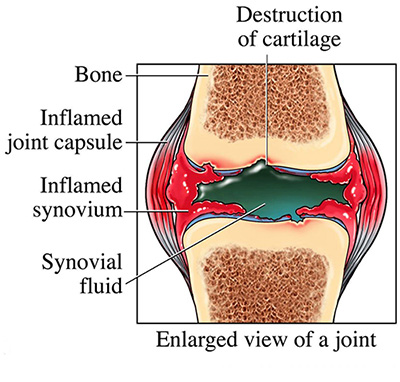
Understanding these stages is crucial. A Swasthawritta plan for a patient in the acute inflammatory Pitta stage will differ significantly from one for a patient in the chronic degenerative Vata stage.
2. The Complementary Role of Swasthawritta in Amavata
Unlike Sthaulya, where Swasthawritta can be the primary treatment, in active Amavata, it plays a vital supportive role alongside a primary Chikitsa protocol. The main treatment aims to halt the Samprapti through:
- Amapachana & Agnideepana: Digesting Ama and correcting Agni.
- Shodhana: Purification therapies like Virechana (therapeutic purgation) or Basti (medicated enemas) to eliminate deep-seated Doshas and Ama.
- Rasayana: Rejuvenation therapy to rebuild damaged tissues and modulate the immune system post-Shodhana.
The Swasthawritta plan is designed to create the optimal internal and external environment for these potent therapies to work. Its goals are:
- Strict Nidana Parivarjana: Meticulously avoiding all dietary and lifestyle triggers that could fuel the disease process.
- Supporting Agni: Ensuring the diet aids digestion rather than hindering it.
- Preventing Flare-ups: Managing stress and environmental factors.
- Maintaining Mobility & Strength: Using gentle activity to prevent stiffness and atrophy without causing inflammation.
- Improving Quality of Life: Addressing the psychological and emotional burden of chronic illness.
3. Formulating the Complementary Swasthawritta Plan
Let's now build a Swasthawritta plan for a hypothetical patient with Amavata, who is currently undergoing a Chikitsa protocol. We can draw upon a well-structured Ayurvedic Whole System (AWS) intervention protocol used in a recent clinical trial.
Clinical metabolomics investigation of rheumatoid arthritis ...
The paper 'Clinical metabolomics investigation of rheumatoid arthritis...' provides a detailed protocol for an Ayurvedic Whole System (AWS) intervention. This gives us a research-validated template for our Swasthawritta plan.
Please read section 2.2 'Diagnosis criterion and AWS intervention' and carefully study 'Table 1. Whole System Ayurveda Recommendation for RA/Amavata patients'. This table is a comprehensive list of dietary, lifestyle, and pharmacological interventions, from which we will extract the Swasthawritta components.
Based on this protocol and other classical principles, we can structure our plan.
A. Ahara: The Anti-inflammatory Dietary Plan
Principle: The diet must be Laghu (light), Ushna (warm), Deepana (appetizing), and Pachana (digestive). It should pacify Vata and Kapha without aggravating the inflammatory Pitta component.
For more detail on specific food choices, another excellent review article can guide us.
Evaluating The Efficacy Of Ayurvedic Dietary Interventions ...
The review 'Evaluating The Efficacy Of Ayurvedic Dietary Interventions...' provides an extensive list of foods to include and avoid in Amavata, based on classical texts.
Quickly scan through the sections 'Recommended Dietary Practices to Mitigate Ama', 'Foods to Include', 'Foods to Avoid', and 'The Function of Spices and Herbs'. Note the emphasis on warm, cooked meals, specific grains like barley, and the use of anti-inflammatory spices like turmeric and ginger.
Here is a synthesized dietary plan for our Amavata patient:
| Category | Recommendations | Rationale |
|---|---|---|
| General Principles | Consume warm, freshly prepared meals. Drink lukewarm water throughout the day. Eat at regular times. Practice mindful eating without distractions. | Supports Agni, prevents further Ama formation, and pacifies Vata. |
| Foods to Strictly Avoid | Curd (Dadhi), cold water, direct cold air, heavy/oily/fried foods, processed foods, refined sugar, incompatible food combinations (Viruddha Ahara). | These are primary Nidanas for Amavata. They are heavy to digest, increase Kapha and Ama, and can directly trigger inflammation. |
| Grains | Old rice (Purana Shali), red rice (Rakta Shali), barley (Yava), millets. | These grains are Laghu (light) and Ruksha (dry), which helps to counter the sticky, heavy nature of Ama and Kapha. |
| Pulses | Green gram (Mudga), horse gram (Kulatha), lentils (Masura). | Mudga is the most easily digestible pulse. Kulatha has a scraping (Lekhana) action that is beneficial. |
| Vegetables | Cooked vegetables with bitter and astringent tastes. Bitter gourd (Karavellaka), drumstick (Shigru), pointed gourd (Patola), radish (Mulaka). | Bitter taste is anti-inflammatory, detoxifying, and helps in Ama Pachana. Cooking makes them easier to digest. |
| Fluids | Buttermilk (Takra) prepared with digestive spices like cumin and ginger. Herbal teas (e.g., ginger tea). | Takra is an excellent remedy for digestive and channel-clearing (Srotoshodhana) purposes, unlike its raw source, curd. |
| Spices | Ginger (Ardraka, Shunthi), Turmeric (Haridra), Cumin (Jeeraka), Asafoetida (Hingu), Black Pepper (Maricha). | These spices are potent Agnideepaka (digestive stimulants) and have well-documented anti-inflammatory properties. Haridra is particularly important. |
B. Vihara: Gentle Lifestyle and Activity
Principle: The lifestyle must avoid all triggers while promoting gentle movement to maintain joint function and prevent stiffness. The key here is balance—avoiding both sedentary inertia (Nischalatha) and overexertion.
| Category | Recommendations | Rationale |
|---|---|---|
| Daily Routine | Use warm water for bathing. Wear protective warm clothing, especially in cold/rainy weather. Avoid swimming and direct exposure to cold drafts (fan/AC). | Cold and dampness are primary aggravating factors for Vata and Kapha, leading to increased pain and stiffness. Warmth is soothing (Shamana) and relieves pain. |
| Sleep | Avoid daytime sleep (Divaswapna). Ensure adequate, regular night sleep. | Daytime sleep increases Kapha and Ama, leading to more stiffness and lethargy. Restful night sleep is crucial for healing and managing pain. |
| Exercise (Vyayama) | Gentle Yoga: Focus on slow, mindful movements to maintain range of motion in the joints. Examples: Pawanmuktasana series, gentle spinal twists, Bhujangasana, Vrikshasana. | This maintains joint flexibility, improves circulation, and prevents muscle atrophy without causing inflammatory flare-ups. It must be adapted to the patient's daily capacity (Bala). |
| Moderate Walking: Daily, slow walking helps maintain mobility and cardiovascular health without stressing the joints. | A low-impact activity that prevents the body from becoming completely sedentary, which would worsen the condition. |
Test your understanding!
In the last lesson on Sthaulya, we prescribed a vigorous yoga protocol including Kapalbhati and Suryanamaskara. For our Amavata patient, we are recommending gentle yoga and strictly avoiding such intense practices. Explain the clinical reasoning behind this difference based on the Samprapti of each condition.
Show answer
The reasoning lies in the nature of the Dosha imbalance and Agni state.
- Sthaulya: The Samprapti is dominated by Mandagni (slow metabolism) and Kapha accumulation, leading to obstruction. The therapy requires a Lekhana (scraping) and stimulating approach. Vigorous, heating practices like Kapalbhati and Suryanamaskara are ideal to increase metabolism, kindle Agni, and reduce Kapha.
- Amavata: While it begins with Mandagni, the active disease involves intense inflammation (Pitta aggravation) and pain (Vata aggravation). Vigorous exercise would further aggravate Vata (increasing pain and joint instability) and Pitta (increasing inflammation), leading to a severe flare-up. The goal here is gentle mobilization to prevent stiffness, not metabolic stimulation.
C. Manasika: Psychological Support and Stress Management
Principle: Chronic stress is a well-known trigger for autoimmune flare-ups. Managing the mind is not an adjunct but a central pillar of the Swasthawritta plan. The goal is to calm the nervous system, reduce pain perception, and cultivate mental resilience.
| Category | Recommendations | Rationale |
|---|---|---|
| Pranayama | Nadi Shuddhi (Alternate Nostril Breathing), Bhramari (Humming Bee Breath). | These are calming, balancing pranayamas that activate the parasympathetic nervous system, reducing stress and its inflammatory consequences. Heating pranayamas are contraindicated. |
| Meditation | Daily practice of mindfulness meditation or simple breath awareness. | Helps detach from the pain experience, reduces anxiety associated with chronic illness, and lowers stress hormones like cortisol. |
| Sadvritta/Attitude | Counsel the patient to understand the nature of the disease, be patient with the treatment, and cultivate a positive outlook. | As noted in the AWS protocol, this is crucial for long-term adherence and management. Emotional acceptance reduces the mental struggle that often worsens physical symptoms. |
4. Integration with the Chikitsa Protocol
Now, let's see how this Swasthawritta plan synergizes with a pre-existing Chikitsa protocol. Let's assume the patient is in the active, inflammatory stage and the physician has prescribed:
- Phase 1 (Amapachana): Internal medicines like Amavatari Rasa or Hingvashtak Choorna to digest Ama.
- Phase 2 (Shodhana): Medicated castor oil (Eranda Taila) for gentle purgation (Virechana), or a course of Basti.
- Phase 3 (Rasayana): Immunomodulatory herbs like Guduchi or Ashwagandha to rebuild strength and prevent recurrence.
Our Swasthawritta plan complements this beautifully:
- During Phase 1: The light, digestive, and spicy diet directly supports the Amapachana effect of the medicines, making them more effective.
- During Phase 2: Strict adherence to the diet and lifestyle (especially warm water, light meals) is identical to the preparatory (Purvakarma) and post-procedural (Paschatkarma) requirements for Shodhana, ensuring the procedure is safe and effective.
- During Phase 3: The stress-reducing Vihara and Manasika components create a calm internal environment, which is the ideal state for Rasayana herbs to perform their deep, rejuvenating work. The modern metabolomics study (LINK) you reviewed showed that this combined approach leads to a "metabolic shifting towards normalization," which is the modern-day evidence of successful Samprapti Vighatana.
Conclusion
In this lesson, you have learned to formulate a nuanced Swasthawritta plan as a complementary therapy for a complex autoimmune disease, Amavata. This required moving beyond a primary treatment model to a supportive one, where every lifestyle choice is carefully calibrated to support the main Chikitsa and avoid aggravating a delicate and volatile pathological process.
Key Takeaways:
- The Nature of Autoimmunity: Ayurvedic understanding of autoimmunity involves a deep pathology of Agni turning against the Dhatus (Dhatu Paka), progressing through stages of Ama, Pitta, and Vata dominance.
- Swasthawritta's Complementary Role: For severe chronic diseases like Amavata, Swasthawritta's primary role is to create an optimal environment for potent Chikitsa to work, focusing on strict Nidana Parivarjana, stress reduction, and gentle Vihara.
- Context is Everything: The prescribed diet and exercise must be anti-inflammatory, digestive-supportive, and non-aggravating, in stark contrast to the stimulating protocols used for metabolic-obstructive disorders like Sthaulya.
- Synergy of Chikitsa and Swasthawritta: The true power of Ayurveda in managing chronic disease lies in the seamless integration of active treatment (Chikitsa) with a supportive lifestyle regimen (Swasthawritta), a combination validated by both classical wisdom and modern research.
Preview of the Next Lesson:
We have now designed a plan that complements an existing protocol. The next logical step in clinical decision-making is to decide the order of interventions yourself. Therefore, in our next lesson, you will learn to "Prioritize and sequence Swasthawritta and Chikitsa interventions in an integrated treatment plan for a complex case." This will challenge you to think like a senior clinician, deciding when to start with lifestyle changes, when to initiate potent medicines, and when to proceed to Shodhana.