Introduction
Welcome to our lesson. In our previous session, we established that Achara Rasayana (rejuvenation through conduct) is a powerful form of behavioral medicine. We critically assessed its mechanism, concluding that by cultivating Sattvic qualities, it preserves Ojas and regulates the body's stress response, promoting both mental and physical health. This laid the theoretical groundwork for understanding conduct as therapy.
Today, we will transition from theory to practice. Our objective is to apply Sadvritta principles in counseling for a specific psychosomatic disorder through case analysis. We will explore how to translate the ethical and behavioral guidelines of Sadvritta into a structured counseling methodology known as Satvavajaya Chikitsa. By dissecting a clinical case, you will learn to identify the underlying mental imbalances and design a counseling strategy that empowers a patient to heal through their own thoughts and actions.
1. The Ayurvedic View of Psychosomatic Disorders
Modern medicine uses the term "psychosomatic" to describe physical diseases that are thought to be caused or aggravated by mental factors. Ayurveda has long recognized this profound connection, viewing many disorders as originating in the mind.
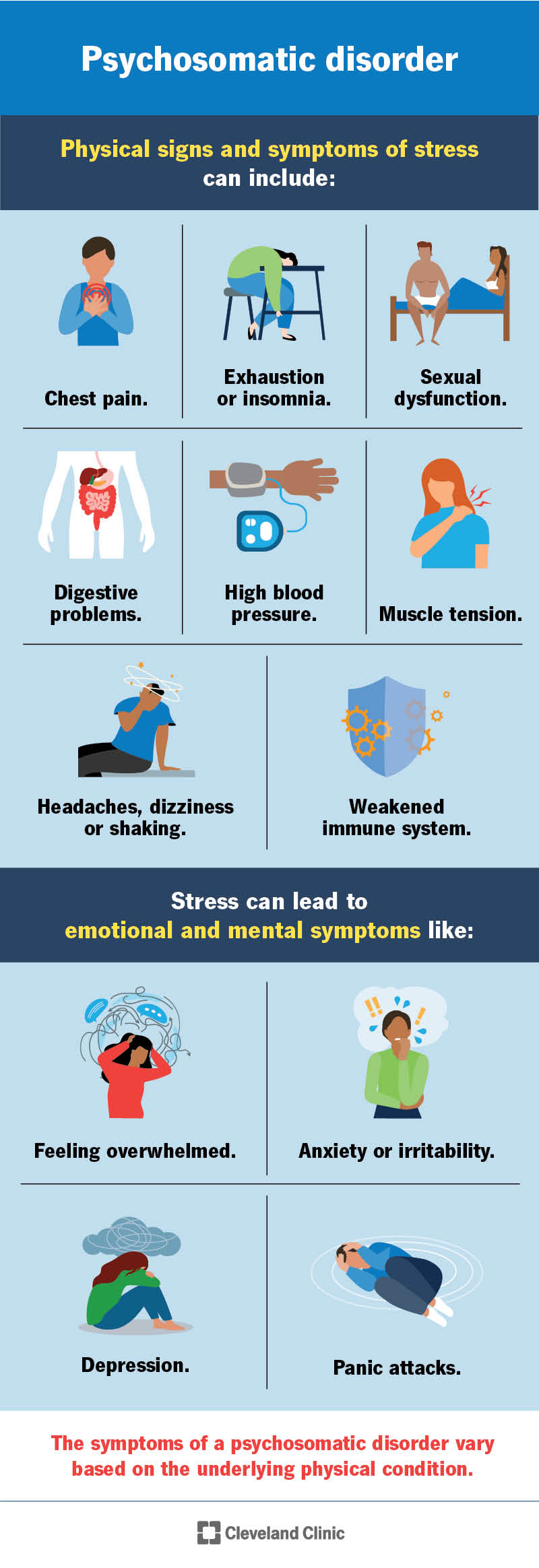
From an Ayurvedic perspective, these conditions, often termed Manovega-Janya Vyadhi (diseases born from mental urges) or Adhija Vyadhi (diseases originating from the mind), follow a distinct pathological pathway:
- The Root Cause (Nidana): The primary cause is Prajnaparadha—a failure of intellect. This is the conscious choice to engage in thoughts, words, or actions that one knows to be unwholesome.
- The Pathway (Marga): These unwholesome mental activities vitiate the Manovaha Srotas (channels of the mind), leading to an imbalance in the Manasika Doshas—Rajas (passion, agitation, turbulence) and Tamas (inertia, darkness, delusion).
- The Manifestation (Rupa): This mental imbalance, if sustained, disrupts the equilibrium of the Sharirika Doshas (Vata, Pitta, Kapha), leading to the manifestation of physical symptoms in vulnerable tissues or systems.
A classic example is the gut-brain axis, where mental stress (Rajasika states like Chinta, Bhaya) directly impacts digestive function (Agni) and motility, contributing to conditions like Grahani (Irritable Bowel Syndrome).
2. Sadvritta as Therapy: The Framework of Satvavajaya Chikitsa
While Yukti Vyapashraya Chikitsa (rational therapy with drugs and diet) addresses the physical manifestations, Satvavajaya Chikitsa (psychotherapy) is the specific modality for treating the root cause in the mind. It is a comprehensive approach aimed at restraining the mind from unwholesome objects (ahitebhyo arthebhyo mano nigrahaḥ - Charaka Samhita, Sutrasthana 11:54).
Satvavajaya Chikitsa is fundamentally about guiding the patient to operationalize the principles of Sadvritta and Achara Rasayana. It works by strengthening the three cardinal faculties of the mind:
- Dhee (Intellect/Wisdom): Providing the patient with proper knowledge (Jnana) about the cause of their illness and the path to wellness.
- Dhriti (Courage/Restraint): Empowering the patient to develop self-control and consistently choose wholesome thoughts and behaviors over unwholesome ones.
- Smriti (Memory/Recollection): Helping the patient remember their true, peaceful nature and stay connected to their higher goals.
Counseling based on Sadvritta is the practical application of Dhriti—it provides a structured method for replacing ingrained Rajasika and Tamasika patterns with life-affirming Sattvika ones.
3. Case Analysis: Counseling for Depressive Disorder (Avsada)
Let's now apply this framework by analyzing a clinical case. We will use a case study of depressive disorder, a quintessential psychosomatic condition where Tamasika qualities are predominant.
Ayurveda, Depressive disorder, ...
The following case report, 'Ayurveda, Depressive disorder, ...', details the comprehensive management of a young male patient with depression. It provides an excellent illustration of how Satvavajaya Chikitsa is integrated with other Ayurvedic therapies.
First, please read the 'Case Report' section to understand the patient's presentation, history, and examination findings (including the 'Ashtavidha pariksha' and 'Dashvidha pariksha'). Note the diagnosis of Avarasatva (low mental strength). Then, read the 'Follow-up and outcome' section. Pay close attention to the specific counseling techniques used under Satvavajaya Chikitsa.
Now, let's deconstruct the counseling approach described in the "Follow-up and outcome" section and map it to the principles of Satvavajaya Chikitsa and Sadvritta.
Step 1: Assessment (Pariksha) and Psychoeducation (Dhee)
- Ayurvedic Assessment: The physicians identified Avarasatva (low mental fortitude) and a Vata-Pitta Prakruti. The symptoms—lethargy, social withdrawal, anhedonia—point to a predominance of Tamas, which obstructs mental clarity and motivation, likely aggravated by Vata Dosha causing instability and overthinking.
- Modern Assessment: A Hamilton Depression Rating Scale (HDRS) score of 25 confirmed severe depression.
- Psychoeducation (Dhee): The first counseling step mentioned is crucial: "The patient was taught to assess and quantify worry and their relaxed state of mind." This is a direct application of Dhee. By teaching the patient to become an objective observer of their own mental state, the therapist empowers them with knowledge and initiates the process of separating the self from the suffering.
Step 2: Intervention (Dhriti & Smriti)
The case study lists several powerful counseling techniques. These are not random suggestions; they are targeted interventions to cultivate Dhriti (restraint from negative patterns) and Smriti (recollection of a higher state).
| Counseling Technique Used in Case | Underlying Satvavajaya Principle | Corresponding Sadvritta/Achara Rasayana Principle |
|---|---|---|
| Mantra uchharan with yoga guidance; Om japa | Smriti (Recollection) | Japa para (devotion to chanting); Adhyatma Pravanendriyam (spiritual inclination). This shifts focus from negative self-talk to a positive vibration. |
| Giving daily assignments & rewards for completion | Dhriti (Restraint/Discipline) | Reinforces the ability to follow a regimen (Niyamita) and builds self-efficacy, directly countering the inertia of Tamas. |
| Sharing stories of people who have overcome similar obstacles | Dhriti (Courage) | Ashvasana (Assurance). This builds hope and provides a role model, showing the patient that recovery is possible. |
| Urging the patient to "stand up for themselves when they feel like giving up" | Dhriti (Courage) | Fostering Jitatma (self-control) and mental strength, directly combating the Avarasatva. |
| Urging commitment to memory of a "perfect representation of God" | Smriti (Recollection) | Astikya (having faith); cultivating devotion to a higher ideal to provide an anchor for the mind. |
This multi-pronged approach doesn't just treat symptoms; it rebuilds the patient's mental fortitude from the ground up by systematically replacing Tamasika habits (worry, lethargy, hopelessness) with Sattvika actions (mindfulness, discipline, faith, hope).
Another study on Irritable Bowel Syndrome reinforces this model, explicitly linking counseling with Achara Rasayana to manage the Manasika Doshas.
Efficacy of whole system ayurveda protocol in irritable bowel ...
To see this principle applied to another common psychosomatic disorder, let's briefly look at a study on IBS (Grahani).
Please quickly review the sections discussing 'manasika dosha assessment' and the counseling sessions. Notice how 'raja' is linked to anxiety components (fear, anger) and 'tama' to depressive states. The intervention explicitly included 'achara rasayana (code of conducts)' as part of the counseling for these states.
This study confirms that the core of counseling is identifying the dominant Manasika Dosha and applying principles of right conduct (Achara Rasayana) to pacify it.
Test your understanding!
A 45-year-old female patient presents with Grahani (IBS). Her primary symptoms are alternating constipation and diarrhea, bloating, and abdominal cramping, which worsen significantly under stress. She is a lawyer and describes herself as a "perfectionist" and a "worrier" (Chinta). She is irritable (Krodha), has difficulty relaxing, and her mind is always racing.
Based on this presentation, which Manasika Dosha is likely predominant? Outline three specific counseling points based on Sadvritta principles that you would use to address her mental state as part of her Satvavajaya Chikitsa.
Show answer
Predominant Manasika Dosha: The symptoms of constant worry, irritability, racing thoughts, and perfectionism clearly point to a predominance of Rajas. This mental agitation is directly aggravating Vata in her colon, leading to the erratic bowel function characteristic of her IBS.
Counseling Points based on Sadvritta:
-
Introduce the Principle of Prashantam (Cultivating Calmness):
- Psychoeducation (Dhee): Explain the direct link between her racing thoughts (the "worry cycle") and her gut symptoms via the gut-brain axis (Manovaha Srotas affecting Annavaha Srotas).
- Actionable Step (Dhriti): Instead of trying to "stop worrying," which can increase anxiety, guide her to practice "thought-stopping" followed by a 2-minute conscious breathing exercise (Pranayama like Anuloma Viloma) whenever she notices the worry cycle beginning. This gives her a tool to actively create moments of calm.
-
Apply the Principle of Non-Violence (Ahimsa) to Herself:
- Psychoeducation (Dhee): Frame her perfectionism and harsh self-judgment as a form of internal violence (himsa) that fuels her stress.
- Actionable Step (Dhriti): Introduce the practice of self-compassion. At the end of each day, guide her to write down one thing she did well, and one instance where she can forgive herself for not being "perfect." This begins to counter the Rajasika drive for incessant, flawless performance.
-
Encourage Sama Jagrana-swapnam (Balance in Activity and Rest):
- Psychoeducation (Dhee): Explain that her Rajasika nature pushes her to be constantly "on." This depletes her energy (Ojas) and prevents the nervous system from entering the "rest and digest" parasympathetic state necessary for proper gut function.
- Actionable Step (Dhriti): Schedule a mandatory 15-minute "non-productive" break in her daily calendar where she is not allowed to work, check emails, or solve problems. She can listen to calming music, walk in nature, or simply sit quietly. This helps retrain her mind and body to accept and value rest.
Conclusion
In this lesson, we have moved Sadvritta from a philosophical concept to a clinical tool. We have seen how the ancient wisdom of right conduct forms the backbone of Satvavajaya Chikitsa, the Ayurvedic approach to psychotherapy.
Key Takeaways:
- Psychosomatic Pathology: These disorders originate from Prajnaparadha (intellectual error), which vitiates the Manasika Doshas (Rajas and Tamas) and subsequently disturbs the physical Doshas.
- Satvavajaya Chikitsa as the Solution: This therapy aims to restore mental balance by strengthening Dhee (wisdom), Dhriti (restraint & courage), and Smriti (recollection).
- Counseling is Applied Sadvritta: The core of Ayurvedic counseling is to identify the dominant unwholesome mental patterns and guide the patient in systematically replacing them with the wholesome, Sattvic behaviors outlined in Sadvritta and Achara Rasayana.
- Empowerment over Prescription: The goal is not merely to give advice, but to use techniques like psychoeducation, storytelling, and practical assignments to empower the patient to become the agent of their own healing.
Preview of the Next Lesson:
We have now explored Achara Rasayana, the behavioral pillar of rejuvenation. To complete our understanding of this vital branch of Ayurveda, our next lesson will broaden the scope. The learning outcome is to analyze the classification of Rasayana (rejuvenation) therapies and evaluate their application in preventive healthcare. We will investigate the full spectrum of Rasayana, including therapies based on diet (Ahara) and specific formulations (Aushadha), and learn how to classify and apply them for promoting longevity and vitality.