Welcome to our second lesson on general insurance. In our previous session, we developed a high-level map of the industry, classifying products along two primary axes: the type of risk (property vs. casualty) and the type of customer (personal vs. commercial). This framework gives us a systematic way to navigate the diverse landscape of non-life insurance.
Today, we will zoom in on one specific and very large quadrant of that map: personal lines. This lesson is dedicated to describing the key features and, crucially, the underwriting considerations for these products. Understanding how insurers select, classify, and price risks for individuals is fundamental to actuarial practice in this area. We will explore the common features of home and auto insurance before delving into the process and principles of underwriting that determine who gets coverage and at what cost.
A Recap of Personal Lines
As a quick refresher from our last lesson, personal lines insurance comprises products designed for individuals and families, protecting them from financial loss due to damage to their property or legal liability for harm caused to others.

The two largest and most common personal lines products are homeowners insurance and personal auto insurance. Let's briefly revisit the overview.
Insurance Industry Overview - Insurance Products
The Primerli video "Insurance Industry Overview" provides a concise summary of the main personal lines categories.
Please watch the segment from personal lines explained. This will refresh your memory on the main products like home, auto, and umbrella policies.
Key Features of Major Personal Lines Products
While there are many specialized personal lines products (e.g., for boats, travel, or pets), we will focus on the cornerstones of the market: homeowners and auto insurance. Both are typically "package" policies, bundling property and liability coverage together.
1. Homeowners Insurance
A homeowners policy is designed to protect what is often an individual's largest asset. It combines several distinct coverages:
- Property Coverage (First-Party):
- Dwelling: Covers the physical structure of the house.
- Other Structures: Covers detached structures like garages or sheds.
- Personal Property: Covers the contents of the home, such as furniture, clothing, and electronics.
- Loss of Use: Covers additional living expenses (e.g., hotel bills) if the home becomes uninhabitable due to a covered loss.
- Liability Coverage (Third-Party):
- Personal Liability: Covers legal responsibility for bodily injury or property damage that the insured or their family members cause to other people. This could be an injury to a visitor on the property or damage your child causes to a neighbor's window.
- Medical Payments to Others: Covers minor medical bills for guests injured on the property, regardless of fault.
There are different standard policy forms (e.g., HO-3, HO-5 for owners, HO-4 for renters, HO-6 for condo owners) that offer varying levels and types of coverage, as listed in resources like the Texas Insurance Content Outlines.
2. Personal Auto Insurance
Similarly, a personal auto policy is a package of multiple coverages:
- Liability Coverage (Third-Party): This is mandatory in most jurisdictions.
- Bodily Injury (BI): Covers costs associated with injuries to others if you are at fault in an accident.
- Property Damage (PD): Covers damage to another person's property (usually their car) if you are at fault.
- Physical Damage Coverage (First-Party): This covers damage to your own vehicle.
- Collision: Covers damage to your car from a collision with another object or from rolling over.
- Comprehensive (or "Other Than Collision"): Covers damage from other events like theft, fire, hail, or hitting an animal.
- Other Coverages:
- Medical Payments / Personal Injury Protection (PIP): Covers medical expenses for you and your passengers after an accident, sometimes regardless of fault.
- Uninsured/Underinsured Motorist (UM/UIM): Covers your expenses if you are hit by a driver with no insurance or insufficient insurance.
Having established what these products cover, we now turn to the critical question for an insurer: how do we decide whether to offer these policies and how much to charge? This is the domain of underwriting.
The Art and Science of Underwriting Personal Lines
Underwriting is the process by which an insurer assesses the risk presented by a potential policyholder to decide whether to provide coverage and, if so, on what terms and at what price. For a statistician, you can think of it as the practical application of probability theory to create a profitable and stable portfolio of risks.
This introductory video provides an excellent overview of the concept.
Underwriting Explained (With Examples) | Insurance Definitions
The video "Underwriting Explained" from Square One Insurance Services clearly defines the role and process of underwriting.
Please watch the entire video. It covers: The definition of underwriting as taking on financial risk for a fee. Its application to home insurance, balancing premiums against potential claims. The use of underwriting guidelines and common risk factors. An example of risk modification, where an underwriter insures a high-risk property by applying special conditions (a higher deductible for flood damage).
As the video explains, the underwriter's goal is to ensure that the premiums collected from a group of similar policyholders are sufficient to pay for that group's claims, cover expenses, and generate a profit. This is achieved through a process of risk selection and classification.
Risk Classification Factors
The core of underwriting is grouping applicants into "risk pools" with others who have a similar likelihood of filing a claim. Insurers use a wide range of data points, known as rating variables, to achieve this classification.
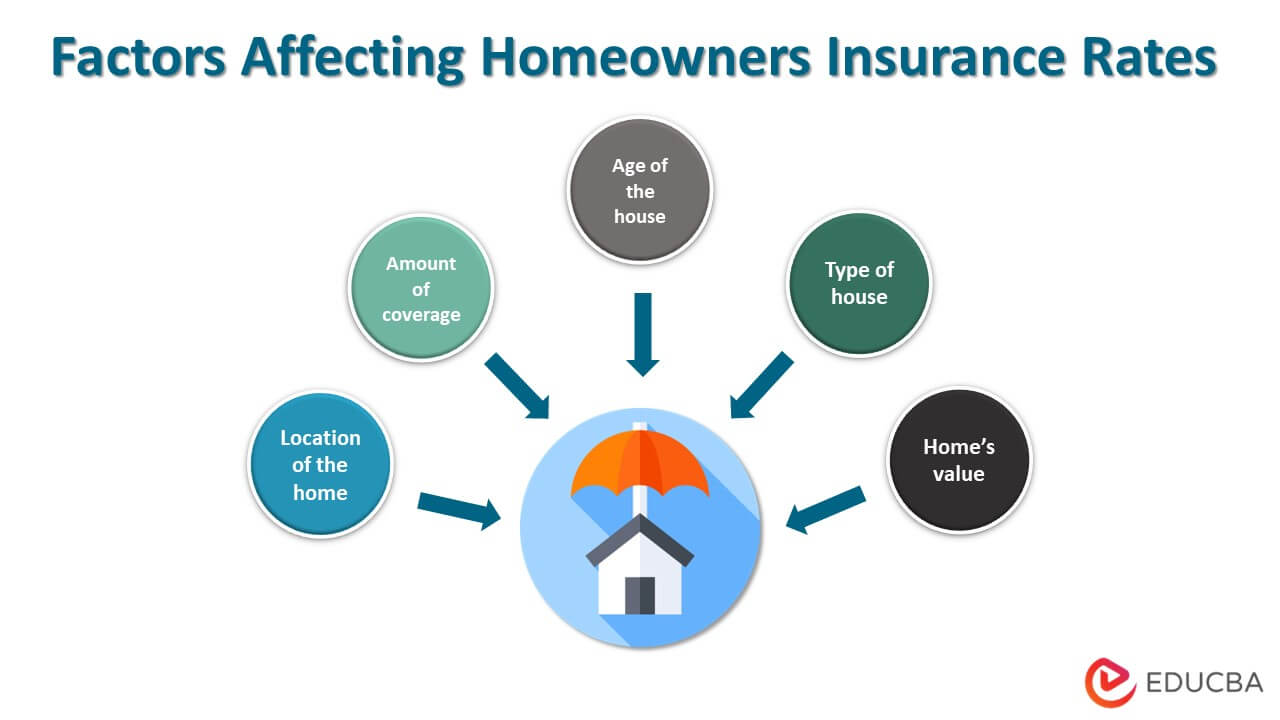
Here are some of the key factors for our two main products:
Homeowners Insurance Underwriting Factors:
- Location: Proximity to hazards (coasts, fault lines), quality of local fire protection.
- Construction: Materials used (e.g., brick vs. wood frame), which affect fire and wind resistance.
- Age and Condition: Older homes may have outdated electrical or plumbing systems, increasing risk. The age and condition of the roof is a critical factor.
- Claims History: Past claims are a strong predictor of future claims.
- Specific Hazards: Presence of a swimming pool, trampoline, or certain dog breeds increases liability risk.
- Protective Devices: Discounts are often given for smoke detectors, burglar alarms, and sprinkler systems.
Personal Auto Insurance Underwriting Factors:
- Driver Characteristics: Age, gender, and marital status are powerful statistical predictors of accident frequency.
- Driving Record: History of accidents and traffic violations is paramount.
- Vehicle Type: Sports cars are associated with higher risk than minivans. Safety ratings and repair costs are also considered.
- Vehicle Use: How the car is used (e.g., commuting vs. pleasure) and annual mileage.
- Territory: The geographic area where the car is garaged and driven significantly impacts the risk of theft, vandalism, and accidents.
- Credit History: In many jurisdictions, an individual's credit-based insurance score is used as a predictor of loss likelihood.
From Risk Factors to Premium: The Pricing Framework
Once the risk is classified, a price must be set. As an actuary, you will be involved in designing these pricing structures. The following resource provides a technical framework that is highly relevant to actuarial practice.
[PDF] Personal Lines Pricing - Casualty Actuarial Society
This presentation from the Casualty Actuarial Society (CAS) describes the modern architecture of personal lines pricing, moving from broad classes to highly refined, individualized rates. This provides the kind of conceptual framework you find useful.
Please read the following sections from the PDF: On page 5, review the descriptions under "Three-Level Insurance Pricing Architect". This introduces the overall structure. On page 6, read the bullet points under "Levels 1, 2, and 3" to solidify your understanding of each level. On page 10, read the text describing "the two-part plan" (Base Class Plan + Pricing Tier). On pages 11 and 12, study the distinction between "Rating vs. Underwriting Tiers" and review the table on page 13, "Example of Rating Tiering". Focus on how variables are split between the Base Class Plan and the Tier.
The CAS document introduces a sophisticated, multi-level approach to pricing that is common in personal lines:
-
Level 1: Basic Rating Plan (Class Plan): This is the foundational pricing formula. It uses the traditional, regulator-approved rating variables (e.g., territory, driver age, vehicle type) to calculate a base premium. This is objective and applies to all applicants.
-
Level 2: Underwriting Driven Pricing: This is where the insurer refines the price based on more granular, often proprietary, information. A key tool here is tiering. Insurers establish multiple pricing tiers (e.g., Preferred, Standard, Non-standard), each with a different base rate. An underwriter, guided by a set of rules, places an applicant into a tier based on their overall risk profile. Factors like credit score, a minor at-fault accident, or more detailed vehicle information might be used to determine tier placement. This allows the insurer to maintain a stable base plan while having the flexibility to price more accurately for specific risks.
-
Level 3: Price Optimization: This is a further refinement that incorporates market dynamics, such as a customer's price sensitivity (elasticity) and competitive positioning, to make final adjustments to the premium.
This tiered structure is a powerful way for insurers to manage a complex rating system. It allows them to introduce new, predictive variables into the pricing tiers without having to constantly refile and overhaul their entire base rating plan, which is a significant administrative and regulatory burden.
Conclusion
In this lesson, we have moved from the general to the specific, focusing on the features and underwriting of personal lines insurance. We've seen that products like homeowners and auto insurance are packages that bundle property and liability coverages to meet the needs of individuals.
The core of managing these products lies in underwriting: a disciplined process of risk selection, classification, and pricing. Underwriters use a host of factors to assess risk and place policyholders into appropriate groups. The price is then determined using a sophisticated framework that often combines a stable, formulaic base plan with flexible pricing tiers that allow for more nuanced, underwriting-driven adjustments.
Key Takeaways:
- Product Features: Personal lines products are typically "package policies" that combine first-party property coverage for the policyholder's own assets and third-party liability coverage for legal responsibilities to others.
- Underwriting Purpose: The goal is to build a profitable portfolio by charging a premium that accurately reflects the risk of each policyholder.
- Risk Classification: Underwriters classify applicants using numerous factors related to the person (driver history, claims history), the property (car type, home construction), and the environment (location).
- Pricing Structure: Modern personal lines pricing is often a multi-level system, using a base class plan refined by underwriting-driven tiers to achieve pricing accuracy and flexibility.
To help with your exam preparation, here is a "cheatsheet" summarizing the key points for the two major personal lines.
| Aspect | Homeowners Insurance | Personal Auto Insurance |
|---|---|---|
| Primary Coverages | Property: Dwelling, Personal Property, Loss of Use Liability: Personal Liability, Medical Payments |
Liability: Bodily Injury, Property Damage Property (Physical Damage): Collision, Comprehensive |
| Typical "Package" | Yes, combines property and liability | Yes, combines liability and optional physical damage |
| Key Underwriting Factors | Location, construction type, age/condition of home, roof, claims history, protective devices, liability hazards (pool) | Driver age/record, vehicle type, territory, vehicle usage, claims history, credit score |
| Pricing Approach | Base rate by territory and construction, adjusted for specific risk factors and discounts. Tiering is common. | Base rate by territory, driver class, and vehicle, heavily modified by individual driving record, discounts, and tier placement. |
Having explored the world of insuring individuals, our next lesson will shift to the other side of the market: commercial lines. We will examine how the features, underwriting process, and risk considerations change when the policyholder is a business.