Hello!
In our last lesson, we used the 'escalation ladder' framework to analyze how the West has managed military aid to Ukraine while navigating Russian threats. We saw that crisis management is often a careful, incremental process of risk-taking. That discussion leads us directly to the resolution of the Cuban Missile Crisis itself—not a dramatic victory on an escalation ladder, but a complex, negotiated settlement.
This lesson focuses on a crucial, and for many years secret, component of that settlement: the US agreement to withdraw its Jupiter missiles from Turkey. Our learning objective is to compare the strategic trade-offs of the secret Jupiter missile deal with those of a modern missile defense deployment, using the THAAD system in South Korea as our case study.
This comparison will allow us to bridge the gap between 1962 and today, exploring enduring dilemmas in alliance management, great power competition, and the dual-edged nature of military deployments on allied territory. For a policymaker, understanding these historical precedents is essential for navigating contemporary strategic challenges.
The Jupiter Missile Deal: A Secret Quid Pro Quo
To understand the trade-off, we first need to understand why US missiles were in Turkey to begin with. Placed in 1961, these nuclear-tipped, intermediate-range ballistic missiles (IRBMs) were part of a broader NATO strategy to deter the Soviet Union.
To get a clear picture of the strategic context, please watch this short animated documentary.
Why wasn't there a Turkish Missile Crisis? (Short Animated Documentary)
This video from History Matters, titled 'Why wasn't there a Turkish Missile Crisis?', concisely explains the rationale for deploying Jupiter missiles to Turkey and Italy and why the USSR initially reacted as it did.
Please watch the entire video (it's only about 3 minutes). As you watch, consider: The stated US strategic goal: reducing missile flight times to the USSR. The dual purpose of reassuring NATO allies. The reasons the USSR did not provoke a crisis over the Jupiters in 1961, which contrasts sharply with the US reaction to missiles in Cuba a year later.
As the video explains, the Jupiter missiles were a significant threat to the Soviet Union, much like the Soviet missiles in Cuba were to the United States. This symmetry was not lost on Khrushchev.
By the time of the Cuban crisis, the Kennedy administration already considered the liquid-fueled, slow-to-launch, and highly vulnerable Jupiter missiles obsolete. However, they were symbolically important to the Turks and to NATO's sense of shared risk. Removing them unilaterally could have been seen as weakening the alliance.
The crisis provided Kennedy with a unique opportunity. He could trade away an asset of diminishing military value to resolve the most dangerous confrontation of the Cold War. The key was how the deal was structured. The public resolution involved a Soviet withdrawal in exchange for a US non-invasion pledge for Cuba. The missile trade, however, was kept secret.
Let's explore the details and legacy of this secret agreement.
The Biggest Myth Of The Cuban Missile Crisis | BBC Timestamp
This BBC Timestamp segment features Dr. Leslie Gelb, a veteran diplomat and scholar, who explains the reality behind the popular myth of the crisis resolution.
Please watch from 01:35 to 04:27. Focus on Dr. Gelb's distinction between the public myth and the private reality of the deal, and his analysis of why the myth of 'toughness' was so appealing and politically influential in later US foreign policy.

Strategic Trade-offs: The Jupiter Deal
Let's break down the calculus for the Kennedy administration:
-
Gains:
- De-escalation: Achieved the primary goal of removing the immediate, acute threat of Soviet nuclear missiles in Cuba.
- Strategic Win: Traded an obsolete, vulnerable missile system for a cutting-edge Soviet deployment.
- Political Victory (Public): The secrecy allowed Kennedy to project an image of strength and resolve, which was crucial for domestic and international credibility. He appeared to have won the game of 'Chicken' without flinching.
-
Risks & Costs:
- Alliance Cohesion: If the secret deal had been revealed at the time, the US could have been accused of trading an ally's security for its own. It risked undermining NATO's trust in US commitments.
- Adversary Perception: While Khrushchev also needed to save face, the concession could have emboldened him to test US resolve elsewhere.
- Long-term Policy Distortion: As Dr. Gelb powerfully argues, the myth created by the secrecy fostered a dangerous precedent in US foreign policy, valorizing confrontation over compromise and negotiation.
THAAD in South Korea: A Modern Missile Dilemma
Now, let's fast-forward to the 21st century and examine a contemporary missile deployment. The US has deployed the Terminal High-Altitude Area Defense (THAAD) system in South Korea.
Unlike the offensive, nuclear-armed Jupiter missile, THAAD is a purely defensive system designed to intercept and destroy incoming ballistic missiles during their terminal phase of flight.
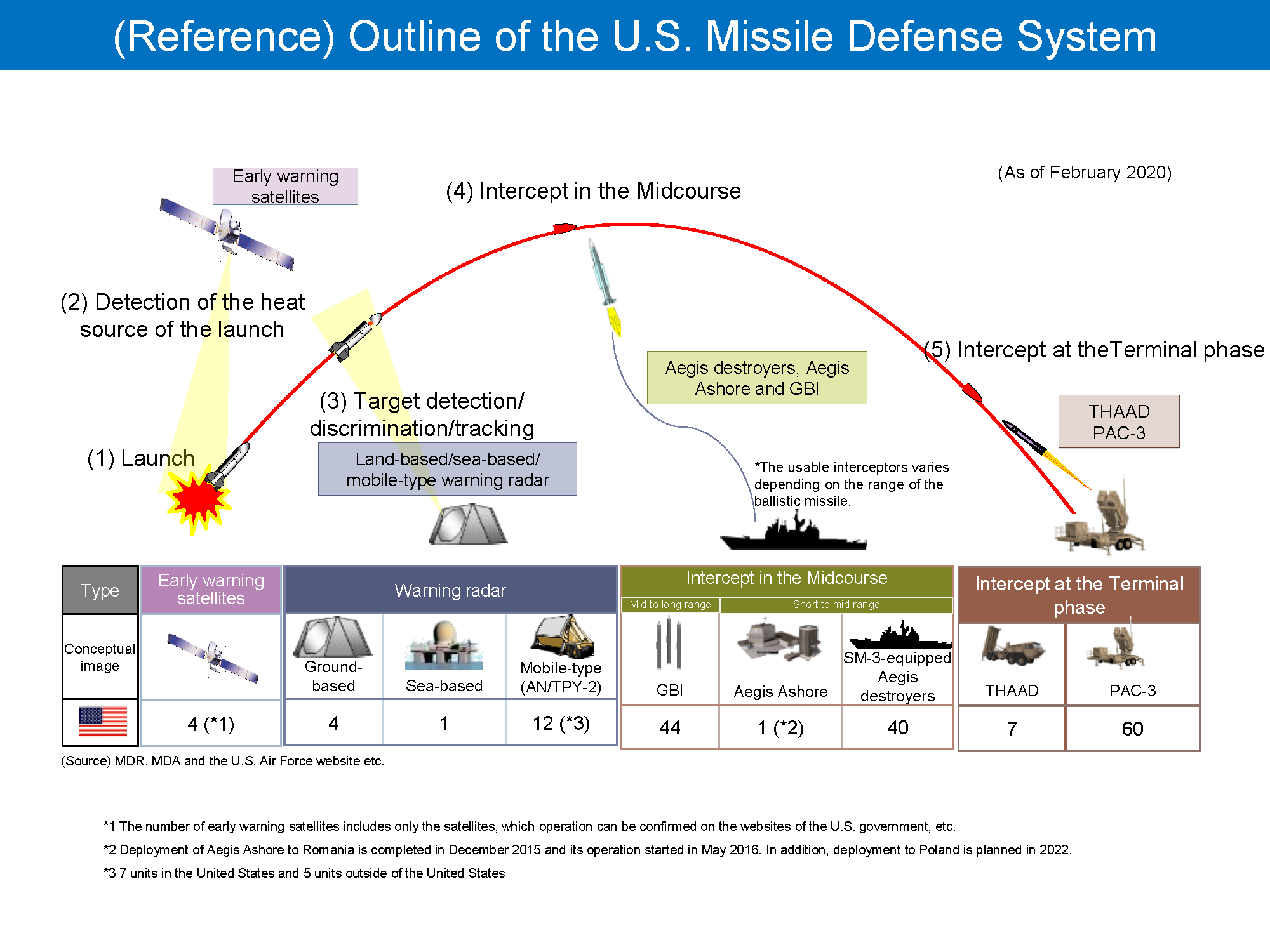
The stated purpose is to protect South Korea from North Korea's growing missile arsenal. However, the deployment has been a major point of contention with another regional power: China.
The following article provides a superb analysis of the strategic complexities involved, even drawing a direct parallel to the Jupiter missiles.
The Trouble With South Korea’s THAAD Upgrade
This article from The Diplomat, 'The Trouble With South Korea’s THAAD Upgrade,' unpacks the strategic dilemma posed by the missile defense system.
Please read the article. As you read, focus on: The technical distinction between THAAD's interceptors and its powerful radar. Why China, despite the system's stated purpose, views the THAAD radar as a threat to its own strategic nuclear deterrent. The concept of THAAD as a 'strategic wedge' between Seoul and Beijing, forcing difficult trade-offs for South Korean policymakers.
Strategic Trade-offs: The THAAD Deployment
The THAAD deployment presents a different, but equally complex, set of trade-offs for the US and its ally, South Korea.
-
Gains:
- Enhanced Security: Provides a crucial layer of defense against a tangible and growing threat from North Korea.
- Alliance Assurance: The deployment is a powerful, visible symbol of the US security commitment to South Korea.
- Deterrence: Complicates North Korea's offensive military planning, thereby strengthening deterrence.
-
Risks & Costs:
- Great Power Antagonism: The system’s AN/TPY-2 radar, capable of peering deep into Chinese territory, is seen by Beijing as undermining its nuclear second-strike capability. This provokes intense diplomatic opposition and destabilizes the regional security environment.
- Economic Coercion: China has used its economic leverage to punish South Korea for hosting the system, demonstrating the high cost of alignment with the US.
- Fueling an Arms Race: The deployment may incentivize both North Korea and China to develop more advanced missiles and countermeasures to defeat or overwhelm the system.
- Information Warfare: As noted in the Center for Strategic and Budgetary Assessments report LINK (Arming America's Allies), the THAAD deployment became a target of a major Chinese information campaign, illustrating how modern deployments face political warfare challenges amplified by social media.
Comparative Analysis: Strategic Trade-offs, Then and Now
Placing these two cases side-by-side reveals both fundamental shifts and enduring truths in international security. The core challenge—balancing ally reassurance, adversary deterrence, and great power stability—remains constant.
| Feature | Jupiter Missiles in Turkey (1962) | THAAD in South Korea (Present) |
|---|---|---|
| System Type | Offensive, nuclear-armed ballistic missile. | Defensive, non-nuclear missile interceptor. |
| Primary Purpose | Deter Soviet attack on NATO; strategic counterforce. | Defend against North Korean missiles. |
| Primary Complication | Their presence on the USSR's border created a direct parallel to Soviet missiles in Cuba. | Its powerful radar is perceived as a threat by a third party (China), undermining its strategic deterrent. |
| Nature of the Deal | A secret quid pro quo to resolve an acute, existential crisis. A one-time bargain. | An ongoing strategic dilemma. No single bargain, but a continuous trade-off between security from one threat and stability with a major power. |
| Alliance Management | Risk of being seen as trading an ally's security secretly. The key was managing perceptions within NATO. | Challenge of an ally being punished for its alignment. The US must help its ally withstand political and economic pressure. |
| Role of Secrecy | Essential to the deal. Allowed Kennedy to claim a public political victory and avoid looking weak. | Impossible and counterproductive. The strategic debate is public, leading to information warfare and domestic political controversy in the host nation. |
Conclusion
This comparison highlights a crucial evolution in missile diplomacy. The Jupiter missile deal was a classic Cold War crisis-resolution bargain, rooted in secrecy and offensive-for-offensive trades. The THAAD deployment embodies a more modern, complex dilemma where defensive technology creates unintended strategic effects, and the primary costs are not military but political and economic, playing out in the public sphere.
Key Takeaways:
- The Jupiter missile deal was a secret trade-off where the US removed obsolete but symbolically important offensive missiles from Turkey in exchange for the Soviet removal of missiles from Cuba. Its secrecy created a politically useful but historically misleading myth of uncompromising strength.
- The THAAD deployment in South Korea is a modern example where a defensive system creates strategic instability because its powerful radar is perceived as a threat by China, a major regional power not directly involved in the primary deterrence relationship (US/ROK vs. North Korea).
- A core difference lies in the nature of the trade-off: the Jupiter deal was a discrete bargain to end a crisis, while THAAD involves a persistent trade-off between defending against one threat (North Korea) and antagonizing a major power (China).
- Alliance management has evolved. In 1962, the concern was about the perception of betrayal within the alliance. Today, it involves helping allies manage the direct economic and political blowback they receive from adversaries for hosting US systems.
In our next lesson, we will continue exploring the policy legacy of the Cuban Missile Crisis. We will look at how the near-catastrophe spurred new efforts in arms control and ask you to evaluate the verification mechanisms of a modern arms control treaty (e.g., New START) by applying lessons on credible signaling and miscalculation from 1962.