Hello. In the previous lesson, you compared the evidence for heat, exercise, and TENS. The next step is to use that evidence safely. A treatment can be worth trying without being suitable in every situation, and relief from a treatment does not establish why the pain is happening. This lesson focuses on preventing heat burns, adapting movement when symptoms worsen, and checking TENS instructions and contraindications before use.
Heat: comfortable warmth, not maximum heat
A hot water bottle or heat pack can be useful during cramps, but a burn can develop even when heat initially feels tolerable. The practical aim is gentle warmth with a barrier between the heat source and your skin.
The NHS video Painful periods: Pain relief and when to seek help gives a short demonstration of the everyday advice. Watch its discussion of heat and light activity; the more detailed heat precautions follow in the reading.
Painful periods: Pain relief and when to seek help | NHS
Watch Painful periods: Pain relief and when to seek help from the NHS for a brief introduction to heat and gentle movement during period pain.
In the home-remedies portion, watch heat and movement. Notice the towel around the hot water bottle and the examples of light activity. The medication advice immediately before this passage belongs to the earlier treatment module, not to a new dosing plan here.
For specific burn-prevention rules, read the heat guidance in Ice & Heat Therapy from South West Yorkshire Partnership NHS Foundation Trust. You need not study its instructions for treating injuries with ice.
Read the heat-related precautions in Ice & Heat Therapy to see when a heat pack needs extra caution and how to use a hot water bottle without putting excessive heat against skin.
At the beginning of the PDF, under “Ice & Heat Therapy,” start with the warning that heat and ice can cause burns. Read the precautions, particularly the list beginning “DO NOT use heat or ice if you have.” Then skip the ice-treatment instructions. Under the “HEAT” heading, after the ice-massage guidance, read the heat-pack guidance. Stop before “CONTRAST BATHING.” Focus on the barrier, bottle-filling instructions, duration, and warning against lying or sleeping on a pack.
For a hot water bottle, use warm rather than boiling water, do not overfill it, and wrap it in a towel. Follow the manufacturer’s heating instructions for a reusable pack. The leaflet advises applying a heat pack for 15–30 minutes and, if needed, reapplying it after about two hours. Check your skin during use. Add another layer or remove the pack if it feels too warm; do not lie, sit, or fall asleep on it. A heat wrap designed for a different wearing time needs its own instructions rather than this pack schedule.

A plan to tuck a hot water bottle against the abdomen and drift off to sleep has an avoidable hazard: while asleep, you cannot notice that one area is overheating or move the bottle away. Likewise, more heat is not necessarily more relief. Remove a heat source if it causes pain, persistent redness, or other skin changes.
Check whether the skin and the area are suitable for heat. The leaflet warns against using heat over broken or thin skin, an unhealed wound, reduced sensation, or a medicine-delivery patch. It also flags circulation problems and certain unstable medical conditions; if any of these apply, seek individual advice rather than assuming that a lower temperature makes heat safe. Reduced sensation is especially important because the usual warning signal—feeling that something is too hot—may be unreliable.
Exercise: adjust to the day rather than pushing through
The previous lesson’s exercise evidence largely concerned programmes followed over weeks. That is different from deciding what to do during a painful episode. A gentle walk or stretch, as mentioned in the NHS video, is an option when it feels manageable—not a requirement to complete a workout despite worsening symptoms.
A sensible routine starts at a comfortable level and leaves room to change course. If movement eases discomfort or feels neutral, continuing gently is reasonable. If cramps intensify, stop or scale back and rest; there is no evidence-based reason to “push through” pain to make the treatment work. Stop as well if activity brings on dizziness, faintness, or other concerning symptoms.
For example, an easy walk may feel comfortable at first but become painful after several minutes. Shortening the walk is an appropriate adjustment, not a failure of the longer-term exercise approach. Conversely, a new, severe, or distinctly one-sided pain should not be treated as a signal to try a different stretch. Apply the medical-attention guidance from the first module, especially when pain is accompanied by fainting, fever, unusual discharge, heavy bleeding, or possible pregnancy.
TENS: check suitability before switching it on
TENS uses adhesive pads to deliver electrical pulses through the skin. Because the device can produce a pleasant tingling, it may appear straightforward to use, but pad location, skin condition, medical conditions, and what you are doing while wearing it all matter. Read the NHS TENS guide for its contraindications and operating instructions.
TENS (transcutaneous electrical nerve stimulation) - NHS
Read the NHS guide TENS (transcutaneous electrical nerve stimulation) for the checks to make before use and the steps that keep stimulation comfortable rather than painful.
Under “What TENS is for,” begin at the suitability warning, including the “Important” list. Under “How to get a TENS machine,” read through the advice about checking with a healthcare professional and device standards. Under “How to use a TENS machine,” follow the numbered steps and skin-reaction advice. Finally, in the “Don’t” list below that section, read the restrictions. Focus on the difference between a comfortable tingling and pain, and on situations in which the device should not be used at all.
Before using TENS, check the leaflet supplied with the specific device for its full restrictions, pad-placement guidance, and recommended settings and duration. The NHS says not to use TENS if you have epilepsy or a pacemaker, or if you are pregnant unless your doctor or midwife tells you to. Ask a healthcare professional first if you have another implanted electrical device, are unsure about a medical condition, or do not know what is causing the pain. Possible pregnancy together with concerning pain calls for medical assessment, not a trial of TENS to see whether the pain settles.
For use, start with the machine off. Put the pads on clean, intact skin near the painful area, leaving a gap between them as instructed. Switch it on and raise the intensity slowly until it produces a tingling sensation that is not painful. Do not place pads on irritated, broken, infected, or numb skin, or on the neck, mouth, or eyes; the NHS also warns against placing pads on the chest and back at the same time. If skin becomes itchy, irritated, or red, turn the machine off and remove the pads. Redness can be harder to see on darker skin, so discomfort and itching matter too.
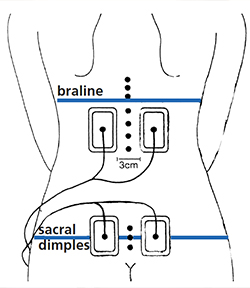
Finally, use TENS only when you can monitor it and respond to discomfort. The NHS advises not using it while sleeping, bathing or showering, driving, or operating tools or machinery. A setting that felt comfortable during a previous session is not a reason to skip the checks on a later day. Nor does the previous lesson’s discussion of high-frequency TENS establish which setting is safe or effective on a particular machine; follow its instructions and seek placement advice if needed.
Making a safe choice without delaying care
These options have different safety decisions. With heat, the immediate concern is preventing prolonged or excessive contact with skin. With exercise, it is responding to how symptoms change rather than forcing an activity. With TENS, it is checking contraindications, skin and pad placement, and the device instructions before use.
A short relief attempt can also yield useful information for the symptom diary in the next module: note what you used, when you used it, whether pain changed, and any unwanted effect such as skin irritation or increased pain. That record can inform a healthcare conversation. It must not replace timely assessment when symptoms are severe, unusual, or otherwise concerning.
The key safety rule is to adapt the treatment to the person and the situation, not simply intensify it when relief is incomplete. Use protected, time-limited heat; keep activity comfortable and stop if symptoms worsen; and check TENS suitability and instructions before placing pads or turning up the current. In the next module, you will turn observations about pain and treatment response into a useful symptom record for a healthcare visit.