Hello. In the last lesson, you compared familiar early-period cramps with changes that may suggest another cause. This lesson adds a different question: how quickly should pain be assessed? The aim is not to identify a diagnosis from symptoms. It is to choose a safe level of care when pain occurs alongside possible pregnancy, fainting, fever, unusual discharge, or heavy bleeding—and to recognize when recurring pain deserves an appointment even without an emergency sign. Allow about 30–40 minutes.
These are general triage principles, not a substitute for an assessment of your circumstances. If symptoms are happening now and seem severe or rapidly worsening, seek care rather than finishing the lesson.
Start with the most urgent sign
A familiar period-pain pattern can be reassuring, but it does not cancel out a new warning sign. Assess the current episode, then choose the highest level of care that applies:
- Emergency care now for signs of potentially serious illness or bleeding.
- Same-day medical advice or assessment for concerning symptoms without emergency signs.
- A routine appointment for persistent, worsening over time, or repeatedly disruptive pain when there are no acute warning signs.
The NHS Pelvic pain page provides a useful reference for all three levels. Its service names are UK-specific; elsewhere, use the equivalent emergency service, urgent advice service, or primary-care appointment.
Read the NHS guidance to see how the same symptom—pelvic pain—changes urgency when other signs are present.
Find the three consecutive subsections titled “Non-urgent advice: See a GP if,” “Urgent advice: Get help from NHS 111 if,” and “Immediate action required: Call 999 or go to A&E if.” Read the three lists, beginning with pain that comes and goes and ending with sudden confusion. Notice especially where possible pregnancy, faintness, and heavy vaginal bleeding fall.
Emergency: do not wait to see whether it is “just a period”
Seek emergency care now if pelvic or lower-abdominal pain is sudden and intense, severe or getting worse, or painful when you move or touch the area. Fainting, feeling faint or markedly lightheaded, shoulder-tip pain, difficulty breathing, confusion, or heavy vaginal bleeding with pelvic pain also call for emergency assessment. If you are dizzy or faint, do not drive yourself; call your local emergency number or have someone arrange safe transport.
Possible pregnancy makes particular combinations more concerning. An ectopic pregnancy develops outside the uterus and can cause internal bleeding. It can initially resemble period pain or an unusual period. If pregnancy is possible and pain is severe, sudden, or one-sided, especially with faintness, shoulder-tip pain, or bleeding, seek emergency care. Do not wait for a home pregnancy test or assume that bleeding proves it is a period. A test may not yet be positive very early in pregnancy.
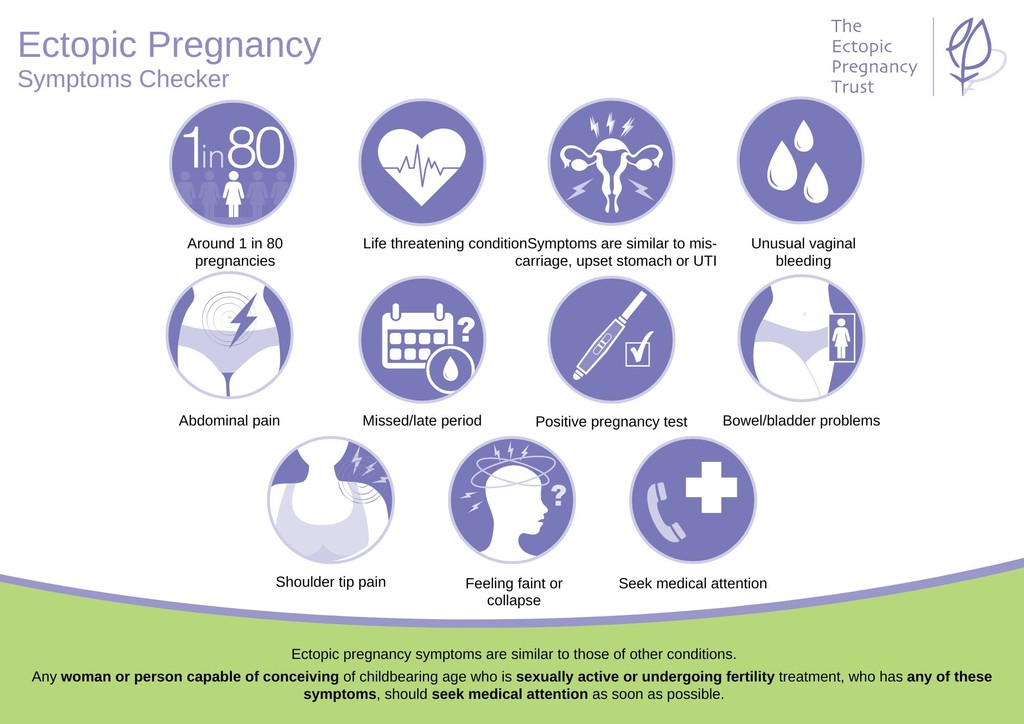
One-sided pain is a clue, not a diagnosis. New, moderate one-sided pain deserves prompt assessment even if pregnancy seems unlikely. Sudden, intense one-sided pain belongs in the emergency category because its severity and abrupt onset matter—not because its location proves a particular cause.
Same day: concerning, even if not severe
Seek same-day medical advice or assessment for pelvic pain if pregnancy is possible, even when pain is mild and there are no emergency signs. A positive pregnancy test with new pain or bleeding also warrants prompt advice. If emergency signs appear while you are arranging that advice, switch to emergency care.
New pelvic pain with fever, shivering, unusual vaginal discharge, or unusual bleeding needs prompt assessment too. Pelvic inflammatory disease is one possible explanation, but symptoms alone cannot establish it. If pain is severe or worsening, you feel faint, or you have a very high temperature and feel very unwell, use emergency care instead of waiting for a same-day appointment.
The NHS page on Pelvic inflammatory disease shows why a suspected infection should not be left until a routine visit. Read its symptom description alongside its urgent and emergency guidance.
Pelvic inflammatory disease - NHS
Read the NHS guidance to connect possible infection symptoms with the appropriate timing of care, without using the list to self-diagnose.
In “Symptoms of pelvic inflammatory disease (PID),” read the symptom description, including the point that symptoms can develop gradually. Then, in “Urgent advice: Ask for an urgent GP appointment or get help from NHS 111 if” and “Immediate action required: Call 999 or go straight to A&E if,” read both care lists. Compare an infection concern that needs prompt advice with severe pain or marked illness that needs emergency care.
Heavy bleeding needs similar attention to context. Heavy vaginal bleeding together with pelvic pain is an emergency sign in the NHS pelvic-pain guidance, particularly if you feel faint. A recurring heavier-than-usual period without acute pain, faintness, or other warning signs still deserves assessment, but it is generally a question for an appointment rather than a reason to assume an emergency. If the amount of bleeding is alarming or you feel unwell, seek urgent medical advice rather than trying to judge it from a description alone.
Routine does not mean “put up with it”
Book a routine medical appointment for pain that repeatedly makes you miss work, study, sleep, or other activities, even if it follows the usual timing of a period. Also arrange an appointment if pain has gradually worsened across cycles, lasts longer than it used to, occurs outside bleeding days, or keeps returning. Without acute warning signs, these patterns call for evaluation rather than emergency care—but they do not require you to wait through many more cycles.
The short NHS video Painful periods: Pain relief and when to seek help reinforces why daily-life disruption matters. Its appointment advice concerns ongoing patterns; use the emergency and same-day distinctions above when acute warning signs are present.
Painful periods: Pain relief and when to seek help | NHS
Watch “Painful periods: Pain relief and when to seek help” from the NHS for its distinction between pain that merits an appointment and pain for which urgent help is needed.
Watch daily-life impact for why disruptive cramps deserve care. At appointment signs, focus on worsening, longer-lasting, or out-of-period pain and missed responsibilities. The urgent-help advice names a UK urgent-advice service; use your local equivalent if needed.
Consider the difference between two episodes. Cramps that predictably occur at the start of each period but now cause missed commitments each month call for a routine appointment: the disruption matters, even if the timing is familiar. If a new episode instead includes pelvic pain, unusual discharge, and fever, seek same-day assessment. If that episode becomes severe and worsening or is accompanied by fainting, the appropriate choice becomes emergency care. The level of care changes with the signs present now; it does not depend on settling the diagnosis first.
Key takeaways
For pelvic pain, sudden severe or worsening pain, fainting, shoulder-tip pain, or heavy bleeding with pain warrants emergency assessment. Possible pregnancy with pelvic pain, or pain with fever or unusual discharge but without emergency signs, warrants same-day advice or assessment. Persistent or repeatedly disruptive menstrual pain warrants a routine appointment even when it seems like familiar cramps.
Next, the course turns from when to seek care to how common pain medicines compare for primary menstrual pain, including why timing affects their benefit.