Hello! Welcome to the final lesson of our course.
In our previous lessons, we've designed your nutritional system by creating a meal plan and establishing a monitoring dashboard with key biomarkers. Now, we will bring it all together. The goal of any well-designed system isn't just to run, but to be optimized and repaired when things go wrong. Today, we focus on becoming a skilled "operator" of your own metabolic system.
This lesson directly addresses our final practical learning outcome: to develop troubleshooting strategies for common challenges based on subjective feedback and objective data. We'll create a logical framework to diagnose issues, from the initial "keto flu" to stalls in progress, and implement targeted solutions. This will give you the confidence to adapt your approach for the long term, ensuring you can sustain the benefits you're seeking for mental sharpness and longevity.
1. The Troubleshooting Framework: Correlating Subjective and Objective Data
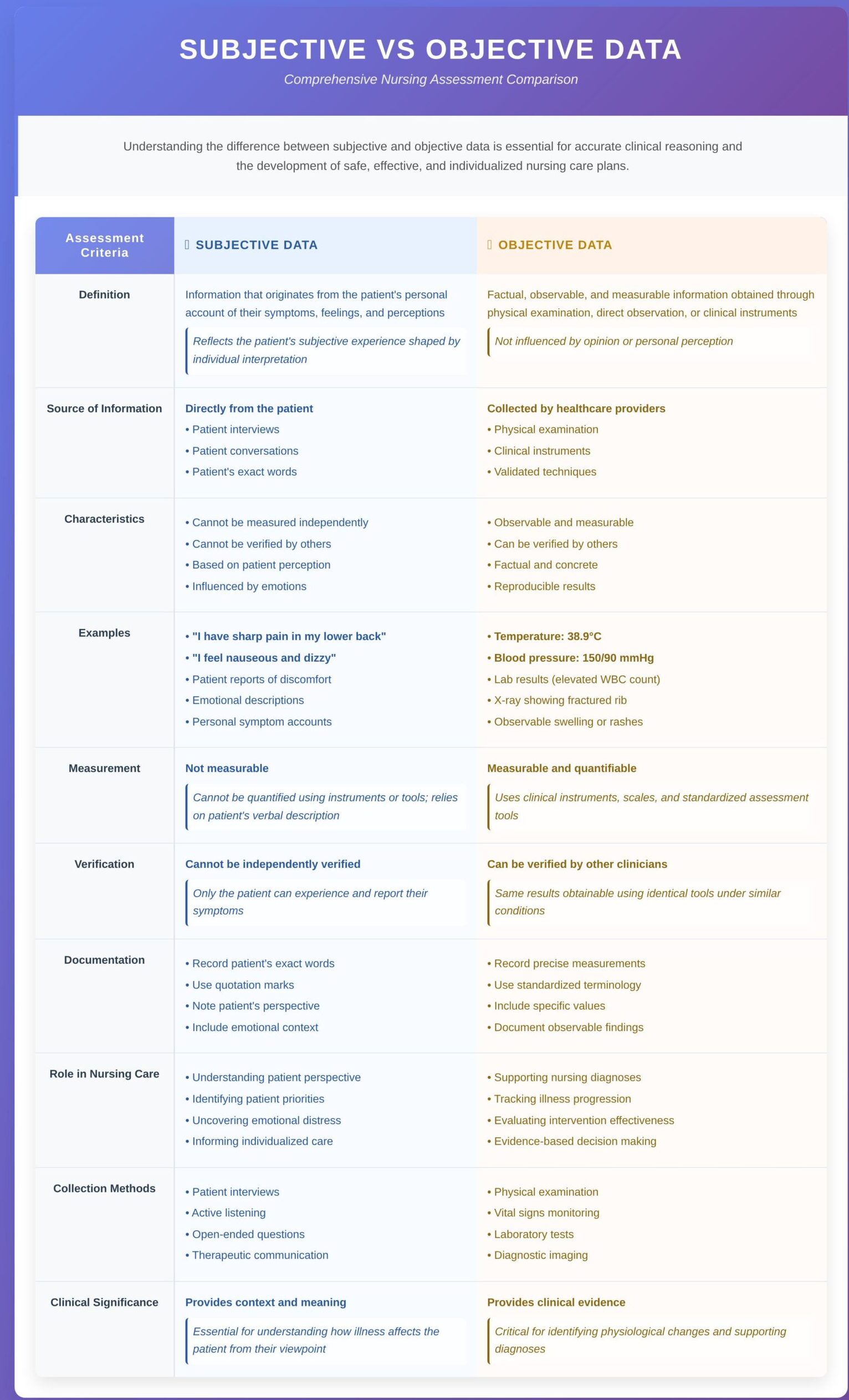
A logical approach, which I know you value, requires more than just "going by feel." It involves forming a hypothesis based on what you feel (subjective data) and testing it against what you can measure (objective data).
- Subjective Data: This is your personal experience—symptoms, energy levels, mood, hunger, and cognitive performance. It's powerful but can be influenced by many factors.
- Objective Data: This is the impartial information from your monitoring tools—blood ketone and glucose readings, CGM data, lab results (like hs-CRP or lipids), sleep tracker data, and body measurements.
The art of troubleshooting lies in the synthesis of these two data streams. For example, the subjective feeling of "brain fog" is a vague starting point. But when correlated with objective data like a blood ketone level of 0.3 mmol/L, it leads to a clear hypothesis: "I am likely experiencing brain fog because I'm not in a sufficient state of ketosis to fuel my brain effectively."
This table provides a clear distinction between the two types of data.
Now, let's apply this framework to the most common challenges.
2. Challenge #1: The "Keto Flu" & Initial Adaptation
This is the most common hurdle and the first test of your system. Symptoms typically appear within 2-3 days and resolve within a couple of weeks.
- Subjective Data: Headache, fatigue, light-headedness, irritability, muscle cramps, nausea, "brain fog."
- Objective Data: You'll see a rapid drop in weight (mostly water), and your ketone readings will be starting to climb but may not yet be consistently elevated.
To understand how to solve these issues, we first need to understand the mechanisms causing them. A comprehensive scientific review provides the necessary insights.
Symptoms during initiation of a ketogenic diet
The scoping review 'Symptoms during initiation of a ketogenic diet' is an excellent resource that summarizes the prevalence, underlying mechanisms, and mitigation strategies for common keto-induction symptoms. We'll use it as our primary guide for this section.
First, skim the section titled 'The identified articles describe...' (under 'Results') to familiarize yourself with the common symptoms. Then, focus your reading on two key parts: 'Proposed mechanisms behind keto-induction symptoms': Specifically read the subsections on 'Natriuresis, kaliuresis and hypovolemia' and 'Reduced energy substrate availability'. This will explain the why. 'Symptom mitigation and treatments': Read the subsections on 'Electrolytes' and 'Medium-chain triglycerides'. This provides the how.
Diagnosis & Solution
Based on the review, the "keto flu" is not a single entity but a collection of symptoms stemming from two primary causes:
- Electrolyte and Water Imbalance: As insulin levels drop, your kidneys excrete more sodium (natriuresis), which also pulls water and other electrolytes like potassium with it. This is the main culprit behind headaches, fatigue, and muscle cramps.
- Energy Gap: Your body has reduced its access to glucose, but it hasn't yet become fully efficient at producing and using ketones for fuel. This gap can cause "brain fog" and lethargy.
The Troubleshooting Protocol:
- Aggressively Manage Electrolytes: This is non-negotiable.
- Sodium: Add 3-5 grams of sodium (that's about 1.5-2 tsp of salt) to your daily intake, especially during the first few weeks. Drinking 2 cups of bouillon or bone broth is an easy way to achieve this.
- Potassium: Aim for 3-4 grams daily from foods like avocados, leafy greens (spinach, chard), and nuts.
- Magnesium: Supplement with 300-400 mg of magnesium glycinate or citrate, preferably in the evening, as it can aid sleep.
- Hydrate: Drink more water than usual to compensate for the diuretic effect.
- (Optional) Bridge the Energy Gap: If fatigue is significant, using Medium-Chain Triglyceride (MCT) oil can help. MCTs are a type of fat that is rapidly converted into ketones by the liver, providing a quick energy source for the brain. Start with 1 tsp to assess tolerance and gradually increase.
Dr. Andrew Huberman also offers a simple, effective trick for dealing with the light-headedness that can accompany fasting or low-carb states.
Effects of Fasting & Time Restricted Eating on Fat Loss & Health | Huberman Lab Essentials
In this clip, Dr. Huberman explains how a small amount of salt can quickly alleviate feelings of shakiness or lightheadedness by stabilizing blood volume.
Watch from 00:32:57 to 00:34:08. This provides a practical, real-time solution for a very common subjective symptom.
3. Challenge #2: Not Entering or Staying in Ketosis
You've been following the diet for a week or more, but your measurements aren't reflecting the desired state.
- Subjective Data: You don't feel any different, or you continue to experience cravings and low energy past the initial adaptation phase.
- Objective Data: Blood ketones are consistently below 0.5 mmol/L, or breath/urine tests show low levels. Your CGM shows more glucose variability than expected.
Diagnosis & Solution
Leading researchers Dr. Peter Attia and Dr. Dominic D'Agostino discuss the single biggest mistake people make.
The Biggest Mistakes People Make Starting Keto | Dominic D’Agostino, Ph.D.
Dr. D'Agostino points out that the most common error is simply not tracking what you eat. This leads to incorrect assumptions about macronutrient and calorie intake.
Watch the clip from the beginning to 00:01:21 and then from 00:03:44 to 00:04:46. Pay attention to the two key reasons for tracking: correlating food intake with ketone levels, and understanding the high caloric density of a ketogenic diet.
The Troubleshooting Protocol:
-
Track Everything Meticulously for 3-5 Days: As a tech-oriented person, you can leverage apps like Cronometer or Carbon to do this. This is a diagnostic tool, not necessarily a long-term requirement.
- Hidden Carbs: You will almost certainly find hidden carbohydrates in sauces, dressings, processed meats, or certain vegetables. The goal is to get your net carb intake consistently below 20-30 grams.
- Excess Protein: While important, very high protein intake can be converted to glucose (gluconeogenesis), which can suppress ketosis. A good starting point is 1.2-1.7 grams per kg of body weight. Tracking will reveal if you are far outside this range.
- Excessive Calories: As D'Agostino notes, calories do matter. Fat is highly calorically dense (9 kcal/gram), and it's easy to over-consume calorie-dense foods like nuts, cheese, and heavy cream, which can slow progress.
-
Correlate Inputs with Outputs: After tracking, analyze the data. Did your ketones dip after you ate that specific brand of sausage? Did your glucose spike after that large portion of nuts? This closes the feedback loop and provides actionable insights.
4. Challenge #3: Poor Sleep or Feeling "Stressed"
Some individuals report feeling "wired" at night or experiencing disrupted sleep, especially during adaptation.
- Subjective Data: Difficulty falling asleep, waking up in the middle of the night, feeling anxious or over-stimulated.
- Objective Data: A sleep tracker might show less deep sleep. A CGM could reveal a rise in blood glucose in the early morning hours (an exaggerated "dawn phenomenon") due to a cortisol spike.
Diagnosis & Solution
This is often a combination of hormonal adaptation and mineral imbalance.
The Troubleshooting Protocol:
- Time Your Last Meal: As we learned in a previous module, your insulin sensitivity is lowest at night. Eating close to bedtime can disrupt sleep architecture. Implement a strict rule of no food for at least 3 hours before bed. Dr. Huberman discusses this principle in the video LINK from 00:14:27 to 00:20:04.
- Evening Magnesium: As mentioned before, magnesium has a calming effect on the nervous system. Taking your daily magnesium supplement 1-2 hours before bed can significantly improve sleep quality.
- Manage Cortisol: The transition to keto is a physiological stressor. Your body can interpret the drop in blood sugar as an emergency, releasing cortisol.
- Ensure you are eating enough calories during the day.
- Avoid intense exercise in the late evening.
- Engage in calming activities before bed, which aligns well with your interest in Stoic practices of reflection and journaling.
Test your understanding!
After a month on the diet, you're in consistent ketosis (1.2 mmol/L), but you feel your cognitive performance isn't as sharp as you'd hoped, and your gym performance has dipped. Your subjective feeling is one of slight fatigue.
Based on our framework, what is a likely diagnosis, and what two strategies would you implement?
Show answer
This scenario suggests you are fat-adapted but perhaps not optimally fueled for high performance.
Diagnosis:
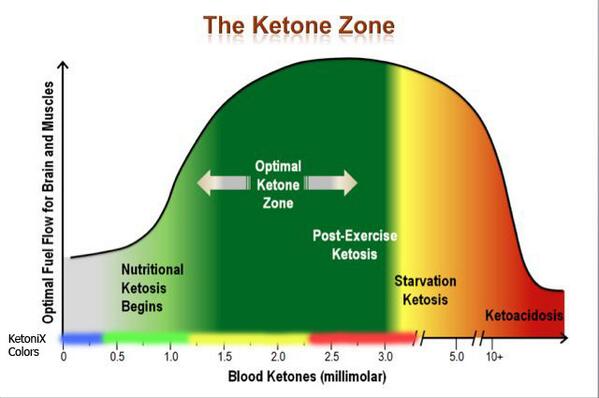
- Sub-optimal Ketone Levels: While 1.2 mmol/L is solid nutritional ketosis, the "optimal" zone for cognitive and physical benefits is often cited as being slightly higher, around 1.5-3.0 mmol/L.
- Inadequate Electrolytes for Performance: Physical exertion on a ketogenic diet dramatically increases electrolyte needs, which can cause fatigue and poor performance if not met.
Troubleshooting Strategies:
- Deepen Ketosis: To push into the optimal zone, you could slightly extend your daily fasting window (e.g., from 16:8 to 18:6) or strategically add 1-2 teaspoons of MCT oil to your coffee before a mentally demanding task to provide your brain with more ketone fuel.
- Pre-load Electrolytes: Implement a pre-workout protocol. Take ~500 mg of sodium (about 1/4 tsp of salt) in a glass of water 30-60 minutes before your workout to specifically address performance-related needs.
Conclusion: You Are the System Architect
Today, we've built a logical, data-driven framework for troubleshooting the most common challenges you might face. By systematically connecting how you feel with what you measure, you can move from guessing to knowing.
Key Takeaways:
- The Core Framework: Always correlate subjective feelings with objective data to form a testable hypothesis.
- The "Keto Flu" is Solvable: It's primarily an issue of electrolytes and hydration, not an inevitable suffering period. Proactively managing sodium, potassium, and magnesium is key.
- Stalls are Data Problems: If you're not in ketosis, the answer lies in meticulous tracking. The data will reveal hidden carbs, excessive protein, or surplus calories.
- Performance is Nuanced: Sub-optimal performance is often a matter of fine-tuning—deeper ketosis for cognitive tasks and precise electrolyte timing for physical ones.
Preview of our final step:
In our very last session, we will put this entire framework to the test. We'll move from internal troubleshooting to external evaluation, applying your skeptical and logical mindset to the broader world of nutrition information. We will apply a framework for critically assessing nutrition research to a popular media claim about the ketogenic diet or intermittent fasting. This will be the final tool in your arsenal, empowering you to navigate the complex world of health science with confidence and clarity.