Hello! Welcome to the final lesson in our module on Longevity and Metabolic Health.
In our last session, we confirmed that for a fit individual, a well-formulated ketogenic diet is an effective tool for body recomposition, preserving muscle mass while targeting fat. Today, we'll zoom out to the broader context of long-term health, directly addressing your interest in longevity. Our specific learning outcome is to identify age-specific considerations for implementing a ketogenic diet for healthspan, especially for individuals aged 40 and above.
As we enter our 40s, our physiology begins to shift. Our goal is not merely to extend lifespan, but to enhance healthspan—the period of life spent in good health, free from chronic disease and disability. The question is: how can we adjust our strategy to actively influence our biological aging process?
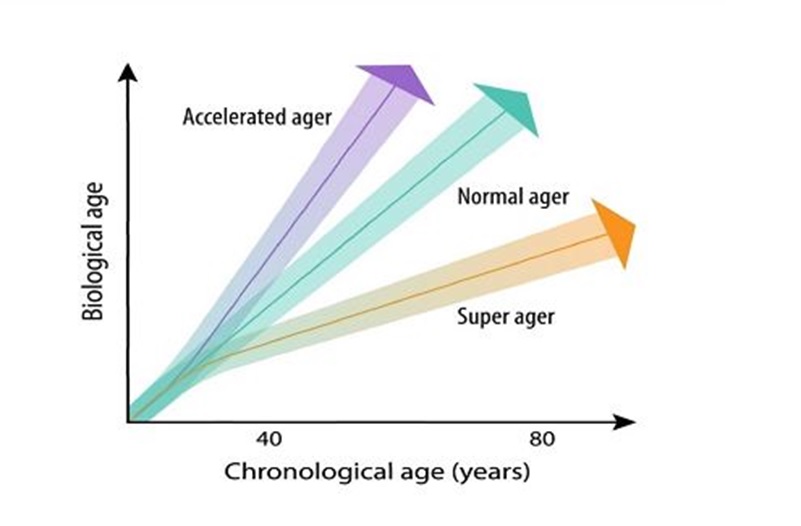
This lesson will provide a framework for using a ketogenic approach to target the specific physiological changes associated with aging, turning it into a more precise tool for promoting long-term wellness.
1. The 'Why': Keto as a Pro-Healthspan Strategy
At its core, one of the most compelling arguments for ketogenic diets in the context of longevity stems from its ability to mimic a well-studied anti-aging intervention: caloric restriction.
Decades of research have shown that reducing calorie intake extends lifespan in many species. A primary mechanism is the reduction of the hormone insulin. As you know from our previous lessons, a ketogenic diet is exceptionally effective at lowering insulin levels.
To build a mental model for this, let's explore why chronically high insulin can be thought of as a "pro-aging" signal.
Keto Diet: Anti Aging & Longevity Benefits
Dr. Sten Ekberg provides a clear conceptual framework linking insulin to the aging process. This will help you understand why managing insulin is central to a longevity strategy.
Please watch the following three segments: 02:25 - 04:40: Pay close attention to the description of insulin as a "mitogenic" hormone that accelerates cell division and turnover, which is linked to the aging process. 07:05 - 08:54: Note the dual benefit of ketosis: it produces more energy (ATP) per unit of oxygen and creates less oxidative damage (free radicals). This concept of a "cleaner-burning fuel" is a key healthspan argument. 08:54 - 11:20: Absorb the main thesis here: the ketogenic diet allows you to achieve the primary metabolic benefits of caloric restriction (low insulin, high ketones) without the major drawback of chronic hunger, making it a sustainable long-term strategy.
This framework gives us two foundational reasons why a ketogenic diet is relevant for healthspan:
- It lowers insulin: Reducing the primary hormonal signal that can accelerate aging processes.
- It elevates ketones: Providing a more efficient and cleaner energy source for your cells, which may reduce cumulative damage over time.
2. The 'What': Practical Adjustments for the Over-40 Individual
With this "why" in mind, a generic ketogenic diet is not sufficient. We must adapt the strategy to counter specific physiological shifts that begin around age 40.
The following video from Dr. Nick focuses on exactly these practical modifications. We will use it as a guide to structure our adjustments.
IS THE KETO DIET SAFE AND HOW TO DO IT, IF YOU'RE OVER 40?
This video, 'IS THE KETO DIET SAFE AND HOW TO DO IT, IF YOU'RE OVER 40?', offers a series of practical recommendations that directly address the learning outcome. We will break them down systematically.
Watch the video in its entirety from 01:50 to 19:11. As you watch, focus on the specific problems of aging he identifies and the corresponding dietary solutions he proposes. We will analyze these in detail below.
Let's dissect the key recommendations from the video and fortify them with additional evidence.
A. Countering Age-Related Muscle Loss (Sarcopenia)
As Dr. Nick points out, we begin to lose muscle mass as we age. This is known as sarcopenia. While our last lesson established that keto is muscle-sparing, we need to be more proactive to combat this age-related decline.
- The Adjustment: Increase protein intake. Dr. Nick suggests bumping protein from a typical 25% of calories to 35-40%.
This is arguably the single most important modification for healthspan. To add precision to this recommendation, let's consult a scientific guideline.
Guidelines for Protein Intake on a Keto Diet
The article 'Guidelines for Protein Intake on a Keto Diet' from Diet Doctor provides specific, evidence-based targets that align with Dr. Nick's advice.
Please read the short paragraph under the heading 'Guidelines for individualized protein intake' that begins with 'Muscle protein synthesis declines from the third decade...'.
The key takeaway is that protein research experts believe older people need a minimum of 1.2 grams per kilogram of body weight daily to counteract muscle loss. For more active individuals or those looking to optimize body composition, aiming for the higher end of the recommended range, around 1.6 to 2.0 g/kg, is a sound strategy. This reinforces the conclusion from our previous lesson while adapting it for age.
B. Optimizing Hormones and Reducing Inflammation
Aging is often associated with unfavorable hormonal shifts and a state of chronic, low-grade inflammation ("inflammaging"). The video highlights how a ketogenic diet can positively influence this.
- Hormonal Health: The diet's high intake of healthy fats provides the necessary precursors for hormone production, including testosterone.
- Inflammation & Recovery: By shifting away from glucose, the body produces fewer inflammatory free radicals. Furthermore, the ketone body BHB actively blocks inflammatory pathways, which can lead to reduced joint pain and faster recovery from exercise—a common concern as we age.
C. Supporting Connective Tissues and Cellular Renewal
Dr. Nick mentions two other powerful strategies relevant to healthspan:
- Collagen: As we age, the integrity of our connective tissues (skin, joints, ligaments) declines. Directly consuming more collagen, either through bone broth or supplements, can provide the building blocks to support these tissues.
- Prolonged Fasting: This links directly to your interest in IF. Dr. Nick discusses fasts of 24-48 hours. The metabolic stress from a longer fast is thought to trigger powerful anti-aging mechanisms, such as clearing out old, damaged cells (autophagy) and stimulating stem cells, which are critical for regeneration and repair. He mentions their role in producing telomerase, an enzyme that protects the ends of your DNA from age-related shortening.
Test your understanding!
A 45-year-old colleague is considering a ketogenic diet for weight loss. They plan to follow a standard plan with 75% fat, 20% protein, and 5% carbs. Based on what you've learned, what is the single most important piece of advice you would give them to adapt this plan for their age?
Show answer
The most critical advice would be to reconsider the protein target. A standard 20% might not be sufficient to counteract age-related muscle loss (sarcopenia). You would explain that muscle protein synthesis declines with age, and experts recommend a higher intake—at least 1.2 g/kg of body weight, and likely closer to 1.6-2.0 g/kg—to preserve lean mass, which is crucial for long-term metabolic health and physical function. This means they should prioritize hitting a specific gram target for protein rather than just sticking to a percentage.
3. A Nuanced Look: Is 40 a Good Age to Start? Does it Work if You're Already Fit?
Your logical and skeptical nature will appreciate that the evidence is not always straightforward. A comprehensive scientific review article, "The Effects of Intermittent Fasting on Brain and Cognitive...", contains some highly relevant nuances for your specific situation. I've extracted the key points to save you from reading the dense publication.
- On the Optimal Starting Age: The review notes that while human data is limited, animal studies provide intriguing clues. In non-human primates, starting IF in adulthood or middle age yielded clear benefits for survival, whereas starting very early in life was sometimes counter-effective. This suggests that middle age—right where you are—may be a particularly opportune time to implement these strategies.
- On its Relevance for Fit Individuals: The paper asks whether the benefits of IF are mainly due to weight loss in obese individuals. It concludes that while many studies focus on this group, several clinical trials have found protective effects (e.g., lowered risk factors for neurological disease) in healthy, non-obese subjects as well. This supports the hypothesis that the benefits go beyond mere weight management.
These points from the scientific literature add valuable, specific context to the broader recommendations and should give you confidence that this approach is relevant to your personal situation.
Conclusion
Today we've constructed a framework for adapting the ketogenic diet from a general dietary plan into a targeted strategy for enhancing healthspan for someone over 40. The evidence suggests this is not only possible but that middle age may be an ideal time to begin.
Key Takeaways:
- A primary mechanism for keto's pro-healthspan effects is its ability to lower insulin and elevate ketones, mimicking the benefits of caloric restriction in a sustainable way.
- For individuals over 40, a "well-formulated" ketogenic diet requires specific adjustments to counter age-related physiological changes.
- The most critical modification is increasing protein intake to a target of at least 1.2-1.6 g/kg of body weight to combat age-related muscle loss.
- Other key considerations include ensuring adequate fat for hormone production, consuming collagen for connective tissue health, and leveraging the anti-inflammatory effects of ketones.
- Integrating periods of intermittent or prolonged fasting can amplify cellular renewal processes like autophagy and stem cell stimulation, further contributing to healthspan.
You now have a complete theoretical model of how ketogenic metabolism works, its effects on key health markers, and how to tailor it for longevity. We are ready to move from theory to practice.
Preview of the next lesson: In our next lesson, we will begin the "Practical Application and System Design" module. Our first step will be to calculate personalized macronutrient targets for achieving nutritional ketosis. We will take the principles learned today—especially the need for higher protein—and translate them into concrete numbers to build the foundation of your personal plan.