Hello! Welcome to the final lesson in our module on Aesthetic Principles in Bra Design.
In our previous lesson, we examined how seam lines and paneling are not just structural necessities but also powerful tools for creating visual style. We established that in thoughtful design, function and form are deeply intertwined.
Today, we will complete our exploration of aesthetic principles by focusing on the elements that add the final layer of detail and personality to a bra. This lesson addresses the learning outcome: Analyze how hardware, trim, and decorative fabrics like lace are integrated to enhance aesthetic appeal. We'll look at how these components, from the type of lace on the cup to the style of the strap adjusters, are crucial in defining a bra's character, quality, and mood.
Let's begin by identifying the key players in this part of the design process.
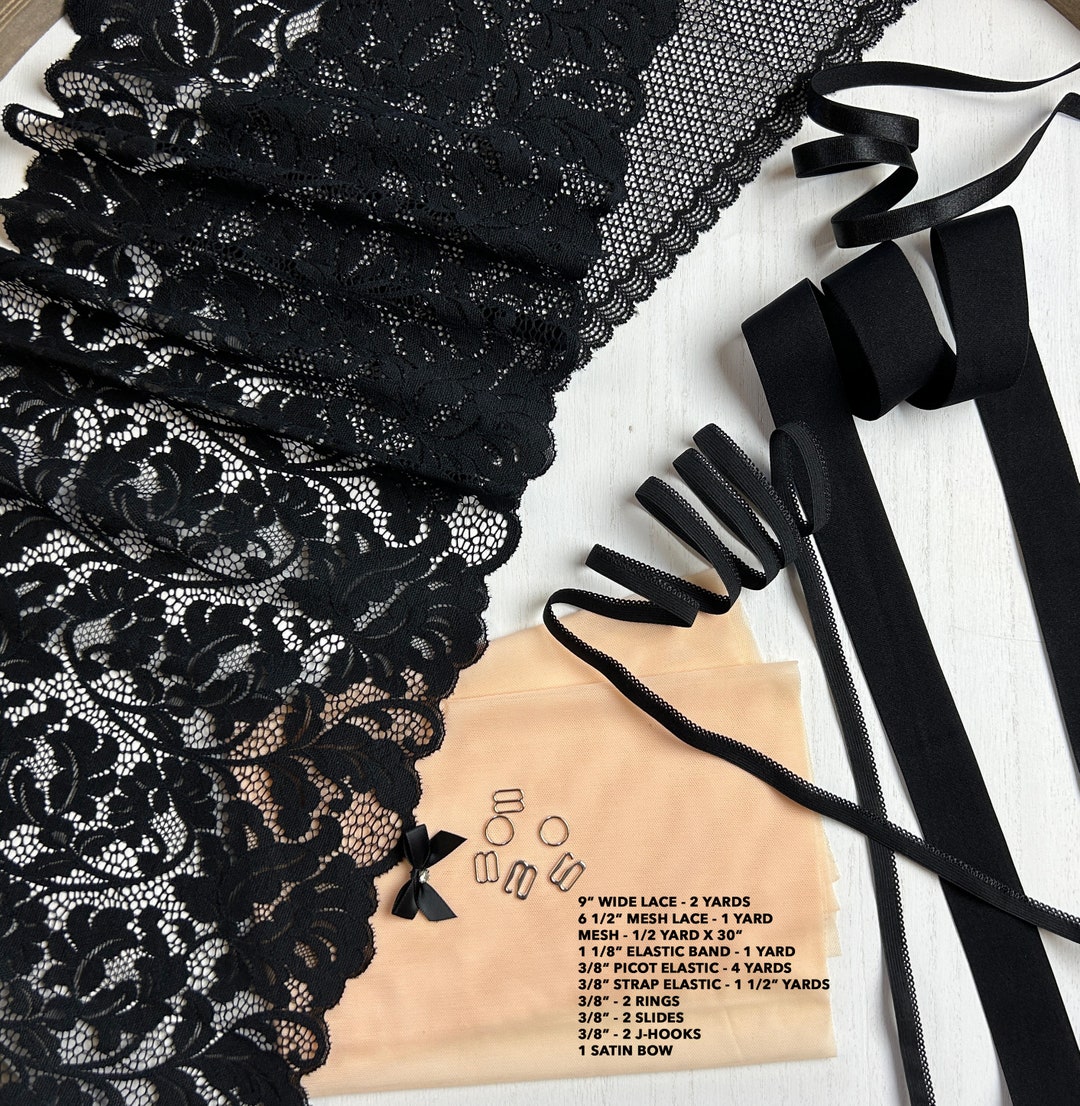
1. The Language of Decorative Fabrics: A Deep Dive into Lace
While many fabrics can be decorative, lace is the quintessential material for lingerie aesthetics. However, "lace" is not a single entity. Understanding the different types of lace is fundamental to using it effectively in design. Your background in statistics involves classifying data to understand underlying patterns; similarly, classifying lace types helps us understand their aesthetic potential.
The Language of Lace: From Chantilly to Leavers, How Different ...
To build this foundational knowledge, let's turn to an article titled 'The Language of Lace' from CNHAVING. It provides an excellent breakdown of the most common lace types used in lingerie.
Please read the sections 'What Is True Lace?' and 'How Are Different Types of Lace Made and What Makes Each Unique?'. Pay close attention to the descriptions and the comparison table for Raschel, Leavers, and Chantilly lace.
From your reading, you'll have noted these key distinctions:
- Raschel Lace: The versatile and affordable "workhorse," produced efficiently on modern machines. It's durable and suitable for everyday lingerie.
- Leavers Lace: The luxury standard, made on antique machines. It produces extremely fine, complex patterns that mimic handmade lace, making it ideal for high-end pieces.
- Chantilly Lace: A specific, delicate type of Leavers lace with patterns that seem to "float" on a fine net background, creating an ethereal, romantic quality.
Choosing a lace is therefore a primary aesthetic decision. It sets the tone for the entire garment.
Now, let's explore how these technical differences translate directly into style and mood.
The Language of Lace: From Chantilly to Leavers, How Different ...
Continuing with the same article, the next section explains how these material choices evoke specific feelings and styles.
Read the section titled 'How Do Different Lace Types Create Distinct Aesthetic Effects in Lingerie?'. Focus on the connection between a lace type (like Chantilly or Guipure) and the emotional response it's intended to create.
As the article highlights, the choice is about storytelling:
- Chantilly for romance and femininity.
- Guipure (a heavier, bolder lace) for confidence and statement pieces.
- Geometric Raschel for a modern, youthful feel.
The choice of lace is one of the first and most critical steps in defining the aesthetic of your design.
2. Strategic Integration: Application and Combination
Effective design is about more than just selecting the right lace; it's about how that lace is integrated into the garment. The placement and application of decorative fabrics can elevate a design from basic to luxury.
The Language of Lace: From Chantilly to Leavers, How Different ...
The 'Language of Lace' article also details several professional techniques for applying lace to maximize its impact.
Please read the final section, 'How Can You Maximize the Impact of Lace Through Strategic Application Techniques?'. Pay attention to the descriptions of appliqué and combining lace with other materials.
The key techniques for integrating decorative fabrics include:
- Appliqué: Cutting individual motifs from lace and stitching them onto a base fabric. This creates a highly detailed, "floating" effect and is a hallmark of couture lingerie.
- Layering: Placing lace over another fabric. Lace over a contrasting color satin makes the pattern pop, while lace over sheer mesh creates depth and a "reveal-and-conceal" effect.
- Framing: Using lace as a border or trim to outline panels of other materials. This is a cost-effective way to incorporate a touch of luxury.
These techniques, combined with other decorative fabrics like the ultra-fine meshes, tulle, and organza mentioned in trend reports, allow you to control the texture, sheerness, and overall visual narrative of your design.
3. Hardware and Trims: The Functional Jewellery of a Bra
Finally, let's consider hardware and trims. These are often seen as purely functional necessities—strap adjusters, hook-and-eye closures, elastic edges. However, in modern design, these elements are increasingly treated as crucial aesthetic components.
The current "underwear-as-outerwear" trend, where bras are meant to be seen, has placed a spotlight on these details.
Bra Design Trends SS26 | Comfort Meets Innovation - ECI Elastic
Let's explore this trend with an article from ECI Elastic, which discusses how details and materials are evolving.
Please read the subsection 'Materials & Details' and the short section that immediately follows it. Focus on how trims and hardware—like closures, straps, and decorative elastics—are being used as fashion features.
As the article notes, details matter immensely.
- Hardware: Closures are moving to the front to become decorative centerpieces. Rings and slides are being made in custom shapes or contrasting metallic finishes. Ornate back clasps are designed specifically to be shown off.
- Trims: Picot elastic (the kind with a small decorative loop along the edge) is a classic trim, but now we also see wide, decorative elastic bands, logo-printed elastics, and soft fold-over elastics used for both function and visual appeal. Even a simple satin bow at the central gore can center the design and add a traditional feminine touch.
Let's analyze a design where these elements come together.
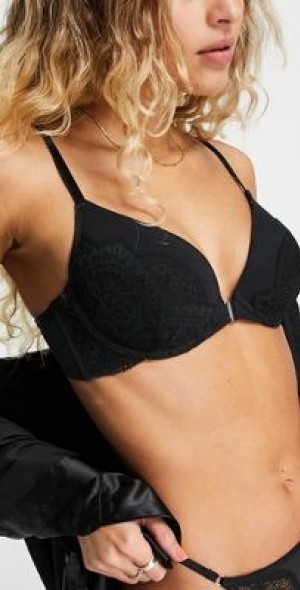
Even in highly functional bras, these aesthetic details are now standard. The ECI article points out that high-support bras now feature "lace adornments, cute color options...and design elements like keyhole cutouts or decorative front straps that add style without compromising support." This shows that integrating aesthetic details is a universal principle in contemporary bra design.
Conclusion
Today we've deconstructed the "finishing touches" of bra design, revealing them to be foundational aesthetic choices.
Key Takeaways:
- Decorative fabrics, especially lace, are chosen for their specific technical properties and the distinct aesthetic mood they create (e.g., romantic Chantilly vs. bold Guipure).
- Strategic integration through techniques like appliqué, layering, and framing enhances the visual impact and perceived value of a garment.
- Hardware and trims are no longer just functional. In modern design, they are often key decorative features, serving as focal points and style statements.
- The thoughtful selection and integration of these elements are what separate a basic undergarment from a sophisticated piece of lingerie design.
Next Up:
This lesson concludes our module on the foundational principles of aesthetics. You now have a complete framework for analyzing the visual design of a bra, from its core structure and seams to its surface elements and finishing details.
In the next module, we will begin applying this knowledge to the specific bra styles you are focusing on. We'll start with The T-Shirt Bra, analyzing how its primary purpose—creating a smooth, invisible silhouette—dictates every design choice, from molded cup construction to the selection of seamless fabrics and minimalist trims.