Introduction
Welcome back! In our last lesson, you developed a sharp analytical lens, using the Value Proposition Canvas and the "4 Us" framework to deconstruct a single creator's product strategy. You learned to distinguish between a "nice-to-have" aesthetic product like a wallpaper and a "must-have" productivity tool like a template by analyzing the job, pains, and gains of their respective customers.
Today, we're zooming out from that micro-view to a macro-survey of the entire market. This lesson is designed to address the learning outcome: Identify trending digital product categories on Gumroad, Payhip, and Creative Market. You'll explore what's currently popular, discover the distinct character of each marketplace, and begin to see where your own skills and interests might fit into this landscape.
1. Surveying the Landscape: What Are Creators Selling?
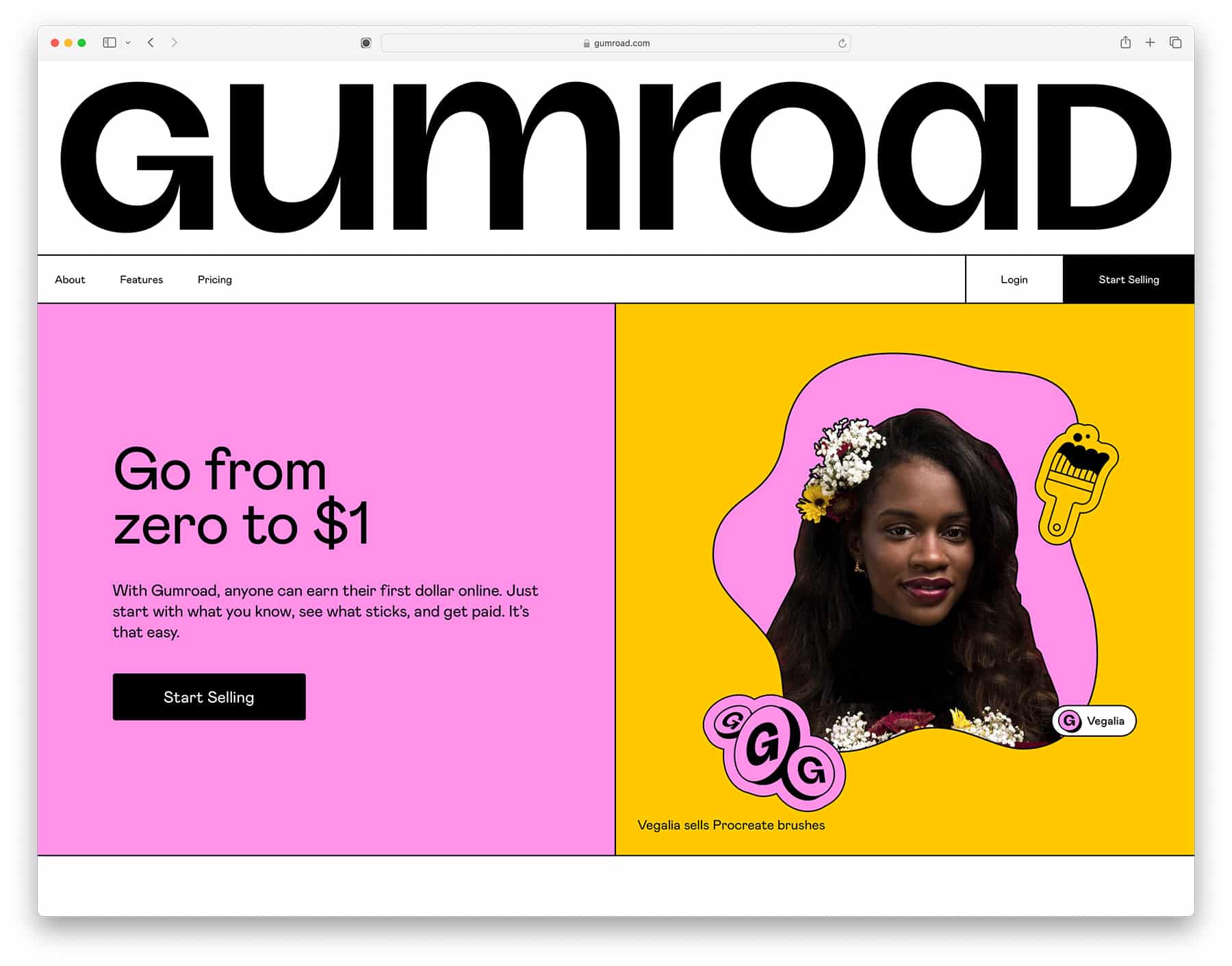
Let's start by getting a broad overview of the types of products individual creators are successfully selling. Gumroad and Payhip are excellent places to start, as they are popular platforms for creators selling everything from simple guides to complex systems.
7 Realistic Digital Products Anyone Can Sell in 2025
First, let's watch a video from the creator Alek that breaks down several popular digital product categories. This will give us a solid starting list.
Watch the following segments and, in your project management tool, start a list of the product categories mentioned: Lead Magnet Templates: 01:03 - 03:41 AI Prompt Packs: 09:11 - 10:57 Custom Fonts: 10:57 - 12:42 Digital Planners: 12:42 - 14:12
Now, let's expand that list with another perspective.
14 Realistic Digital Products Anyone Can Sell in 2026
This video from Travis Nicholson provides another list of popular products, reinforcing some categories and adding new ones. He focuses heavily on Gumroad.
Watch these sections and add any new categories to your list. Notice the recurring themes. Notion Templates: 00:25 - 01:05 Course Handbooks/Bundles: 01:28 - 02:01 AI Prompt Guides: 03:31 - 04:10 Canva Templates: 04:10 - 04:43
By now, you should see some clear patterns emerging. Products that save time, provide a system, or offer a shortcut to a desired result are extremely popular. Categories like templates (Notion, Canva), guides (prompts, ebooks), and planners consistently appear.
2. An Analytical Deep Dive into Market Trends
Having a list of popular products is a good start, but as you appreciate a systematic approach, let's analyze these trends more deeply. Why are some categories more competitive than others? Where are the emerging opportunities?
The following resource from Accio provides a business-style analysis of Gumroad's top-selling categories. It introduces concepts that will be invaluable as you think about your own strategy.
Top Selling Gumroad Categories in 2025 - Accio
This article, 'Top Selling Gumroad Categories in 2025', is structured like a market analysis report. It evaluates product categories based on market performance and competition, which aligns perfectly with your interest in systematic frameworks.
Read the sections titled 'Hot Selling Summary Table' and 'Scenario Analysis'. As you read, focus on understanding the difference between a Red Ocean (high competition) and a Blue Ocean (low competition, high opportunity).
This analysis gives us a more sophisticated view:
- Notion Templates are in a "Red Ocean." This means demand is high, but so is competition. To succeed, you must find a specific, underserved niche (e.g., "Notion for Accountants" instead of just "Notion Planner").
- AI Prompt Packs are in a "Blue Ocean." Demand is high and growing, but the market isn't yet saturated. This represents a strong opportunity, especially given your interest in computer science.
This framework of analyzing market saturation is a crucial step in moving from a broad idea to a viable product plan.
3. The World of Digital Assets: Creative Market and Beyond
While Gumroad and Payhip are hubs for systems and knowledge products, other platforms specialize in digital assets—the building blocks that other creators use. Creative Market is a prime example. Your background in the Adobe suite makes this an important area to explore.
The following resource from Payhip provides an exhaustive list of digital product types. We'll use it to zero in on asset-based products.
20 Most Profitable Digital Products to Sell in 2026 - Payhip
The article '20 Most Profitable Digital Products to Sell in 2026' from Payhip is a comprehensive catalog. We'll use it as a reference to identify product types that are primarily design or media assets.
You don't need to read the entire article. Instead, scroll through the main list and read the descriptions for these five categories, which are excellent examples of digital assets: #9. Digital art #11. Design assets & graphics & fonts #13. Photography presets and Lightroom presets #14. Video and video assets (LUTs, editing packs) #19. Website themes and templates
These categories—presets, fonts, graphics, video overlays—are different from Notion templates. Their value proposition isn't just about saving time; it's about providing a specific aesthetic or technical component that another creator can use in their work. Your skills with Photoshop, Illustrator, and Premiere Pro are directly applicable here.
4. Your Turn: Digital Product Market Scan
Now it's time to synthesize your research. In your project management tool, create a new page titled "Digital Product Market Scan." Recreate the table below and fill it out based on the resources you've reviewed today.
This exercise will help you consolidate your knowledge and begin to filter these market trends through the lens of your own interests and skills. I've filled in the first two rows as an example.
| Product Category | Core Value Proposition | Primary Target Audience | Key Marketplaces | Personal Interest (Low/Med/High) & Notes |
|---|---|---|---|---|
| Notion Templates | Organize life/business, save time. | Students, freelancers, small businesses. | Gumroad, Payhip | [Your evaluation here] |
| AI Prompt Packs | Get better results from AI, improve productivity. | Marketers, writers, creators, developers. | Gumroad | [Your evaluation here] |
| Digital Planners | [Your evaluation here] |
|||
| Canva Templates | [Your evaluation here] |
|||
| Photography Presets | [Your evaluation here] |
|||
| Fonts | [Your evaluation here] |
|||
| Video Assets (LUTs) | [Your evaluation here] |
Take about 15 minutes to complete this table. For the "Personal Interest" column, think about which categories excite you and align with the skills you already have or want to develop.
Conclusion
Great work today. You've successfully scanned the digital product landscape, moving from a general list of ideas to a more structured analysis of market categories and competitive environments.
Key Takeaways:
- Trending digital products often fall into several major groups: Productivity Systems (Notion/Excel templates), Creative Accelerators (Canva templates, AI prompts), and Design Assets (fonts, presets, graphics).
- Marketplaces have different characters: Gumroad/Payhip are strong for creator-led info products and systems, while Creative Market is a hub for design assets.
- Understanding market saturation (Red Ocean vs. Blue Ocean) is critical for identifying viable opportunities. A great product in a crowded market needs a strong niche to succeed.
Preview of the Next Lesson:
Your market scan has given you a high-level map of the terrain. In the next lesson, "Conduct competitor analysis by evaluating pricing strategies, product presentation, and customer reviews," we'll zoom in on a single category. You'll learn how to pick a promising niche and dissect what the top sellers are doing right, preparing you to carve out your own space in the market.