Hello! Welcome to your fourth lesson in the "Foundations of Dutch E-commerce" module.
Introduction
Over the last three lessons, we've built a solid foundation. We started by mapping the major e-commerce channels in the Netherlands, then analyzed the pros and cons of marketplaces versus dedicated webshops, and most recently, we delved into the specific behaviors and expectations of Dutch online consumers.
This lesson is where we synthesize that knowledge to make our first critical strategic decision. The learning outcome is to formulate a decision to start with a marketplace (Bol.com) to maximize initial reach with minimal setup. We will structure a clear, evidence-based argument for why this is the most logical and efficient path for launching your new e-commerce venture, aligning with your goals of prioritizing high margins and eventually building a passive income stream.
1. Recapping the Strategic Choice: Marketplace vs. Webshop
As we discussed, every new e-commerce entrepreneur faces a choice between building their own webshop (an e-commerce platform) or selling on an existing platform (an online marketplace). Let's quickly refresh our understanding of these two models and their core trade-offs.
Ecommerce Platform vs. Online Marketplace: Which Is Better?
The following video from WebFX clearly defines the two models and summarizes the main benefits and drawbacks we've discussed previously. This will serve as a quick recap.
Please watch from the beginning until 03:59. Focus on the definitions of an e-commerce platform vs. a marketplace, the key benefit of marketplaces ('increased visibility'), and the primary drawback of platforms ('it takes more work').
As the video reinforces, the fundamental trade-off is Control vs. Reach.
- A dedicated webshop offers maximum control over your brand, customer relationships, and profit margins (no commissions). However, it requires a significant upfront investment in time, technical setup, and marketing to generate traffic and build trust from scratch.
- A marketplace offers immediate access to a massive, existing customer base and a trusted, ready-made infrastructure for payments and logistics. The trade-off is less control, direct competition, and paying commissions on every sale.
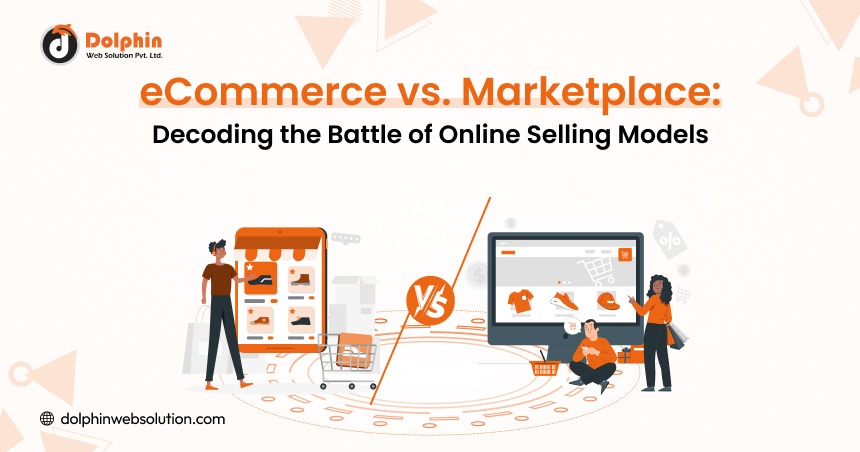
For a new business with no existing brand recognition, the challenge of attracting customers to a new, unknown webshop is substantial. This is why starting on a marketplace is often the more pragmatic approach.
2. Why a Marketplace Aligns with the Dutch Consumer
Our last lesson on Dutch consumer behavior provides the strongest argument for starting with a marketplace. Dutch shoppers are deliberate, value trust immensely, and have high expectations.
Let's consider how a marketplace like Bol.com inherently addresses these consumer needs:
- Trust: They already trust the Bol.com brand. This trust extends to the sellers on the platform, bypassing the difficult and slow process of building credibility for a new, independent webshop.
- Payments: Marketplaces have iDEAL, BNPL, and other preferred payment methods fully integrated. This is a critical trust signal that you get automatically.
- Logistics: They offer fulfillment services that meet the high expectations for fast delivery and easy returns, removing a major operational burden from you.
- Reviews: The platform's built-in review system is a central part of the shopping experience, aligning perfectly with the research-driven nature of Dutch consumers.
By starting on a marketplace, you are essentially leveraging a platform that is already perfectly optimized for the local consumer.
3. Making the Case for Bol.com
While other marketplaces like Amazon.nl exist, Bol.com stands out as the strategic starting point for the Dutch market. It is not just a marketplace; it is the dominant marketplace in the Netherlands.
Marketplace Netherlands vs Online store in the Netherlands
The following article provides a direct comparison of selling channels in the Netherlands and makes a clear recommendation for new sellers.
Please read the sections 'Sale on Marketplace in the Netherlands' (including its advantages and disadvantages), 'The most popular Marketplace sales platforms in the Netherlands' (focus on the description of Bol.com), and 'Marketplace Netherlands vs Online store - which to choose?'. Pay attention to why the author recommends starting with a marketplace to 'minimize risk'.
The key arguments for choosing Bol.com are compelling:
- Unmatched Reach: With over 13 million users, Bol.com gives your products immediate visibility to the largest possible audience in the Netherlands and Belgium. This directly addresses the goal of maximizing initial reach.
- Pre-built Trust: Bol.com is a household name. Selling on their platform allows you to borrow their credibility from day one.
- Minimal Setup Cost: You only pay a commission when you make a sale. There are no fixed monthly fees for a basic seller account, unlike Amazon. This minimizes financial risk while you are testing products.
- Simplified Operations: You can use their infrastructure for everything from payment processing to logistics and customer service, drastically reducing your initial operational complexity.

The process to get started is also relatively straightforward for a resident with a Dutch business registration (which we will cover in Module 4).
4. Acknowledging the Trade-offs: A Strategic Decision
Of course, this decision is not without its downsides. Acknowledging them is part of making an informed strategic choice.
How to sell on bol.com? A complete step-by-step guide...
To get a balanced view, let's look at a resource focused specifically on selling on Bol.com. It details the benefits but also clearly lists the disadvantages.
Please read the sections 'Why sell on bol.com?', 'What does it cost to sell via bol.com?', and 'The disadvantages of selling on bol'. This will reinforce the benefits while providing a clear-eyed view of the costs and challenges.
The main trade-offs are:
- Commissions: Bol.com charges a commission on each sale (a fixed amount + a percentage). This directly impacts your profit margin. For now, it's best to view this as your customer acquisition cost. You are paying for access to their audience instead of spending money on Google Ads or social media marketing for your own webshop.
- Brand Building: It is difficult to build your own brand identity. Customers are "Bol.com customers," not "your customers." This is an acceptable trade-off at the start. The initial goal is market validation and cash flow, not brand building. A successful product on Bol.com can later fund the launch of a dedicated brand webshop.
- Competition: You are listed directly beside your competitors, which can lead to price pressure. This risk can be mitigated by sourcing unique, high-quality products from Turkey that are not easily replicated—a core part of your strategy that we will explore in the next module.
Conclusion: Formulating Your Starting Strategy
Based on our analysis, the decision becomes clear. For a new entrepreneur with no existing brand, targeting the trust-centric Dutch market, the most effective and lowest-risk strategy is to start by selling on Bol.com.
This decision aligns perfectly with your goals:
| Your Goal | How Starting on Bol.com Aligns |
|---|---|
| Maximize initial reach | Grants immediate access to millions of active, trusting Dutch and Belgian shoppers. |
| Minimal setup & risk | No need to build a webshop, integrate payments, or spend on marketing. Pay-per-sale model minimizes upfront financial commitment. |
| High profit margins | Commissions are a factor, but this is offset by a €0 marketing budget. Profitability is shifted to focus on product sourcing and pricing. |
| Path to passive income | Allows use of Logistiek via Bol (LvB) to outsource fulfillment, a key step towards automation and a more hands-off business model. |
By choosing Bol.com, you are not just picking a sales channel; you are adopting a strategic tool to test your products, understand the market, and generate revenue with maximum efficiency.
Key Takeaways:
- For a new seller, marketplaces offer a superior trade-off of reach versus effort compared to building a webshop from scratch.
- Bol.com is the dominant marketplace in the Netherlands, and its platform is inherently aligned with Dutch consumer expectations for trust, payments, and service.
- The primary disadvantages (commissions, lack of brand control) are acceptable trade-offs during the initial phase of market validation.
- The decision is made: Your entry strategy will be to launch your first products on Bol.com.
Preview of the Next Lesson:
With our initial sales channel decided, we can now turn our attention to the supply side of your business. In the final lesson of this module, we will explain the high-level process of importing from Turkey to the Netherlands, considering the EU-Turkey Customs Union. This will bridge your sourcing plan with your sales plan, completing the foundational overview of your business.