Welcome back. In the last lesson, you put theory into practice by writing the same scene from two different points of view, seeing firsthand how a shift in perspective can completely transform a story. You've learned to control what the reader sees and feels by choosing whose eyes they look through.
Today, we will take that understanding a step further. This lesson concludes our module on narrative voice by turning our attention from creating voice to analyzing it. We will investigate how master storytellers craft their unique authorial styles. Your learning goal is to analyze published fiction to identify distinctive authorial voices and techniques. Think of this as a "reverse-engineering" process. By taking apart the work of authors you admire, you'll discover the specific tools and techniques they use, which is an essential step toward building your own powerful and distinctive writing style.
Given your appreciation for stories like Harry Potter, we will use J.K. Rowling's work as our primary case study to see how these techniques operate in a story you know well.
What is Authorial Voice?
First, let's clarify what we mean by "voice." Authorial voice is the unique fingerprint an author leaves on their work. It’s the quality that makes their writing recognizable, reflecting their personality, attitude, and style. It's more than just choosing a first- or third-person point of view; it's about the combination of word choice, sentence structure, tone, and perspective that creates a specific reading experience.
To get a clearer sense of this, let's turn to an article that unpacks the concept.
Crafting Fabulous Fiction: Do You Hear Voices? Refining Your Authorial Style
This article from Writing-World.com provides clear definitions of authorial voice and illustrates the concept with examples from famous authors.
First, read the initial section to understand the formal definition of voice and how it differs from point of view (or "person"). Next, study the three examples from Mark Twain, Amy Tan, and Mark Haddon. Try to "hear" the distinct voice in each passage. Finally, read the breakdown titled "How It's Done". Pay close attention to how the author dissects the examples, analyzing the specific choices in words, phrases, and sentence structure that create each unique voice.
As the article demonstrates, voice is not some abstract, magical quality. It is the result of deliberate and consistent authorial choices. Mark Twain's ironic, folksy intelligence is built with words like "upholstered" to describe women. Mark Haddon creates the voice of a boy with autism through precise, factual observations and simple sentence structures. The combination of these micro-level choices creates the macro-level effect of a distinctive authorial voice.
Deconstructing the Author's Toolkit: A Case Study of J.K. Rowling
Now, let's apply this analytical lens to an author you're very familiar with. Analyzing an author's style isn't just about prose; it's also about identifying their signature techniques in characterization, plotting, and theme. One reason the Harry Potter series resonates so deeply with readers is Rowling's masterful control over these elements.
A short video essay highlights a key aspect of her voice, particularly in the opening of the first book.
How the first Harry Potter novel hooked readers: Voice vs. Exposition (video essay)
This video, "How the first Harry Potter novel hooked readers," analyzes the narrative voice Rowling establishes in the early chapters.
Watch the segment from 08:14 to 11:05. The creator discusses Rowling's "moralistic tone," comparing it to that of Roald Dahl. Notice how this judgmental, fairy-tale-like voice immediately sets reader expectations and establishes the story's core themes without needing heavy-handed exposition.
This "moralistic tone" is a core component of Rowling's voice. It immediately aligns us with the underdog protagonist and creates a clear sense of right and wrong, which is fundamental to the world she builds.
To go deeper, we'll consult a fascinating academic paper that analyzes the literary techniques that contribute to the series' success. This will give you a framework for identifying the kinds of techniques to look for in any author's work.
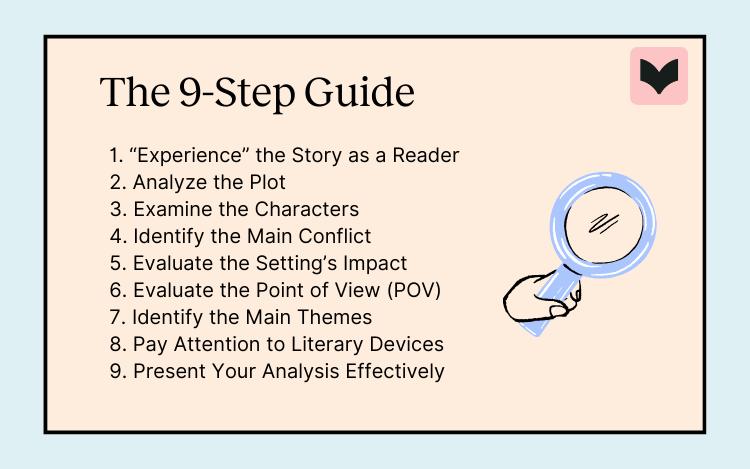
Technique 1: Long-Form Character Development
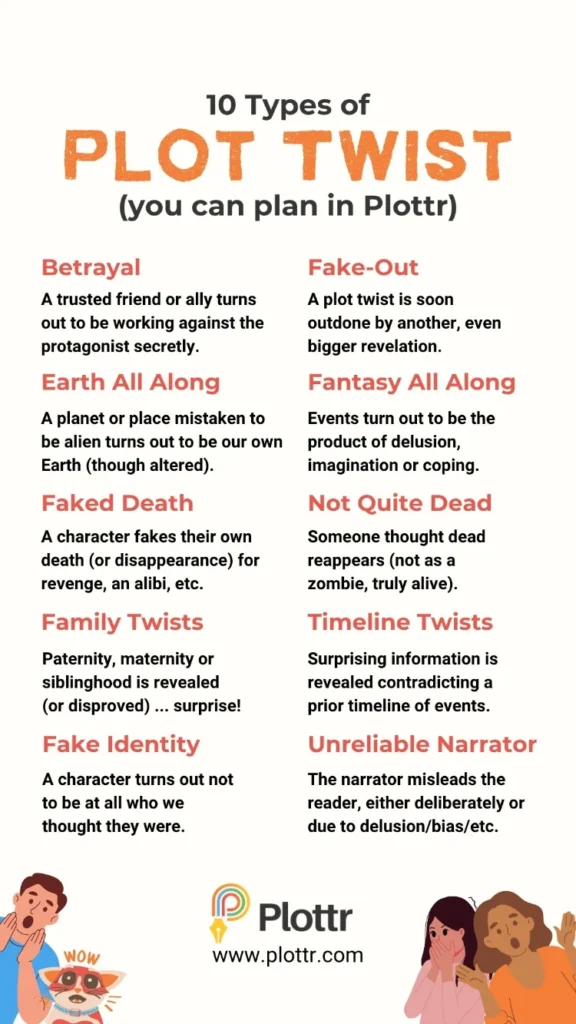
One of Rowling's most powerful techniques is her method of character development across the entire series. She doesn't reveal everything at once; instead, she slowly layers information, forcing the reader to constantly re-evaluate characters. The arc of Severus Snape is the quintessential example of this. It's essentially a seven-book-long plot twist, built on the slow release of information and the manipulation of perspective.
Let's examine how this is achieved.
The Wizarding Words of J. K. Rowling: Literary Merit in the Harry Potter Series
This paper provides a detailed literary analysis of the Harry Potter series. We'll focus on the chapter about character development to see Rowling's technique in action.
Find "CHAPTER 1: CHARACTER DEVELOPMENT" and read the entire subsection titled "Severus Snape." As you read, focus on how Rowling gradually releases information about Snape in each book. Notice how each new piece of information complicates Harry's (and the reader's) perception of him.
This analysis shows that Snape's complexity is not accidental. It is a deliberate, structural technique. Rowling uses Harry’s third-person limited point of view to anchor our understanding of Snape, making the final revelation in Deathly Hallows a shared experience of shock and discovery for both Harry and the reader. This long-form reveal is a masterclass in using characterization to drive a central mystery and deliver a powerful payoff—a technique highly relevant to your goal of writing compelling, twist-filled narratives.
Technique 2: A Rich Toolkit of Literary Devices
Beyond characterization, Rowling's voice is defined by her consistent use of classic literary devices. These are not just stylistic flourishes; they add layers of meaning and depth to the world.
The same paper provides an excellent breakdown of these devices. We'll look at a few key examples.
The Wizarding Words of J. K. Rowling: Literary Merit in the Harry Potter Series
We will now explore "CHAPTER 2: LITERARY DEVICES" to see how Rowling enriches her narrative.
Please read the following subsections. You don't need to read every single word, but try to grasp the main point and the examples for each device: Allusion: Notice how names like "Minerva McGonagall" and the historical parallels to WWII are not random, but are deliberate references that add a layer of meaning. Satire: See how Rowling uses characters like Rita Skeeter and institutions like the Ministry of Magic to critique real-world media and bureaucracy, adding a sharp, humorous edge to her voice. Symbolism: This section discusses the use of Christian symbolism, such as Harry's sacrificial journey. This shows how archetypal stories can be woven into a modern narrative to give it universal power and thematic weight.
By identifying these specific techniques—allusion, satire, long-form character arcs, a moralistic tone—we move beyond a general feeling that "Rowling is a good writer" to a concrete understanding of how she achieves her effects. This is the goal of literary analysis for a writer.
How to Analyze and Learn from Any Author
The process we just applied to J.K. Rowling can be used to learn from any author you admire. A structured approach can help you turn your reading into a powerful tool for self-improvement. The "Echo Exercise" is an excellent method for this.
How to Improve Your Writing Style (by Imitating Your Favorite Authors)
In "How to Improve Your Writing Style," Diane Callahan of Quotidian Writer outlines a three-part exercise to deconstruct and learn from other writers' styles.
Watch the video to understand the three stages: The Echo: Physically typing out a passage to internalize its rhythm and flow. The Reflection: Analyzing the passage by asking targeted questions about the author's techniques. This is what we just did with Rowling. The Imitation: Actively trying to apply the observed techniques in your own writing. Pay special attention to the detailed example of analyzing Stephen King. Notice how she identifies his use of mundane details, sentence structure (dashes, nested clauses), and foreshadowing to create his signature atmosphere.
This exercise provides a repeatable, practical method for breaking down an author's style into its component parts and then practicing those techniques yourself.
Your Turn: Start Your Analysis
Now it's time to apply what you've learned. This is a small exercise to get you started with the "Reflection" part of the process.
Your Task:
- Choose a short passage (2-3 paragraphs) from a book you admire. It could be from the Harry Potter series or any other novel whose style you find effective.
- Read the passage carefully, perhaps even typing it out as the "Echo" exercise suggests.
- Write a brief analysis (around 100-150 words) identifying 2-3 specific techniques the author uses. Use the analysis of Rowling and King as a model. Ask yourself:
- What is the tone? (e.g., Ironic, serious, whimsical, tense?)
- What kind of words does the author choose? (e.g., Simple, complex, formal, informal?)
- How are the sentences structured? (e.g., Short and punchy, long and flowing?)
- Does the author use any specific literary devices like metaphor, imagery, or foreshadowing?
This isn't about getting a "right" answer, but about practicing the skill of active, analytical reading.
Conclusion
Today, we've transitioned from being a creator of voice to an analyst. By deconstructing the work of established authors, you can build a library of techniques to draw upon in your own writing.
Key Takeaways:
- Authorial voice is the unique style of an author, created through a combination of word choice, sentence structure, tone, and perspective.
- We can deconstruct an author's style by identifying their signature strategies for characterization and their use of specific literary devices like allusion, satire, and symbolism.
- J.K. Rowling's voice is characterized by a "moralistic tone," complex long-form character arcs, and a rich use of literary devices that add thematic depth.
- The "Echo Exercise" (Echo, Reflect, Imitate) provides a practical, repeatable method for analyzing any author's style and learning from it.
You have now completed the module on Point of View and Narrative Voice. You have learned to choose the right POV, control narrative distance, and craft a distinct voice. Now that we've mastered these tools for telling the story at the sentence and paragraph level, we're ready to zoom out.
In our next lesson, we will begin Module 6: Scene and Chapter Construction. We'll start by examining the fundamental architecture of a scene, breaking it down into its essential components: goal, conflict, and outcome. This will shift our focus from how the story is told to how its building blocks are structured to create narrative momentum.