Welcome to the final lesson in our first module, "Foundations of Storytelling." So far, we've explored the core elements of fiction, generated story ideas, and in our last session, you learned how to use visualization to build rich, detailed scenes in your mind's eye. You now have the tools to conceptualize the atoms of your story. Today, we're going to zoom out and look at the entire galaxy.
This lesson provides a roadmap for your entire novel-writing journey. Our goal is to describe the stages of the novel-writing process from initial idea to finished manuscript. Understanding this overarching structure will give you context for all the specific skills you'll learn in the coming modules, from crafting characters to plotting twists. Writing a novel is a marathon, not a sprint, and having a map is the first step to reaching the finish line.
The Writer's Journey: An Overview
Before we break down the technical steps, it's helpful to have a sense of the emotional and creative journey you're about to undertake. Writing a book is rarely a straightforward, linear process. It's a cycle of inspiration, hard work, doubt, breakthrough, and refinement.
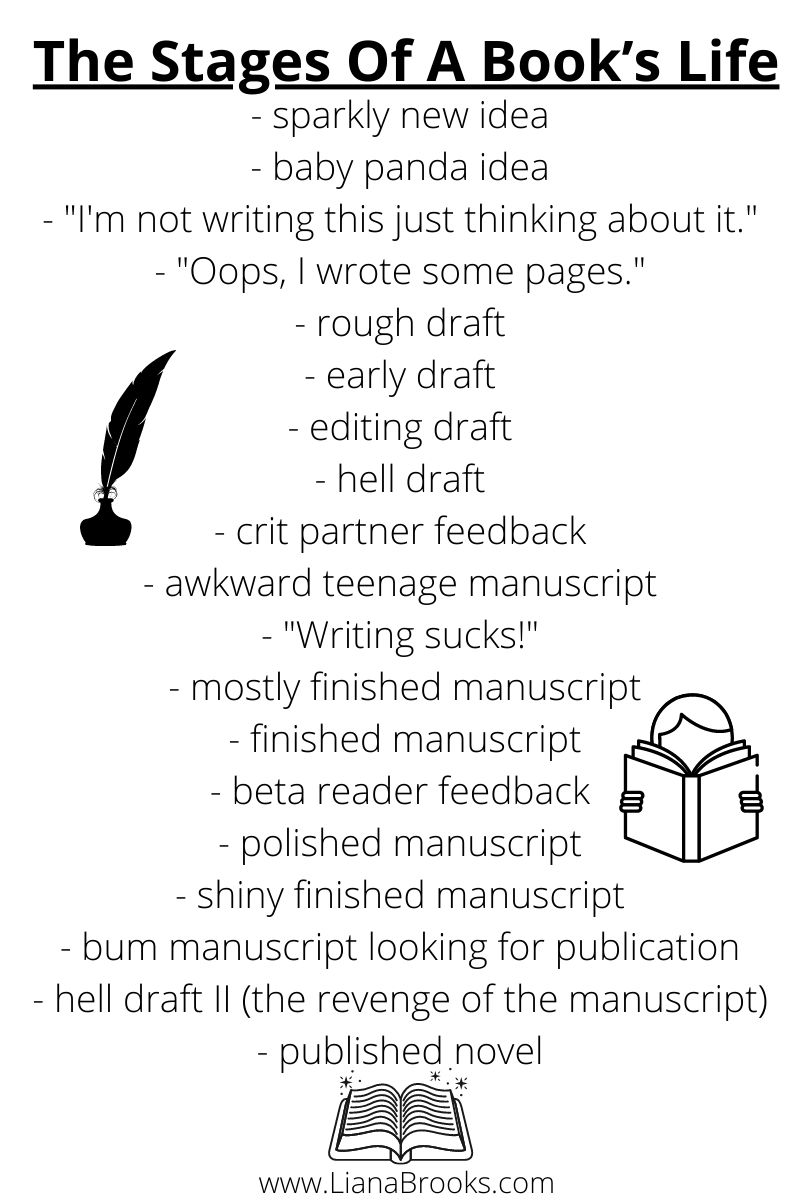
To bring some order to this creative chaos, we can group the process into three major phases:
- Preparation & Planning: Laying the foundation and creating the blueprint for your story.
- Drafting: Getting the story down on the page from beginning to end.
- Revision & Editing: Taking the raw material of your draft and shaping it into a polished novel.
Let's explore each of these phases in detail.
Phase 1: Preparation & Planning
This is the "Draft 0" phase, where your novel exists as an idea, a collection of notes, and a structural plan. The work you do here provides the foundation for everything that follows.
The Core Idea: Who, What, and Why
Every story begins with a core concept. A simple yet powerful way to frame this is to ask three questions: Who? What? and Why?
- Who are the characters?
- What is the plot (the journey they go on)?
- Why does this story matter (the theme or big idea)?
The following video provides an excellent introduction to this "WWW" framework.
How to Write a Book from Start to Finish *BEGINNER FRIENDLY*
In this clip from "How to Write a Book from Start to Finish," YouTuber and author Abbie Emmons introduces her simple three-step recipe for kickstarting a story.
Watch from the beginning of the recipe. Notice how these three questions about characters, plot, and theme form the three pillars of any story.
These questions give you a starting point. As you develop your answers, you begin the real work of planning.
Planners vs. Pantsers
How much planning should you do? Writers generally fall into two broad categories:
- Planners (or Outliners): These writers like to create detailed outlines, character profiles, and plot summaries before they start writing the actual chapters. They build a comprehensive blueprint first.
- Pantsers: Named for writing "by the seat of their pants," these writers prefer to discover the story as they go, with minimal planning. They start with a basic premise and let the characters and plot evolve organically.
Most writers exist somewhere on a spectrum between these two extremes. There is no "right" way; the key is to find what works for you.
How to Write a Novel: My Proven 12-Step Process
Bestselling author Jerry B. Jenkins discusses these two approaches in his video, "How to Write a Novel: My Proven 12-Step Process."
Watch the segment from where he explains the difference between an "outliner" and a "pantser," and the idea that many writers are hybrids.
Whether you're a planner or a pantser, some amount of preparation is always useful. This might include brainstorming, research, and developing your central premise.
Faculty Article: The 10 Revision Stages of a Novel
The article "The 10 Revision Stages of a Novel" refers to this initial phase as "Draft 0." It's a great way to think about the work you do before you even write the first chapter.
Read the section titled "Draft 0," which outlines key activities like brainstorming, outlining, character sketching, and research.
This planning phase corresponds to the first several steps in many structured writing guides. While we will cover how to do these in future lessons, it's useful to know what they are now. They typically include:
- Developing a strong premise.
- Creating initial character profiles.
- Constructing a plot outline or synopsis.
- Researching your setting, time period, or subject matter.
Phase 2: Drafting
This is the phase most people picture when they think of "writing a book." It's the process of translating your plans and ideas into prose, creating your first complete manuscript from start to finish. This is often called the "first draft" or "rough draft."
The single most important rule for the first draft is to get the story down without judgment. Your goal is momentum, not perfection. You must silence your inner editor and allow yourself to write a messy, imperfect version of the story. The time for fixing things comes later.
How to Write a Novel: My Proven 12-Step Process
Jerry B. Jenkins offers crucial advice on this mindset.
Watch his bonus step on separating writing and editing. He perfectly describes the mentality you need for a first draft: "take off my perfectionist cap and tell my inner critic to shut up."
This first pass is about discovering the story on the page, even if you started with a detailed outline. Characters may surprise you, plot points might shift, and new ideas will emerge. Embrace it. The main goal is to reach "The End."
How to Write a Novel Step-by-Step: A Proven Roadmap
The Novel Factory's roadmap offers a great description of the first draft process.
In the article, find and read the description for Step Nine. Pay attention to the advice to "let loose and steam through it as fast as possible."
Phase 3: Revision & Editing
Once you have a complete first draft, the real work begins. As many authors say, "Writing is rewriting." This phase is about transforming your rough draft into a polished, compelling novel. It's a multi-layered process that can take far longer than writing the first draft.
Revision isn't a single action; it's a series of passes, each with a different focus. You might do one pass for plot and structure, another for character consistency, and another for language and prose.
The article "The 10 Revision Stages of a Novel" provides an excellent, detailed look at this iterative process. It shows how a manuscript evolves through many different types of drafts.
Faculty Article: The 10 Revision Stages of a Novel
This article from Gotham Writers Workshop breaks the revision process into distinct, manageable stages.
Please read the descriptions for the following drafts to understand the different layers of revision: Draft 2: The initial reread to see the big picture. Draft 3: The "spackle" draft for filling plot holes and smoothing transitions. Draft 4: A pass focused entirely on deepening your characters. Draft 5: The cutting draft, where you "kill your darlings" and remove anything that doesn't serve the story. Draft 6: The "poetry draft" for polishing language and sentence flow. Draft 7: The feedback draft, where you share your work with trusted readers (beta readers).
As you can see, revision is a deep and complex process. It moves from large-scale structural issues (macro) down to word choice and punctuation (micro). The final steps involve getting external feedback and, eventually, preparing the manuscript for publication.
Making It Happen: The Practical Side
Knowing the stages is one thing; finding the time and discipline to move through them is another. Writing a book requires creating a sustainable habit.
How to Write a Novel Step-by-Step: A Proven Roadmap
This article provides excellent, motivating advice on creating the right conditions for writing.
Read the section titled "Preparing to become a writer." The advice on creating a daily habit, protecting your writing space, and giving yourself permission to write is invaluable.
Since you have a busy life, it's also important to be creative about finding writing time. You don't always need long, uninterrupted hours. Small, consistent pockets of time can add up significantly.
How to Write a Book from Start to Finish *BEGINNER FRIENDLY*
Abbie Emmons provides practical, outside-the-box strategies for carving out writing time.
Watch the segment on making time for your creative work. Pay attention to ideas like "micro writing sessions," shifting your schedule, and using voice-to-text apps.
Conclusion
You now have a high-level map of the journey from a "sparkly new idea" to a finished novel. This process is your guide for the rest of this course. Each module we cover will give you the skills needed to master a specific stage of this roadmap.
Key Takeaways:
- Three Core Phases: The novel-writing process can be broken down into Preparation/Planning, Drafting, and Revision/Editing.
- Planner vs. Pantser: Writers have different approaches to planning, but some preparation is always beneficial.
- Drafting is for Creation, Not Perfection: The goal of the first draft is to get the story down on paper. Silence your inner critic.
- Writing is Rewriting: Revision is a deep, multi-stage process that transforms a rough draft into a polished manuscript, often taking more time than the initial drafting.
- Habit is Key: Success depends on building a consistent writing practice and carving out the time to do the work.
This lesson concludes our foundational module. You've learned what a story is, how to find ideas, and how to prepare your mind for writing.
In our next lesson, we will begin Module 2, "Creating Compelling Characters." We will dive straight into the "Who" of your story, starting with how to design compelling protagonists and antagonists with clear goals, stakes, and meaningful opposition. This is the first major building block on your roadmap to writing a novel.