In our previous lesson, we categorized supporting characters by the narrative roles they play—ally, mentor, foil, and more. You now understand that a well-chosen cast functions like a team, with each member contributing to the story's overall strategy. But a cast of characters is more than just a collection of roles; it's a network of relationships.
This lesson delves into the heart of character interaction. We will explore how to build believable relationships with evolving dynamics and potent internal conflict. You'll learn that relationships aren't static background elements; they are mini-plots in their own right, with arcs, turning points, and consequences that drive your main story forward. For the kinds of emotionally intense and plot-driven novels you enjoy, mastering these dynamics is the key to creating a story that feels truly alive.
The Core of Connection: Why Characters Form Relationships
Before we can make a relationship evolve, we must first understand why it exists. What holds two people together, whether as friends, lovers, rivals, or enemies? It goes deeper than just shared circumstances or complementary personalities. At its core, every compelling relationship is built on the foundation of needs and wants.
A video essayist who goes by HARTWELL THE WATCHER provides an excellent framework for this. He argues that in any relationship, each character must fulfill a need for the other, whether that need is conscious or subconscious, healthy or unhealthy.
The Key to Writing Criminally Good Relationships | Video Essay
This video, "The Key to Writing Criminally Good Relationships," explains the foundational principle of mutual need that underpins all strong character dynamics.
Watch the first two sections of the video. First, watch the introduction from the start to understand the basic concept of mutual need, with examples of both healthy and unhealthy pairings. Then, watch the next segment from the critique of "personality land". Pay close attention to the argument against relying on superficial dynamics (e.g., "bubbly one and serious one") without rooting them in deeper wants and needs.
As the video points out, simply saying "they have good chemistry" isn't enough. We must ask why.
- Does Character A provide the emotional validation that the insecure Character B craves?
- Does Character B offer the stability and grounding that the chaotic Character A lacks?
- Do they both need a partner to survive a dangerous world, like in The Walking Dead?
Even a rivalry is a relationship built on needs. The antagonist needs a worthy opponent to test their strength against; the protagonist needs an obstacle to overcome in order to grow. Understanding these underlying needs is the first step to creating a relationship with real dramatic potential.
Building the Dynamic: Convergence and Divergence
Once you've established the foundational needs, you can build the specific dynamic by examining your characters' similarities and differences. A great relationship has a compelling mix of both.
How to write THE BEST Character Relationships (that will get your audience INVESTED)
In the video "How to write THE BEST Character Relationships," YouTuber Charo Lyn offers a practical method for developing these dynamics.
Please watch the first three key sections: Start with the section on developing both characters individually. This reinforces that each person in the relationship must be a whole person. Next, watch the explanation of points of convergence and divergence. This is the core of this section. Notice how both similarities and differences can be a source of connection or conflict. Finally, watch the part about what characters get from the relationship, which recaps the idea of needs and adds the dimension of what characters like and dislike about each other.
Let's break down these concepts:
- Convergence (Similarities): These are the points of connection. It could be a shared backstory (both are orphans), a shared value (both believe in justice), or a shared interest (both love solving puzzles). This is the common ground that allows a bond to form.
- Divergence (Differences): These are the points of friction and complementarity. One character is reckless, the other is cautious. One is idealistic, the other cynical. These differences can create conflict ("How can you be so careless!") or they can create a "power couple" where each character's strengths compensate for the other's weaknesses.
A believable relationship has both. If two characters are too similar, their interactions can feel flat. If they are too different, it can be hard to believe they'd ever connect in the first place. The magic happens in the interplay between what draws them together and what pushes them apart.
The Relationship Arc: A Plot Within a Plot
Characters change, and so do their relationships. A relationship that starts and ends in the exact same state is a missed opportunity for drama. The evolution of a relationship over the course of a story is called the relationship arc.
Just like a character arc or a plot arc, a relationship arc has a trajectory. Writer and editor September C. Fawkes breaks this down into four basic types.
How to Write Strong Character Relationships: Tips, Arcs ...
This comprehensive article provides a structured, step-by-step guide to plotting relationships. We'll start with the foundational concept of the relationship arc.
In the article, locate the section titled "1. Identify the Characters' Relationship Arc." Please read this entire section, from the introduction of relationship arcs down to the end of the four definitions. Pay attention to the examples, like Elizabeth and Mr. Darcy for a Positive Change arc.
The four basic arcs are:
- Positive Change: Characters start distant or as enemies and grow closer (e.g., enemies to lovers, strangers to best friends).
- Positive Steadfast: Characters start close, are tested by the plot, but their bond endures and may even deepen (e.g., Frodo and Sam in The Lord of the Rings).
- Negative Change: Characters start close but are driven apart, becoming strangers or enemies (e.g., Anakin and Obi-Wan).
- Negative Steadfast: Characters start as enemies and end as enemies, though they may have a temporary alliance in the middle (e.g., Harry and Voldemort).
Choosing an arc gives you a direction for the relationship. But to make it a compelling journey, you need to turn that arc into a plot.
Fueling the Arc: Conflict and Stakes
A relationship arc is driven by the same elements that drive any plot: a goal, an antagonist (opposition), conflict, and consequences (stakes).
How to Write Strong Character Relationships: Tips, Arcs ...
Let's continue with the same article to see how to add plot mechanics to your chosen arc.
Read the next two major sections: "2. Turn the Relationship Arc into a Plot": Focus on how a relationship has a goal (draw closer, grow apart, maintain) and an antagonistic force that creates conflict and consequences. "3. Strengthen the Relationship Plotline": Pay special attention to the concepts of Costs (sacrifices) and Turning Points (moments of irreversible change).
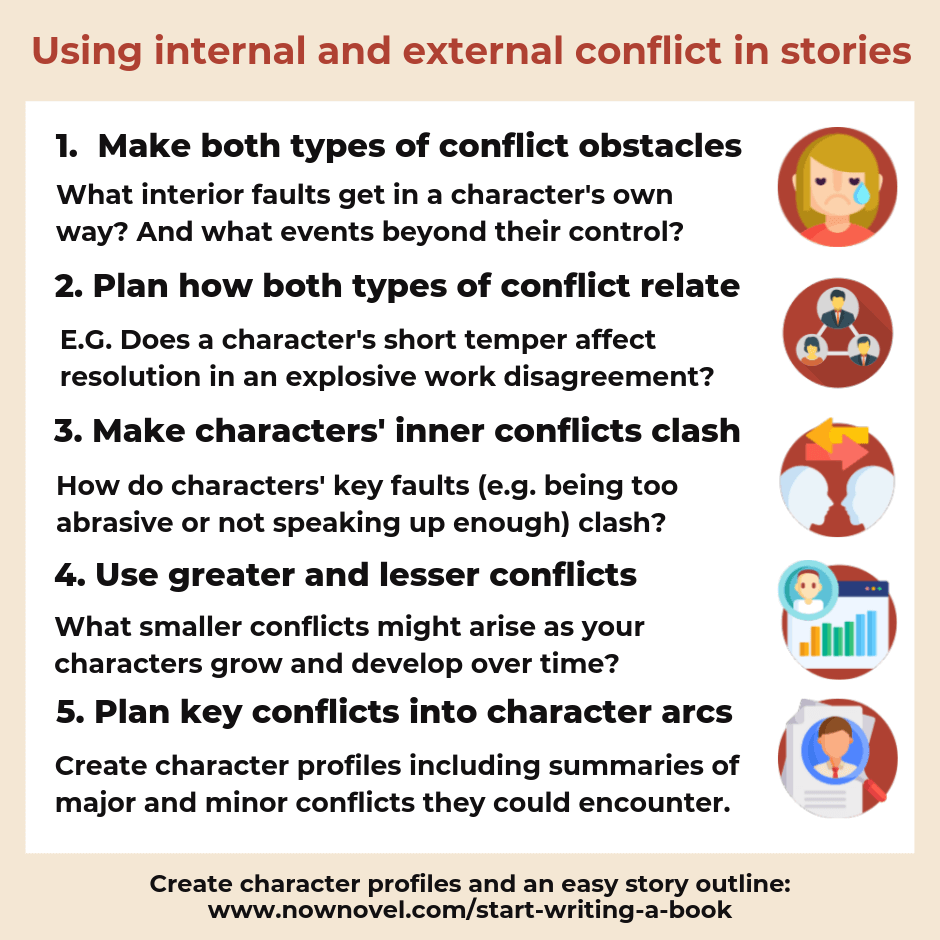
The antagonistic force is what makes the relationship interesting. It's the obstacle. Crucially, this opposition can come from three places:
- External: Society forbids their love; a villain is actively trying to separate them.
- Within the Relationship: They have fundamentally different values; one wants to settle down, the other wants adventure.
- Within a Character: One character's fear of intimacy (internal conflict) sabotages their attempts to get closer. The other's pride prevents them from apologizing.
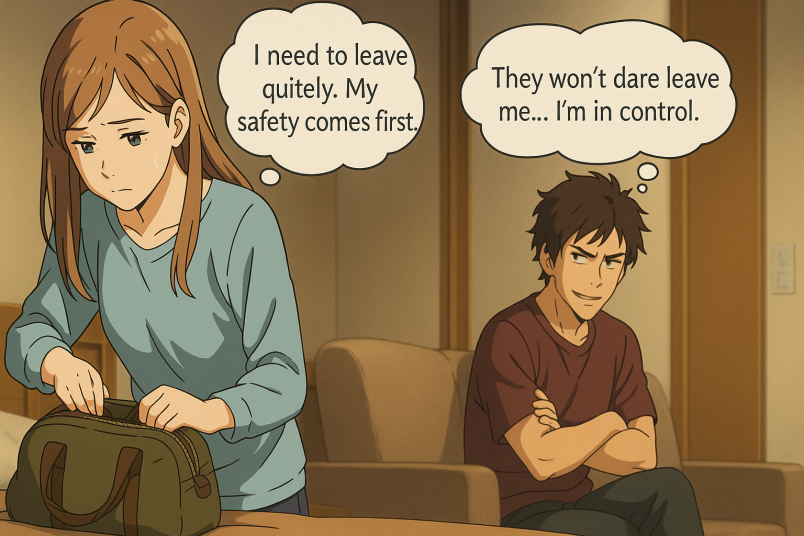
This internal conflict is often the most powerful. When a character's own flaws, fears, or desires become the primary obstacle in their relationship, it creates deeply personal stakes and compelling drama.
Structuring the Evolution: Key Beats of a Relationship
To show a relationship evolving, you can structure it around a series of key scenes or "beats" that mark significant shifts in the dynamic. The "romance formula" provides a surprisingly effective template that can be adapted for friendships, rivalries, and partnerships.
How to Use the Romance Formula to Develop Friendships ...
This article from The Darling Axe cleverly adapts the structure of a romance novel to any relationship, using examples from The Lord of the Rings and The Hunger Games.
Read through the main sections under the heading "Breaking Down the Relationship Cycle." You don't need to read every word in detail, but make sure you understand the function of each stage: Initial Encounter Rejection or Denial Three Trials Midpoint Crisis Pulling Together Relationship High Point The Breakup The Sacrifice/Apology and Declaration Resolution
Think of these beats as a "two steps forward, one step back" dance. The characters draw closer during the "Pulling Together" stage, only to be torn apart by "The Breakup." This zig-zag journey is far more engaging than a straight line. Each beat provides an opportunity to test the characters, reveal their true natures, and force them to make choices that change the relationship forever.
Conclusion
Believable relationships are the lifeblood of memorable fiction. They are not static decorations but dynamic, evolving engines of plot and character development. By moving beyond surface-level interactions and building your relationships on a foundation of mutual need, conflicting values, and a clear arc of change, you can create character dynamics that will captivate your readers.
Key Takeaways:
- Foundation of Need: Every relationship, positive or negative, is built on the characters fulfilling a need for one another.
- Dynamic of Contrast: The interplay of similarities (convergence) and differences (divergence) creates the specific texture of a relationship.
- Relationships Have Arcs: A relationship should evolve over the course of the story, following a trajectory like Positive Change, Negative Change, or Steadfast.
- Conflict is the Engine: A relationship's arc is driven by conflict, which can be external, interpersonal, or internal to the characters themselves.
- Structure through Beats: You can map out a relationship's evolution using key structural beats like the "crisis," the "breakup," and the "sacrifice," creating a satisfying emotional journey for the reader.
In our next lesson, we will explore the difference between flat and round characters and discuss when each type is appropriate for your story. This will connect directly to what we've learned today, as the most compelling and evolving relationships are almost always between two deeply realized, "round" characters.