Hello! Welcome to the fifth lesson in our Marketing Automation Foundations module.
In our last lesson, we designed a lead nurturing sequence for a very specific group of people: potential guests who downloaded a brochure. That action—downloading the guide—was our first real step into segmentation. It allowed us to separate interested leads from our general audience and send them highly relevant content.
Today, we're going to explore that concept in much more depth. The goal of this lesson is to learn how to use segmentation to send targeted emails based on user behavior or stated interests. We'll move beyond single-action triggers and look at how to systematically organize your entire contact list. For a hotel, this is the key to moving from generic newsletters to personalized communication that builds loyalty and drives direct bookings.
1. The Power of Segmentation in Hospitality
In the previous lesson, our automation was triggered by a single behavior. But what about guests who have stayed with you before? Or those who only visit your restaurant? Or subscribers who have shown interest in spa packages but have never booked one? Sending the same "Book Your Summer Stay!" email to all of them is inefficient.
Segmentation is the practice of dividing your email list into smaller, more focused groups—or segments—based on shared characteristics, interests, or behaviors.
The benefits are significant, especially in the hotel industry where guest experience is paramount.
Email Marketing for Hotels: Boost Bookings & Guest Loyalty
To understand the impact of segmentation, let's start with this article from GetHost AI, which is written specifically for hoteliers.
Read the section titled 'Use Segmentation to Personalize Every Guest's Experience'. Focus on the statistics mentioned, like the impact on open rates and transaction rates.
As the article highlights, targeted campaigns aren't just a "nice-to-have." They lead to higher open rates, dramatically higher click-through rates, and ultimately, more revenue. By sending relevant content, you improve your email deliverability and strengthen the guest's relationship with your brand.
2. The Toolkit: Tags, Groups, and Segments
So how do we actually organize our audience? Most email marketing platforms provide three core tools for this: tags, groups, and segments. It's crucial to understand the difference.
Organize Your Subscribers Like a Pro: Understanding Tags, Groups, and Segments in Mailchimp (2023)
This video from Mailchimp provides a clear, practical explanation of how these three tools work together. Even if you don't use Mailchimp, the concepts are universal across most email platforms.
Watch the video from 04:28 to 14:09. Pay close attention to the distinct roles of each tool: Tags (04:28 - 08:11): Think of these as internal, private labels you add to a contact's profile based on what you know about them. Groups (08:11 - 10:39): These are public-facing categories that subscribers can choose themselves, often through a sign-up form or preference center. Segments (10:39 - 14:09): These are the dynamic lists you build by filtering your audience using your tags, groups, and other data.
To summarize in a hotel context:
- Tag (Internal Label): You might tag a guest with
Stayed-Summer-2023,Business-Traveler, orSpa-Client. The guest doesn't see these tags. They are for your internal organization, based on their behavior. - Group (Stated Interest): On your newsletter sign-up form, you could have a checkbox field titled "What are you interested in?" with options like
Special Room Offers,Restaurant & Dining News, andLocal Events. The subscriber chooses what they want to hear about. - Segment (The Target Audience): This is where you combine the data. You could create a segment of "all contacts who are in the
Special Room Offersgroup AND are tagged withStayed-Summer-2023." This is your highly-targeted audience for a "Book Your Next Summer Getaway" campaign.
3. Core Segmentation Strategies for Your Hotel
Now that you understand the tools, let's explore the strategies. What information can you use to create meaningful segments? We can break this down into a few key methodologies.
A Practical Guide to Email Segmentation for Tourism & Hospitality
This practical guide from Scott Aussie outlines the core segmentation methodologies with specific examples for tourism and hospitality businesses.
Read the section titled 'Mastering the Core Segmentation Methodologies'. Focus on understanding the difference between Behavioural and Psychographic segmentation.
As the article explains, while demographic data (like location) is useful, the real power comes from segmenting by behavior (what guests do) and psychographics/interests (what they care about).
Your hotel's Property Management System (PMS) and CRM are goldmines for this data.
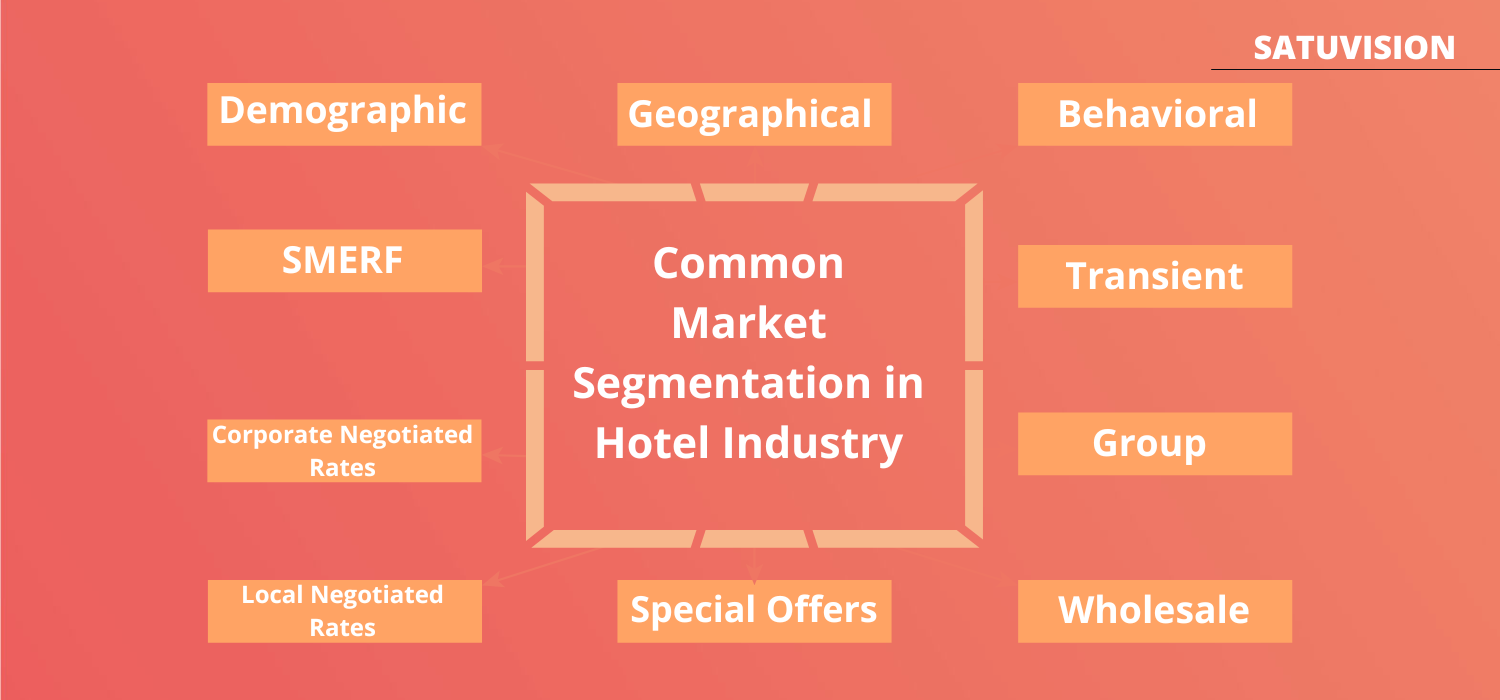
Here are some of the most valuable, actionable segments you can create using data you already have:
- Booking History:
First-Time Guests: Perfect for a "Welcome back with 15% off" offer.Repeat Guests(2-4 stays): They already like you. Target them with new packages or loyalty program info.Loyal Fans(5+ stays): Your VIPs. Give them exclusive early access to offers.
- Guest Type & Behavior:
Leisure vs. Business Travelers: Their needs are completely different. A business traveler might appreciate an offer for a free suit pressing, while a leisure traveler wants to know about your pool and local attractions.Ancillary Spending: Create segments forSpa EnthusiastsorDining Enthusiastsbased on their past spending. These are the first people you should notify about a new menu or spa treatment.Weekend vs. Weekday Guests: Target weekday guests with offers to extend their stay through the weekend, and vice-versa.

4. Designing Campaigns for Your Segments
Once you have your segments, you can tailor your messaging with incredible precision. This is how you make a guest feel understood.
Email Marketing for Hotels: Boost Bookings & Guest Loyalty
Let's return to the GetHost AI article, which provides excellent, concrete examples of campaigns for different hotel segments.
Read the sections 'From Raw Data to Actionable Segments' and 'Putting Segmentation into Practice'. Note how each campaign example is designed for a specific group's needs and interests.
Let's put this into a scenario. Your goal is to boost bookings for the upcoming shoulder season in spring. Instead of a generic "Book a Spring Getaway" blast, you could run three separate, targeted campaigns:
- To your
Families-Stayed-Last-Summersegment:- Subject: Get Ahead of the Crowds: A Special Spring Break Offer for You
- Message: "We loved having you last summer! Why wait? Experience the beauty of spring with our exclusive family package, including tickets to the local children's museum."
- To your
Spa-Enthusiastssegment:- Subject: Rejuvenate This Spring with Our New Seasonal Treatments
- Message: "As one of our valued spa guests, we want you to be the first to know about our new spring renewal package. Book a two-night stay and receive a complimentary treatment."
- To your
Local-Guestssegment (within a 50-mile radius):- Subject: Your Perfect Spring Staycation is Just Around the Corner
- Message: "Escape for a weekend without the travel hassle. Enjoy our special locals-only rate and rediscover what makes our city great in the springtime."
Each message resonates because it's based on the recipient's known behavior or interest.
Test your understanding!
Your hotel is launching a new, exclusive "Chef's Table" fine-dining experience. Your goal is to fill the first month of reservations.
- Which existing segment of guests would be your absolute top priority to email first?
- What would be a compelling subject line for this email?
Show answer
- Your top priority would be the
Dining Enthusiastssegment—guests who have a history of spending at your hotel's restaurant(s). You might also target theLoyal Fanssegment as a secondary audience. - A compelling subject line would be something exclusive and intriguing, like: "An Invitation to Our New Chef's Table Experience" or "Be the First to Experience [Restaurant Name]'s Chef's Table."
5. Smart Sending: Using Exclusion Segments
Just as important as deciding who to send an email to is deciding who not to. This is where exclusion segments come in. Sending a "Book Now!" promotion to someone who just checked out yesterday is a quick way to get an unsubscribe.
How to segment your email list | Best strategies to segment your list
In this final video, marketing expert Kasey Luck explains the critical concept of exclusion segments.
Watch the clip from 12:30 to 15:41. Pay attention to the three main groups she recommends excluding from general promotional campaigns.
For your hotel, you should always consider excluding these segments from promotional campaigns:
- Recent Purchasers: Anyone who booked or stayed in the last 14-30 days. Give them a break from sales messages.
- Guests in an Automated Sequence: If a new subscriber is in the middle of your 5-day welcome sequence, don't interrupt it with a conflicting offer.
- Guests with an Open Support Ticket: If a guest is currently dealing with a complaint or issue with your front desk or reservations team, the last thing they want is a cheerful marketing email. Most modern helpdesk systems can integrate with email platforms to make this possible.
Conclusion
Today, we've moved your automation strategy from reacting to single events to proactively organizing your entire audience. By sending the right message to the right person at the right time, you transform your email marketing from a loudspeaker into a series of meaningful, one-on-one conversations.
Key Takeaways:
- Segmentation is vital for hotels: It increases engagement, improves guest relationships, and directly drives more revenue.
- Use Tags for internal labels (behaviors), and Groups for subscriber-chosen interests. Segments are the dynamic lists you create from this data.
- Your best data source is your own PMS/CRM. Segment by booking history, guest type, and ancillary spending.
- Tailor your email content and offers to the specific needs and interests of each segment.
- Don't forget to use exclusion segments to avoid sending the wrong message to recent bookers or guests with active issues.
What's Next?
As you begin sending more targeted (and effective) emails, it becomes even more important to ensure you're following the rules. In our next and final lesson of this module, we will cover the essentials of compliance, learning how to ensure marketing emails comply with basic regulations like providing an unsubscribe link.