Hello and welcome to the final lesson of our module on Mukha Shuddhi (Comprehensive Oral Hygiene).
Introduction
Over the past few lessons, we have built a solid foundation. We started with the "what" and "why" of core practices like Dantadhavana, Jihva Nirlekhana, and Gandoosha/Kavala. We then delved into the critical clinical skills of identifying contraindications and, in our last session, assessing the harmful effects of improper application.
Today, we bring all of this knowledge together to address our final learning outcome for this module: Design a complete Mukha Shuddhi protocol for a given clinical case scenario. This lesson moves you from theoretical knowledge to practical application. It is where you learn to synthesize information, make clinical judgments, and create a personalized, effective, and safe oral hygiene plan for a patient. This is the essence of Ayurvedic clinical practice.
The Art and Science of Protocol Design
Creating an Ayurvedic protocol is not about picking items from a menu. It is a systematic process of clinical reasoning that involves understanding the person, the imbalance, and the therapeutic tools available. Your BAMS training in Rogi Pariksha (patient examination) is the foundation for this process.
We can visualize this process using a modern framework that aligns perfectly with Ayurvedic principles.
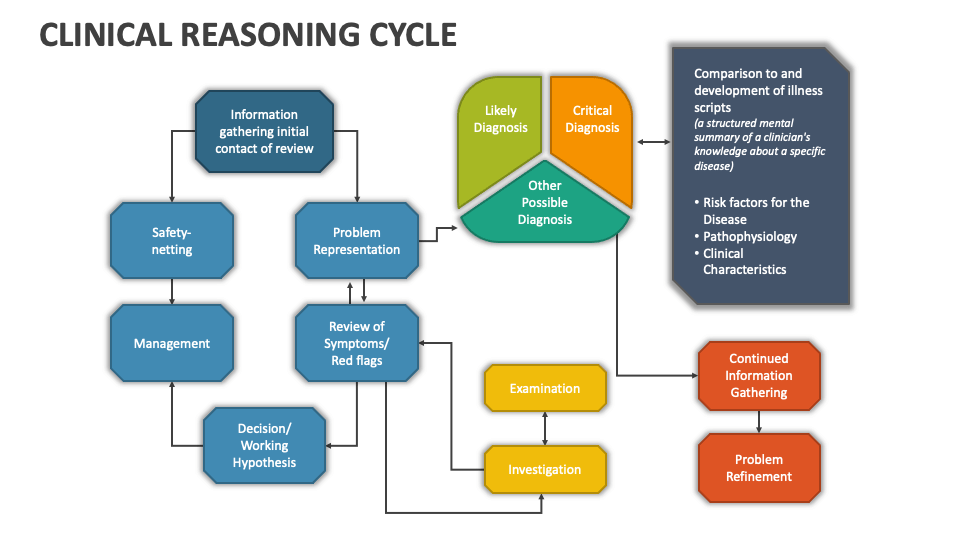
Let's break down the steps for designing a Mukha Shuddhi protocol:
-
Information Gathering (Pariksha): Before prescribing anything, you must assess the individual.
- Constitution & Imbalance (Prakriti & Vikriti): What is their baseline constitution, and what is the current state of their doshas?
- Metabolic Fire (Agni): Is their digestion strong, weak, or variable? This often reflects in the oral cavity.
- Specific Complaints (Lakshanas): Note the precise symptoms—bleeding gums (Dantaveshta), bad breath (Mukha Durgandha), plaque (Dantasharkara), dry mouth (Mukhashosha), etc.
- Current Habits (Vihara): What is their current oral hygiene routine? What are their dietary habits (Ahara)?
-
Problem Identification & Goal Setting (Vyadhi Vinishchaya): Synthesize the information to understand the root cause.
- Identify the primary doshic imbalance and the specific oral disease (Mukha Roga).
- Set clear therapeutic goals. For example: "Reduce Kapha and ama accumulation, pacify Pitta inflammation in the gums, and improve taste perception."
-
Protocol Design (Chikitsa Yojana): Based on your goals, select and customize each element of the Mukha Shuddhi routine.
- Dantadhavana: Choose the substance (dravya) and method. Powders (choorna) or twigs (kashta) with rasas (tastes) that pacify the imbalanced dosha are selected.
- Jihva Nirlekhana: Select the material of the scraper (e.g., copper for Kapha, silver for Pitta).
- Gandoosha/Kavala: Decide on the technique and the liquid based on the therapeutic aim—snehana (oleation), shodhana (purification), or ropana (healing).
-
Patient Education (Pathya-Apathya): A plan is only effective if the patient understands and follows it. Explain the "why" behind each step and provide clear instructions.
Case Study: Designing a Protocol for Ananya
Let's apply this framework to a clinical scenario.
Patient Profile: Ananya, a 28-year-old software developer.
- Prakriti: Kapha-Pitta
- Chief Complaints:
- Persistent bad breath (Mukha Durgandha), especially upon waking.
- A thick, whitish coating on her tongue (Jihva Upalepa with ama).
- Her gums feel "puffy" and occasionally bleed when brushing (Dantaveshta).
- Often feels sluggish and heavy (Gaurava) in the mornings.
- Agni: Tends towards Mandagni (slow digestion), especially in the morning.
- Habits: Brushes once a day in the morning with a standard toothpaste. Often skips breakfast and eats a late, heavy dinner.
Step 1 & 2: Assessment and Goal Setting
- Assessment (Vikriti): Ananya presents with classic signs of Kapha aggravation: the thick tongue coating, puffiness in the gums, and systemic morning sluggishness are all indicative of excess Kapha and accumulated ama (metabolic toxins). The bleeding gums point to an associated Pitta vitiation, causing inflammation. Her Mandagni is both a cause and effect of the Kapha imbalance.
- Therapeutic Goals:
- Reduce systemic and oral Kapha and ama.
- Pacify Pitta in the gums to stop bleeding and inflammation.
- Improve oral hygiene to eliminate Mukha Durgandha.
- Stimulate Agni.
Step 3: Designing the Mukha Shuddhi Protocol
Here is a complete protocol tailored for Ananya.
1. Dantadhavana (Tooth Brushing)
- Timing: Twice daily (morning and before bed).
- Dravya (Substance): Instead of a sweet-tasting commercial toothpaste which can increase Kapha, she should use a tooth powder (danta choorna) with bitter (Tikta) and astringent (Kashaya) tastes. These tastes are anti-Kapha and anti-Pitta.
- Recommendation: A powder made from Triphala and Nimba (Neem). As reviewed in resources like "WORLD JOURNAL OF PHARMACEUTICAL RESEARCH", Nimba is well-established for its anti-bacterial and anti-inflammatory properties, while Triphala is an excellent astringent for gum health.
- Technique: Gentle, vertical strokes, ensuring the bristles clean the gumline without causing injury.
2. Jihva Nirlekhana (Tongue Scraping)
- Timing: Daily, after brushing in the morning.
- Dravya (Material): A copper tongue scraper. Copper has natural antimicrobial properties and is considered particularly effective for reducing Kapha accumulation.
- Technique: Gently scrape the tongue from back to front 7-10 times, rinsing the scraper after each pass. This will directly address the Jihva Upalepa and improve taste perception, which can help stimulate agni.
3. Kavala (Therapeutic Gargling)

- Timing: Daily, after tongue scraping in the morning.
- Technique: For Ananya's Kapha condition, Kavala (active swishing) is preferable to Gandoosha (static holding) as its dynamic action is more effective at dislodging and liquefying accumulated Kapha.
- Dravya (Substance): A lukewarm decoction of Khadira (Acacia catechu) or Triphala.
- Rationale: As mentioned in the paper "Prevention and Control of Oral Diseases by Ayurvedic...", a kavala with the bark of Khadira is excellent for Kaphaja disorders, Aruchi (tastelessness), and Daurgandhya (halitosis). Its potent astringent properties will help tighten the puffy gums and reduce inflammation, addressing the Pitta component.
- Procedure: She should swish about 30-50 ml of the lukewarm decoction actively for 3-5 minutes, then spit it out.
4. Additional Recommendations (Pathya)
To support the oral protocol, advise her to:
- Start her day with a cup of warm water, perhaps with a little ginger, to kindle agni.
- Avoid late, heavy dinners to reduce morning ama and gaurava.
- Make time for a light, warm breakfast.
This integrated approach addresses not just the oral symptoms but also their systemic root.
Test your understanding!
Now, consider a different case.
Patient Profile: Raj, a 55-year-old retired teacher with a Vata-Pitta Prakriti.
- Chief Complaints:
- Chronic dry mouth (Mukhashosha).
- Sensitivity in teeth to cold and sour foods (Dantaharsha).
- Noticeably receding gums.
- Cracked lips (Oshta Sphutana).
Based on this profile, design a protocol for Gandoosha for Raj. Justify your choice of technique and substance (dravya) by referencing his doshic imbalance.
Show answer
Protocol for Raj (Vata-Pitta Imbalance):
-
Technique: Gandoosha (Oil Pulling)
- Justification: Raj's symptoms (dantaharsha, mukhashosha, receding gums) are classic signs of aggravated Vata, which causes dryness, roughness, and degeneration. Gandoosha, the practice of holding oil in the mouth, is primarily a nourishing and oleating (snehana and brihmana) therapy. It is ideal for pacifying Vata, lubricating the oral tissues, and strengthening the gums and teeth, directly countering his symptoms. Kavala would be too drying and activating for his condition.
-
Substance (Dravya): Warm Tila Taila (Sesame Oil)
- Justification: As noted in multiple classical texts and summarized in the provided resources, Tila taila is the foremost choice for pacifying Vata dosha due to its heating (ushna) and unctuous (snigdha) properties. It will nourish the dry tissues, soothe sensitivity, and help strengthen the tooth roots. For his underlying Pitta, a good alternative would be medicated sesame oil with cooling herbs like Yashtimadhu, or even plain Coconut oil if the Pitta symptoms (like inflammation) were more prominent. The oil should be used warm, not hot, to avoid aggravating Pitta.
Conclusion
You have now reached a significant milestone in this course. By learning to create a complete Mukha Shuddhi protocol, you have demonstrated the ability to apply Ayurvedic principles in a clinical context.
Key Takeaways:
- Protocol design is a systematic process: It involves thorough assessment (pariksha), clear goal-setting (vyadhi vinishchaya), and tailored implementation (chikitsa yojana).
- Personalization is key: The choice of substance (dravya), technique, and timing must be customized to the patient's unique prakriti, vikriti, and agni.
- An integrated approach is most effective: A Mukha Shuddhi protocol works best when supported by appropriate dietary (ahara) and lifestyle (vihara) recommendations that address the root cause of the imbalance.
In our next module, "Head and Sensory Organ Care," we will continue this journey of daily self-care by exploring practices that protect and enhance our crucial sensory faculties. We will begin with Pratimarsha Nasya, the daily practice of nasal oiling, which is intimately connected to the health of the entire head and neck region.