Hello! Welcome to the final lesson of our course on Computerized Accounting.
In our previous session, we sharpened a crucial practical skill: analyzing business transactions to select the correct accounting voucher. You learned the decision-making framework to distinguish between Sales, Purchase, Receipt, Payment, Contra, and Journal vouchers.
Today, we shift our focus from processing transactions to protecting them. With large volumes of sensitive financial data stored electronically, security becomes paramount. This lesson addresses the first of two critical security features you need to know for your exam. Our learning outcome is to explain the role of password security in protecting accounting data. We will explore what password security truly means in a Computerized Accounting System (CAS) and how it acts as the first line of defense for your financial information.
1. The Landscape of CAS Security
Before diving into password security, it's helpful to understand the main security features that a robust CAS provides. These features are designed to counter threats like unauthorized access, data manipulation, and fraud.
To get a quick overview, let's watch a short segment from a video by "Commerce by Harshita," a channel you've mentioned before.
🔥 Class 12 Computerized Accounting System All Chapters Marathon
This clip introduces the three fundamental security features commonly found in accounting software.
Watch the segment from 08:09 to 09:11. The presenter will list and briefly explain Password Security, Data Audit, and Data Vault. Pay close attention to the initial description of password security.
As the video highlighted, the three pillars of CAS security are:
- Password Security: Controls who can access the system.
- Data Audit: Tracks the changes made to the data.
- Data Vault: Protects data through encryption.
Our focus for this part of the lesson is the first pillar: Password Security.
2. What is Password Security?
At its simplest, a password is a secret code used to gain access. However, in a CAS, its role is much more sophisticated than just unlocking the software.
To get an exam-ready definition, let's turn to an official CBSE resource.
CBSE Sample Question Paper Accountancy (2017-18)
This is a sample question paper from CBSE. We will look at a question about security measures, as the model answer provides a perfect, concise definition for password security.
In the document, find question 23, which starts with 'Computerisation of accounting data...'. Read the first point of the solution titled 'Password Security'. This is the definition we will work with.
The CBSE sample paper defines it as:
"Password is a mechanism, which enables a user to access a system including data. The system facilitates defining the user rights according to organization policy. Consequently, a person in an organisation may be given access to a particular set of a data while he may be denied access to another set of data."
This definition reveals that password security performs two distinct but related functions: Authentication and Authorization.
3. The Dual Role: Authentication and Authorization
Think of password security as a two-step process at a secure building:
- Authentication: Showing your ID to the guard to prove you are who you say you are.
- Authorization: The guard checking your ID against a list to see which floors or rooms you are allowed to enter.
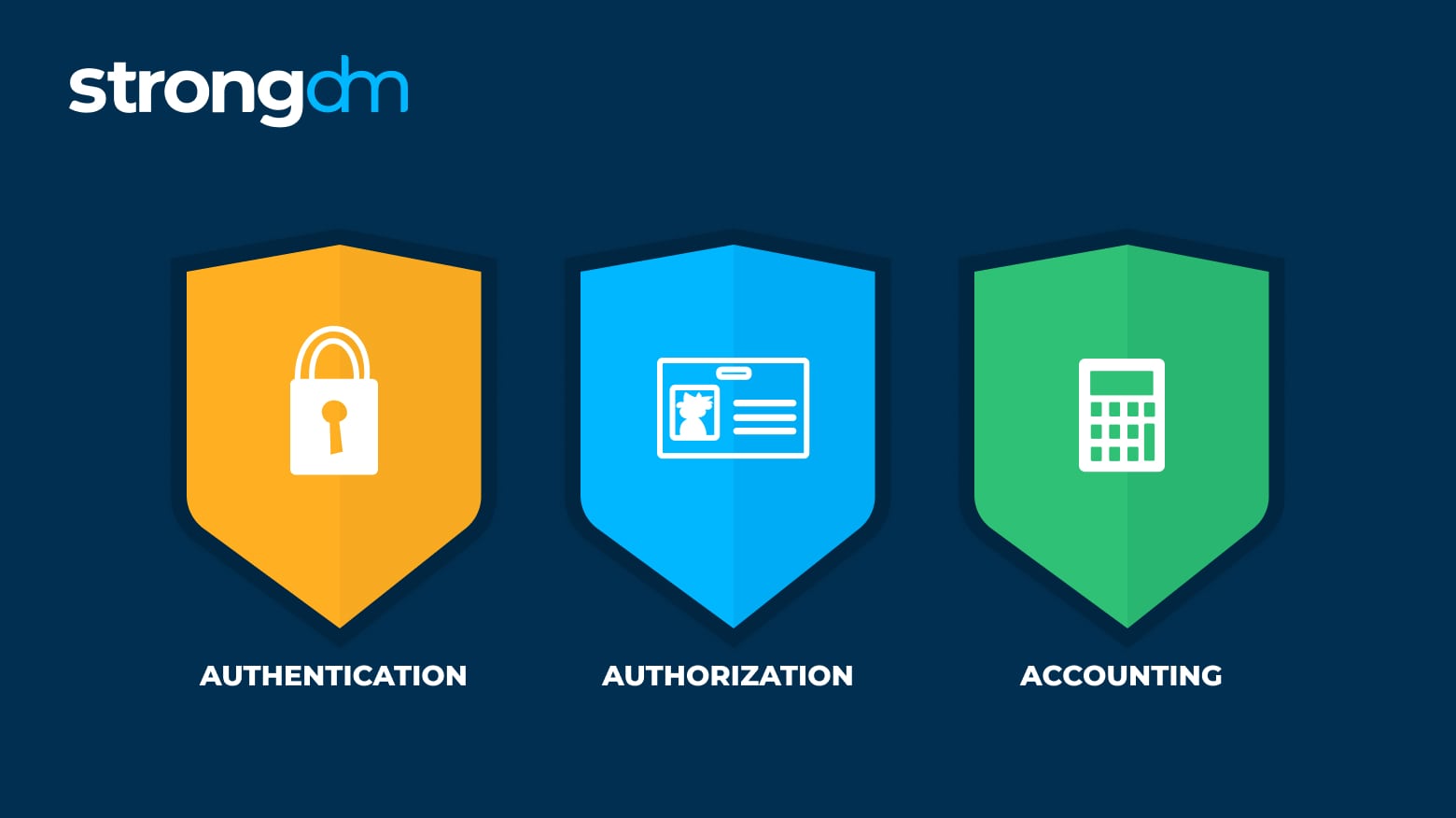
Authentication: "Who are you?"
This is the most familiar part of password security. When a user enters their username and password, the CAS authenticates them. It checks if the credentials are valid. If they are not, access to the entire system is denied. This is the primary function of preventing unauthorized outsiders from accessing the company's financial data.
Authorization: "What are you allowed to do?"
This is the more nuanced and powerful role of password security. Once a user is authenticated, the system checks their assigned user rights or permissions. This is crucial in a business environment where different employees have different responsibilities.
For example:
- An Accounts Receivable Clerk might be authorized to create sales invoices and record customer payments (Receipt Vouchers) but should not be able to see employee salary details or create Payment Vouchers.
- A Senior Accountant might be authorized to view all financial reports (like the Statement of Profit and Loss) and make adjustment entries (Journal Vouchers) but might be restricted from changing fundamental company settings.
- An Administrator (like the business owner or IT manager) would have full authorization to access all features, including creating and managing other user accounts and their permissions.
This concept of user roles and permissions is central to maintaining data integrity and confidentiality within an organization.
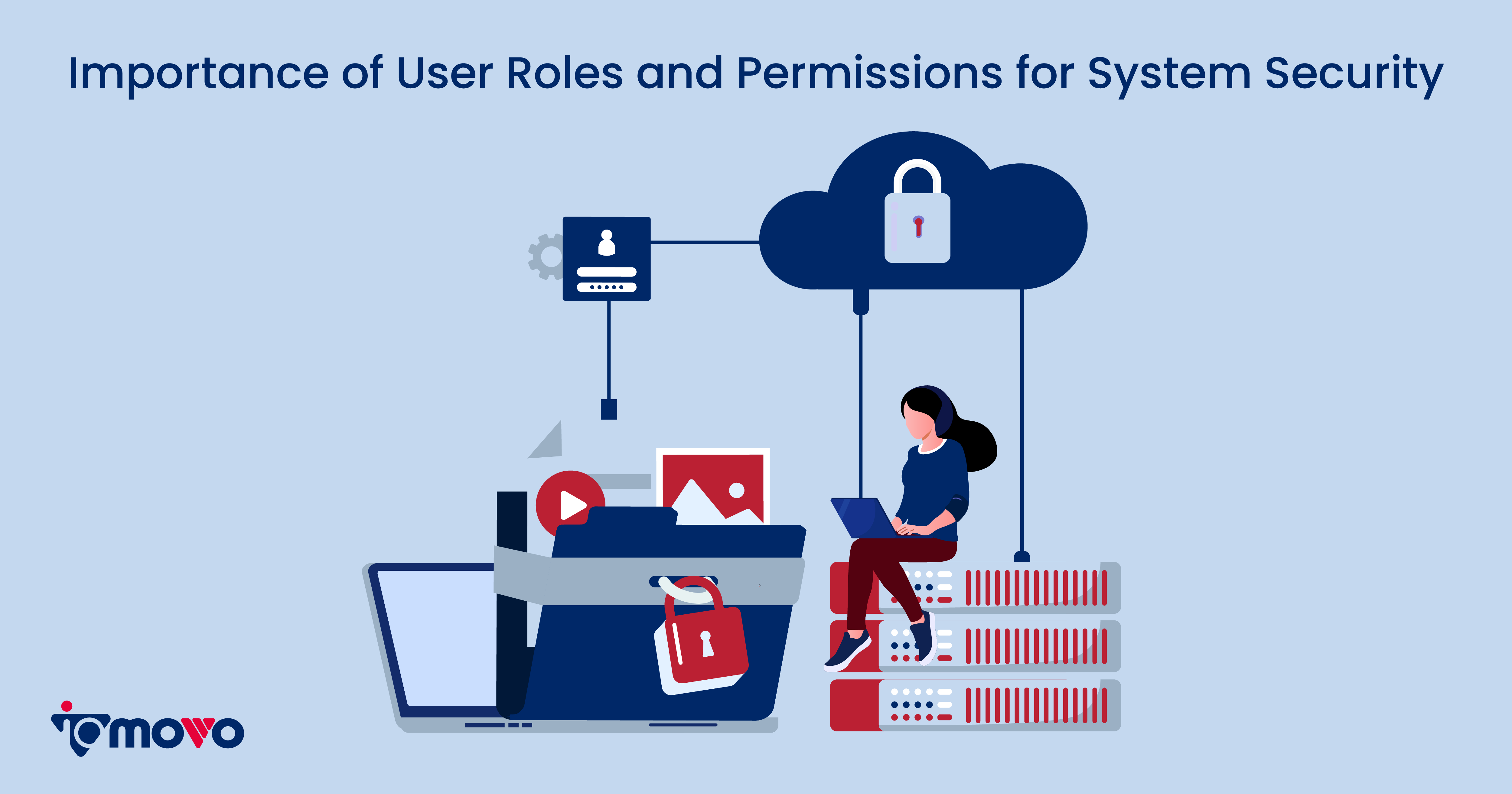
By implementing authorization, a CAS ensures that users can only perform tasks and access data relevant to their specific job roles. This helps to achieve three key security goals:
- Confidentiality: It prevents sensitive data (e.g., profit margins, management salaries) from being seen by employees who do not need to know it.
- Integrity: It reduces the risk of accidental errors or intentional fraud by limiting who can enter or modify transactions. For example, a person who creates invoices shouldn't also be able to authorize payments to prevent fake vendor schemes.
- Accountability: By forcing each user to log in with a unique ID, every action can be traced back to a specific individual. This is a prerequisite for the next security feature we will discuss: the data audit.
Conclusion
In this lesson, we have explored the critical role of password security in a Computerized Accounting System. You should now be able to explain this function clearly for your exam.
Key Takeaways:
- Password security is a fundamental feature of a CAS that goes beyond a simple login.
- Its primary role is twofold: Authentication (verifying a user's identity) and Authorization (enforcing what an authenticated user is allowed to see and do).
- By controlling access based on user roles and permissions, password security protects the confidentiality and integrity of accounting data.
- It is the first line of defense against both external threats and internal misuse.
We have now covered the first of the two security-related learning outcomes. In the final part of this lesson, we will focus on the second key feature: the Data Audit Trail, which provides a historical record of all activities within the system.