Welcome to our third lesson. In the last session, we opened up your digital marketing toolkit and identified the five core channels you'll use to grow your fitness equipment store: SEO, paid ads, social media, content, and email marketing.
Today, we'll introduce a foundational strategic concept that shows you how to think about using those channels effectively: the marketing funnel. This model provides a framework for understanding the path people take from being a total stranger to becoming a loyal, repeat customer. For a new store owner, understanding this journey is the key to turning website visitors into actual sales.
By the end of this lesson, you will be able to explain the concept of the marketing funnel and its four key stages: awareness, consideration, conversion, and retention.
From Stranger to Customer: The Marketing Funnel
Imagine you have 1,000 people visit your new dropshipping store. They browse your dumbbells, read your yoga mat descriptions, and maybe even add something to their cart. Then, 980 of them leave without buying anything. This is a normal, if sometimes frustrating, reality of e-commerce.
The marketing funnel is a model that helps you visualize and understand this process. It's called a funnel because at the top, you have a large number of potential customers who are just becoming aware of your brand. As they move down through the stages, some will lose interest and "leak" out of the funnel, so only a smaller number will emerge at the bottom as paying customers.
Your job isn't to prevent every leak—that's impossible. It's to understand why people drop off and to make the journey as smooth as possible for those who are genuinely interested.
To get a clear, formal introduction to this concept, let's watch a short video from Google's Digital Marketing & E-commerce Certificate course.
The Customer Journey & the Marketing Funnel | Google Digital Marketing & E-commerce Certificate
This video, "The Customer Journey & the Marketing Funnel," provides a foundational overview of the funnel concept and its stages.
First, watch the introduction which defines what a marketing funnel is and why it's shaped the way it is. Next, watch the explanation of the four stages: awareness, consideration, conversion, and loyalty. Pay close attention to the customer's mindset at each stage.
The Four Stages of the E-commerce Funnel
As the video explained, the funnel guides a customer through a predictable journey. While different marketers might use slightly different labels, the process for an e-commerce store like yours can be broken down into four essential stages.
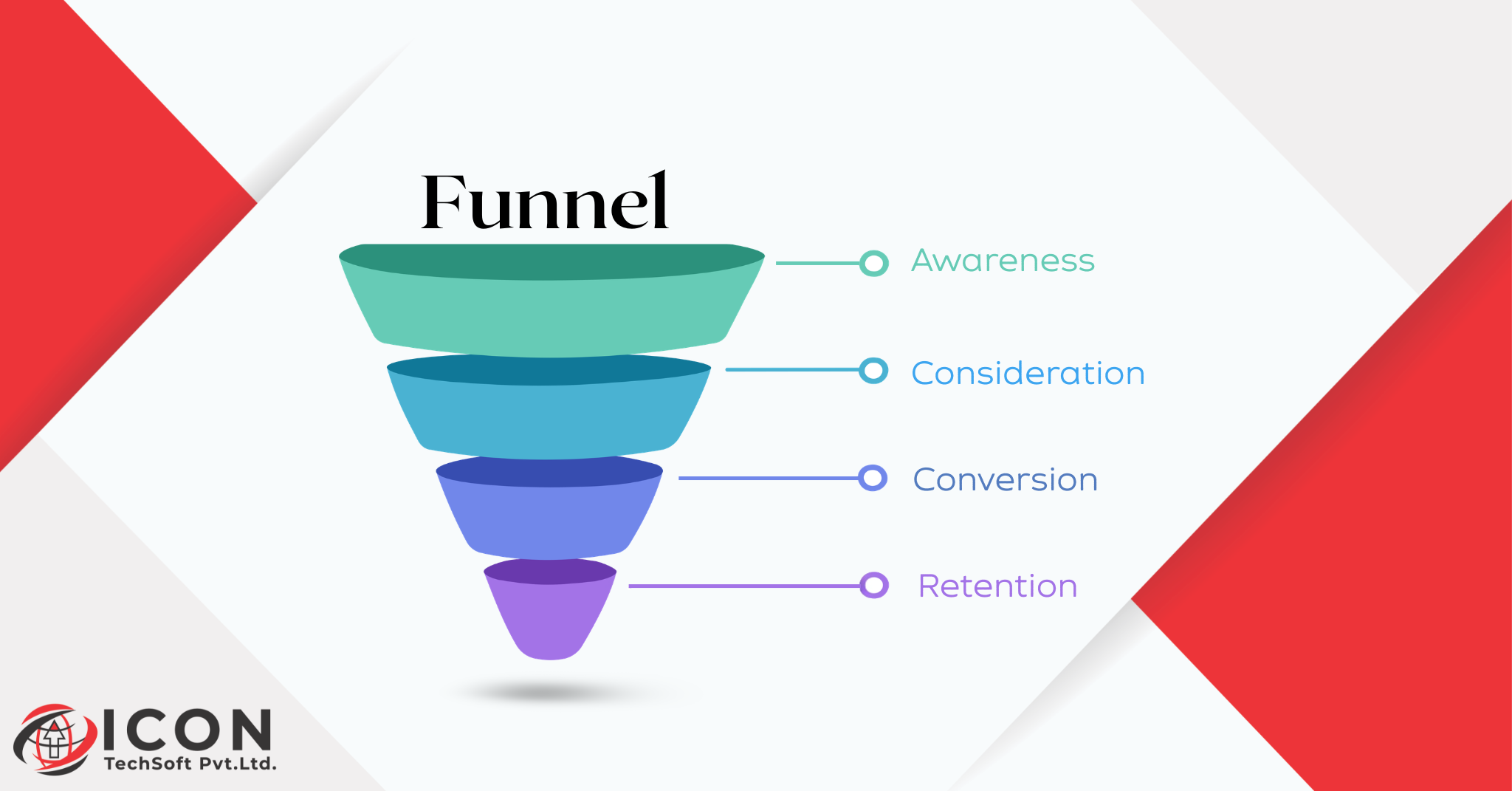
Let's dive into each stage in more detail. We'll use an excellent article from the e-commerce platform Recharge to guide us.
Ecommerce conversion funnel: 4 customer stages - Recharge
This article breaks down the four stages of the funnel specifically for an e-commerce context, which is perfect for your goal.
Read the section titled "The 4 stages". As you read about each stage, think about how it might apply to someone looking to buy a set of adjustable dumbbells from your store.
Now, let's summarize those stages with your fitness equipment store in mind.
1. Awareness (Top of Funnel)
This is the "discovery" phase. At this point, potential customers have a problem or a goal (e.g., "I want to get fit at home," "My current resistance bands are worn out") but they don't know your brand exists.
- Customer's mindset: "I'm looking for a way to work out at home." or "I saw a cool workout video using kettlebells."
- Your goal: Get found. Make your brand visible to a wide but relevant audience.
- Example: A fitness enthusiast scrolling through Instagram sees your ad for high-quality, space-saving adjustable dumbbells. They've just become aware of your store.
2. Consideration (Middle of Funnel)
Now, the person knows you exist. They are actively evaluating your products and comparing you to other options. They're trying to figure out if your brand and your products are the right solution for them.
- Customer's mindset: "Is this dumbbell set a good value? Are the reviews positive? Is this store trustworthy? How does it compare to the one I saw on Amazon?"
- Your goal: Build trust and provide convincing information. You need to answer their questions and show them why your product is the best choice.
- Example: The potential customer clicks your ad, lands on your product page, reads the description, looks at photos and videos of the dumbbells in use, and skims the customer reviews. They might leave to check other sites but keep your store in mind.
3. Conversion (Bottom of Funnel)
The customer has made their decision—they want to buy from you. The goal now is to make the purchase process as simple and frictionless as possible. Any obstacle at this stage—like unexpected shipping costs or a confusing checkout form—can cause them to abandon their cart.
- Customer's mindset: "Okay, I'm ready to buy this. Let's do it."
- Your goal: Secure the sale. Make the checkout process seamless.
- Example: The customer adds the dumbbells to their cart, enters their shipping and payment information, and completes the purchase. Success!
4. Retention (Post-Funnel)
The journey doesn't end at the purchase. This stage is about turning that one-time buyer into a repeat customer and a fan of your brand. It's often cheaper to retain an existing customer than to acquire a new one.
- Customer's mindset: "I'm happy with my purchase. I wonder what else this store sells."
- Your goal: Nurture the relationship and encourage repeat business.
- Example: After their purchase, the customer receives a thank-you email with a link to a blog post on "5 Great Exercises with Your New Dumbbells." A few weeks later, they get another email offering them a 15% discount on their next purchase, which they might use to buy a set of resistance bands.
Connecting the Funnel to Your Store
These stages might seem abstract, but they map directly to specific actions a customer takes on your e-commerce site. This image shows a great comparison between the traditional funnel stages and the typical steps in an e-commerce purchase journey.

As you can see, each step a visitor takes on your site—from the initial visit to entering their checkout details—corresponds to a stage in the funnel. Understanding this allows you to identify where you might be losing customers and what you need to improve.
Conclusion
In this lesson, we've introduced the marketing funnel as a crucial framework for understanding the customer journey. It's a strategic map that takes someone from not knowing you exist to becoming a happy, loyal customer.
Here are the key takeaways:
- The marketing funnel is a model that visualizes the customer journey from initial awareness to final purchase and beyond.
- It's called a funnel because a large number of people enter the top, but only a fraction become customers at the bottom.
- The four main stages for an e-commerce business are:
- Awareness: The customer discovers your brand.
- Consideration: The customer evaluates your products and trusts your brand.
- Conversion: The customer makes a purchase.
- Retention: The customer becomes a repeat buyer and advocate.
You now understand what the main marketing channels are (from our last lesson) and the framework for the customer's journey (the funnel). In our next lesson, we will put these two concepts together. We will explore how different digital marketing channels map to these specific stages of the marketing funnel, so you can start thinking strategically about which tools to use at which time.