Introduction
Welcome to the first lesson of Module 5: Crop Management and Troubleshooting. In our last session, you successfully transplanted your first seedling, officially bringing your Deep Water Culture (DWC) system to life. Your setup is now a dynamic environment where your plant will grow, and your role shifts from builder to grower and manager.
This lesson focuses on a crucial aspect of that new role. We'll be addressing the learning outcome: Describe a routine for daily and weekly monitoring of a hydroponic system (pH, EC, water level, plant health).
Establishing a consistent monitoring routine is the most effective way to prevent problems before they start. For your goal of running a hydroponic business, this proactive approach is non-negotiable; it is the foundation of reliable yields and a healthy operation. We will break this down into a simple, manageable schedule of daily and weekly tasks.
1. A Framework for Maintenance
A successful hydroponic system doesn't require constant attention, but it does thrive on a predictable schedule of care. By dividing tasks into daily and weekly checks, you can efficiently manage your system in just a few minutes a day, with a more focused session once a week.
The following resource provides an excellent, clear structure for this routine.
Your Hydroponic System Maintenance Guide
The article 'Your Hydroponic System Maintenance Guide' by Green Future Hydro lays out a simple and effective checklist. We will use this as the backbone of our monitoring strategy.
Please review the table under the heading 'Complete Hydroponic System Checklist for Healthy Plants'. Focus on the 'Daily' and 'Weekly' tasks, as these are the core of our routine. We will cover the other tasks in a later lesson.
As you can see, the routine is broken into two simple categories:
- Daily Checks: Quick visual inspections to catch immediate issues.
- Weekly Checks: In-depth measurements and adjustments to keep your system's environment optimal.
Let's explore what each of these entails.
2. The Daily Check-up (2-5 Minutes)
Your daily check is a quick "walk-by" inspection. Its purpose is to spot any obvious changes or problems that need immediate attention.
A. Check Water Level:
Your plant consumes water every day, so the reservoir level will drop.
- For your new seedling: As we covered in the last lesson, it is absolutely critical that the water level continues to touch the bottom of the net pot. A quick daily glance ensures your seedling isn't left high and dry.
- For mature plants: Once roots are established in the reservoir, you will maintain an air gap, but you still need to ensure the level doesn't drop so low that the pump or roots are exposed.
B. Check Plant Health:
This is a quick visual scan of your plant. You don't need to be an expert botanist yet. Simply ask yourself:
- Does the plant look healthy and green?
- Is it standing upright?
- Are there any signs of yellowing, spots, or wilting on the leaves?
Weekly Hydroponic Bucket System Maintenance Routine (Hydroponics Series Video #5)
In this video about weekly maintenance, the presenter also mentions the value of these quick, intermittent checks.
Watch the segment from 13:34 to 14:00. Notice how she describes this observational process as looking for 'healthy green leaves' and spotting things like 'yellow tips' or 'leggy branches'.
This daily observation is your early warning system. In our next lesson, we will dive deep into what these visual cues mean, but for now, the goal is just to notice if something looks different from the day before.
3. The Weekly Review (30-60 Minutes)
Once a week, you will perform a more detailed check of the nutrient solution itself. This involves measuring and adjusting two key parameters we've discussed before: pH and Electrical Conductivity (EC).
Why are pH and EC so important?
As a quick refresher:
- pH determines which nutrients are available for your plant to absorb. The wrong pH can "lock out" essential nutrients, even if they are present in the water.
- EC measures the total concentration of dissolved salts (i.e., your nutrients) in the solution. It's a proxy for the strength of your fertilizer.
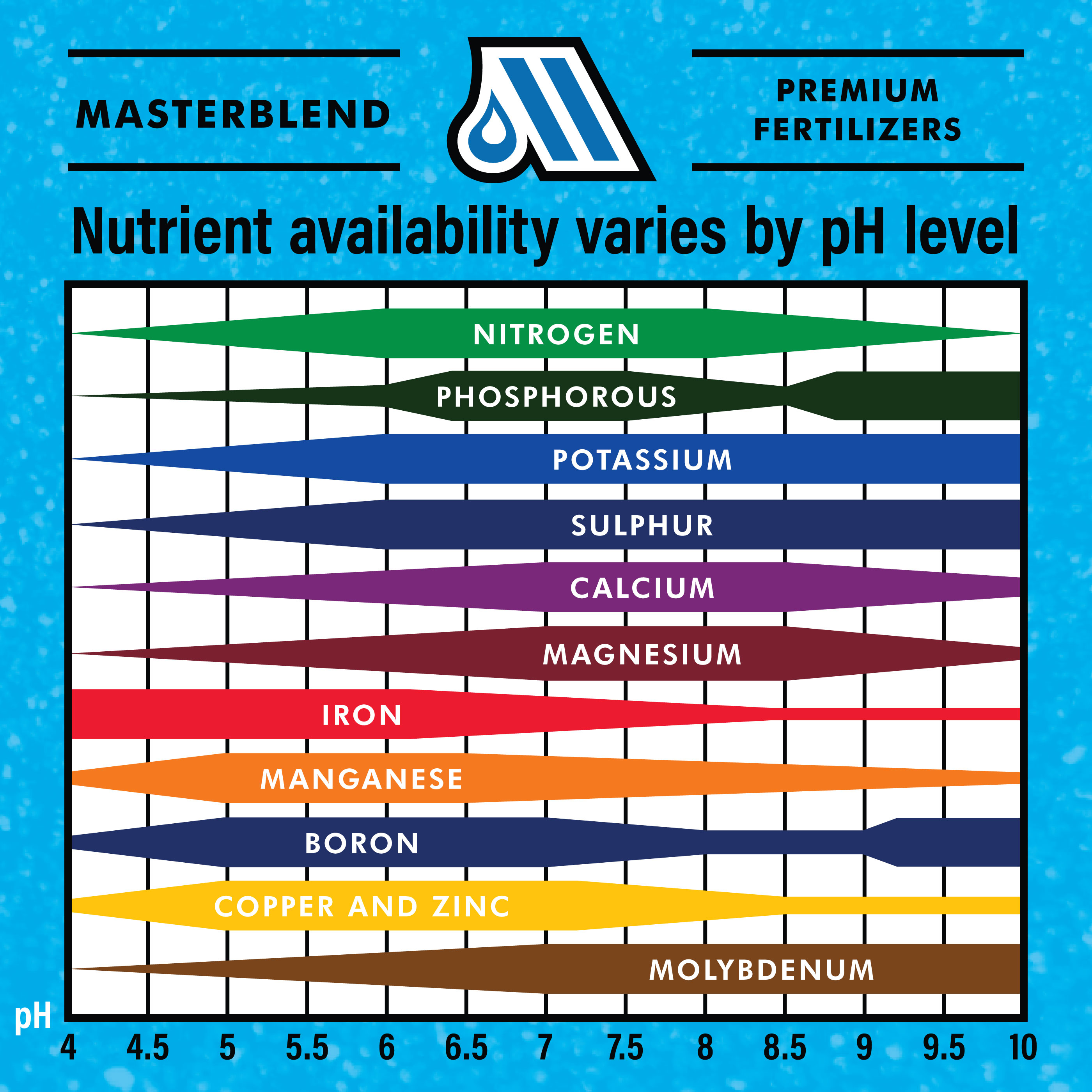
To measure these parameters, you'll use specialized meters. Modern technology, which might appeal to your interests, even allows for integrated, smart monitoring.

The Weekly pH and EC Routine
This video provides an excellent overview of how often to test, what tools to use, and what values to aim for.
Optimal Hydroponic pH and EC/PPM: Essential Tips for Beginners
The video 'Optimal Hydroponic pH and EC/PPM' from Everything Hydroponics clearly explains the fundamentals of this weekly task.
Watch from 00:31 to 03:16. Pay attention to: Frequency: Note the advice to check 1-2 times a day when starting, then less frequently once the system stabilizes (our weekly routine). pH Range: The ideal range is 5.5 - 6.5. EC Range: The ideal range for most plants is 1.5 - 2.5 mS/cm, though this will vary by crop and growth stage.
As the video mentions, when your system is brand new, it's wise to check pH and EC daily for the first week. The water, new plastic components, and the plant itself will all interact, causing initial fluctuations. After this stabilization period, you can confidently move to a weekly schedule, as recommended by the Purdue guide for DWC systems.
A GUIDE TO HOME HYDROPONICS FOR LEAFY GREENS
This academic guide from Purdue University confirms the standard monitoring frequency for systems like the one you've built.
In the 'Deep Water Culture Quick Guide' section, find the list item under 'Construction and Plant Care' that begins with 'Check pH and EC...'. This reinforces the weekly monitoring schedule.
A Practical Walkthrough
So what does this weekly routine look like in practice? The best way to manage your system is often to perform a full reservoir change. This ensures you "reset" the nutrient profile, remove any waste, and start fresh. While the checklist we saw earlier lists this as bi-weekly, performing it weekly is a common and excellent practice for smaller systems to ensure maximum stability.
This next video demonstrates a full weekly maintenance session, integrating the pH and EC checks into the workflow.
Weekly Hydroponic Bucket System Maintenance Routine (Hydroponics Series Video #5)
Let's return to the 'Weekly Hydroponic Bucket System Maintenance Routine' video by Bright Lane Gardens to see all these steps come together.
Please watch the following segments: 00:57 - 02:09: An introduction to the weekly routine, emphasizing the water change. 08:01 - 08:45: See how to check the pH of the new water and the importance of being in the correct range. 08:45 - 11:36: Watch the process of adding nutrients and then using an EC meter to verify the nutrient solution strength is correct for the plants' growth stage.
This practical demonstration brings together everything we've discussed: observing the plant, managing the water, adding nutrients, and verifying with pH and EC meters.
Conclusion
You have now learned the essential rhythm of hydroponic maintenance. By establishing a consistent routine, you move from reactive problem-solving to proactive system management, which is the key to success and scalability.
Key Takeaways:
- Adopt a Schedule: A structured routine consists of quick daily checks and a more thorough weekly review.
- Daily Tasks (Visual): Every day, perform a quick visual inspection of your plant's health and the reservoir's water level.
- Weekly Tasks (Measurement): Once a week, measure the pH and EC of your nutrient solution using calibrated meters. Aim for a pH of 5.5-6.5 and an EC appropriate for your crop.
- The Weekly Reset: Performing a full reservoir change weekly or bi-weekly is a best practice that ensures a balanced and clean nutrient environment for your plants.
Your daily plant health check is your first line of defense. But what exactly are you looking for? In our next lesson, we will answer that question by learning to identify the visual symptoms of common nutrient deficiencies. This will empower you to interpret what your plants are telling you and take corrective action.