Introduction
Welcome to your first case study for this module. In our previous lesson, we profiled the key pioneers of Bollywood fusion fashion, identifying Manish Malhotra as the "Heritage Modernizer" and Anaita Shroff Adajania as the "Global Curator." We established that their different philosophies lead to distinct styles of fusion design.
Today, we put that theory into practice. This lesson directly addresses the learning outcome: Deconstruct a Bollywood bikini that heavily incorporates traditional Indian embellishments or embroidery. We will perform a detailed analysis of a single, impactful look, breaking it down into its core design components. For your goal of building a design repertoire, this process of systematic deconstruction is essential. It moves beyond simple observation to a structured understanding of how and why a design works.
Case Study: The Embellished Choli-Bikini
The look we will analyze is a striking example of a garment that blurs the lines between a traditional blouse (choli) and a contemporary bikini top. Worn by actress Ananya Panday, this piece exemplifies the fusion style centered on heritage craftsmanship.
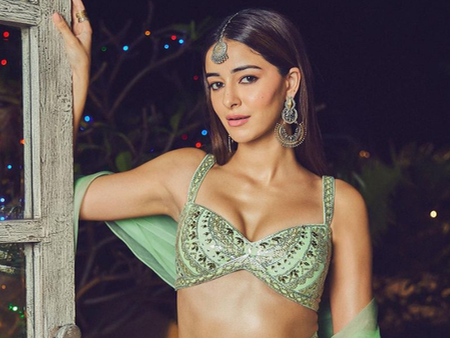
Let's deconstruct this design by examining its key elements: silhouette, craftsmanship, color, and styling.
1. Deconstruction: Silhouette and Structure
At first glance, the garment's shape is a hybrid. It combines the coverage and strap style of a supportive bikini top with the decorative purpose of a choli.
- Structure: The top features distinctly structured, underwired, or molded cups. This is a hallmark of modern bikini and lingerie construction, designed to provide shape and support. Your own experience with lingerie design will make the technical aspects of this construction familiar. It is not the soft, unstructured tailoring typical of many traditional cholis.
- Cut: The silhouette is a balconette or bustier style, with a low neckline and wide-set straps. This cut is primarily Western in origin, designed to lift and present, differing from the more varied necklines (like high-necks or keyhole necks) often found in traditional wear.
- Fusion Point: The innovation here is the application of heavy, all-over embellishment to a distinctly modern, structured form. The designer has essentially taken the chassis of a contemporary bikini top and treated it as a canvas for traditional Indian artistry.
2. Deconstruction: Embellishments and Craftsmanship
The defining feature of this look is the intricate surface work. This is where the "desi touch" is most apparent. While the low resolution of the image prevents a definitive identification of every technique, we can analyze the overall effect and likely components.
- Technique: The top appears to be densely covered in a combination of thread embroidery, sequins, and possibly Shisha or mirror work. Shisha embroidery is a traditional craft, particularly from the Gujarat and Rajasthan regions, where small pieces of mirror are stitched onto fabric.
- Visual Effect: This level of embellishment serves several purposes:
- Texture: It creates a rich, three-dimensional surface that moves beyond simple color or print.
- Light Play: The reflective surfaces of sequins or mirrors would catch the light dramatically on screen, creating a dazzling, high-impact visual. This is a key consideration for on-screen costume design.
- Authenticity: The use of traditional craft techniques grounds the modern silhouette in a specific cultural aesthetic, creating an authentic fusion rather than a superficial imitation.
This approach is highly characteristic of a designer like Manish Malhotra, whose work, as we discussed, frequently involves reviving and showcasing heritage crafts on modern forms.
3. Deconstruction: Color and Styling
The "total look" is what elevates this from a simple garment to a complete fashion statement. The choices of color and accessories are deliberate and integral to the fusion concept.
- Color Palette: The choice of a soft, light green is significant. In Indian culture, green is often associated with new beginnings, harvest, and auspicious occasions like weddings and festivals. It stands in contrast to the typical palette of neons, primary colors, or blacks often used for high-impact bikini looks in films. The color choice itself is a nod to tradition.
- Styling (The Total Look): The fusion is completed through accessorizing.
- Jewelry: The actress wears a maang tikka (forehead ornament) and large jhumkas (bell-shaped earrings). These are unequivocally traditional pieces of Indian jewelry.
- Juxtaposition: Pairing this classic jewelry with a modern, bustier-style top creates a powerful juxtaposition. It confidently claims the Western silhouette as part of a contemporary Indian aesthetic.
4. Analytical Summary
To structure this analysis in a way that is useful for your design cataloguing (which we will build in Module 9), we can organize our findings into a simple table. This method allows you to codify looks based on a consistent set of variables, which will be invaluable for later quantitative analysis.
| Design Variable | Analysis | Design Philosophy |
|---|---|---|
| Silhouette | Hybrid: Bustier/Balconette Bikini Cut | Western, Structural |
| Primary Technique | Heavy all-over embellishment (Embroidery, Sequins, possible Shisha) | Traditional Indian Craftsmanship |
| Color | Light Green | Traditional Palette |
| Styling | Traditional Jewelry (Maang Tikka, Jhumkas) with a modern garment | Fusion via Juxtaposition |
| Overall Impression | Festive, celebratory, modern-traditional. An expression of "Heritage Glamour." | Heritage Modernization (à la Manish Malhotra) |
To add a point of comparison, consider this second example of an embellished bikini.

While this look also falls under the category of "embellished fusion," notice the key differences in its execution compared to our case study:
- Silhouette: It uses a classic halter-neck, a softer and less structured shape.
- Embellishment: The embroidery is not all-over but is used to create specific floral motifs, acting as a placed graphic rather than an overall texture.
This comparison highlights that within the single category of "embellished bikinis," there is a wide range of design choices, each creating a different aesthetic impact.
Conclusion
In this case study, we deconstructed a Bollywood look that masterfully blends traditional Indian embellishment with a modern bikini silhouette. By analyzing its structure, craftsmanship, and styling, we've seen how a designer can create a piece that is both contemporary and culturally rooted.
Key Takeaways:
- Successful fusion often involves applying one tradition's techniques (Indian embroidery) to another tradition's forms (Western bikini structures).
- The "total look," including color and accessories, is critical for completing the narrative of the design. The pairing of a modern bustier with a traditional maang tikka is a deliberate act of stylistic fusion.
- This style of design, which prioritizes heritage craft on modern silhouettes, aligns closely with the "Heritage Modernizer" philosophy we attributed to designers like Manish Malhotra.
Preview of the Next Lesson:
Having analyzed a look defined by heavy, textural embellishment, we will turn our attention to the second major category of fusion. In our next lesson, we will conduct our second case study: Deconstructing a Bollywood bikini that uses Indian prints or fabrics in a contemporary fusion design. This will provide a crucial point of contrast, focusing on how pattern and textile—rather than embroidery—can be used to achieve the "desi touch."