Hello! Welcome to our next lesson.
In our previous sessions, we've built a strong foundation for integrative practice. You learned how to formulate a comprehensive patient assessment using both Ayurvedic and modern biomedical frameworks. Then, we tackled the critical issue of safety, exploring how to identify and mitigate potential herb-drug interactions.
Now, we're ready to put it all together. The goal of this lesson is to move from assessment and safety checks to active treatment design. By the end of our session, you will be able to propose an integrated treatment plan for a patient case, justifying the selection and sequence of interventions.
This is a pivotal skill. It's not just about listing herbs and drugs; it's about creating a thoughtful, synergistic, and phased plan that leverages the unique strengths of both Ayurveda and modern medicine to achieve the best possible outcome for the patient.
1. Principles of Integrated Treatment Planning
Before we dive into a case, let's establish the core principles of designing an integrated plan. It's a holistic process that considers the whole person, not just their disease.
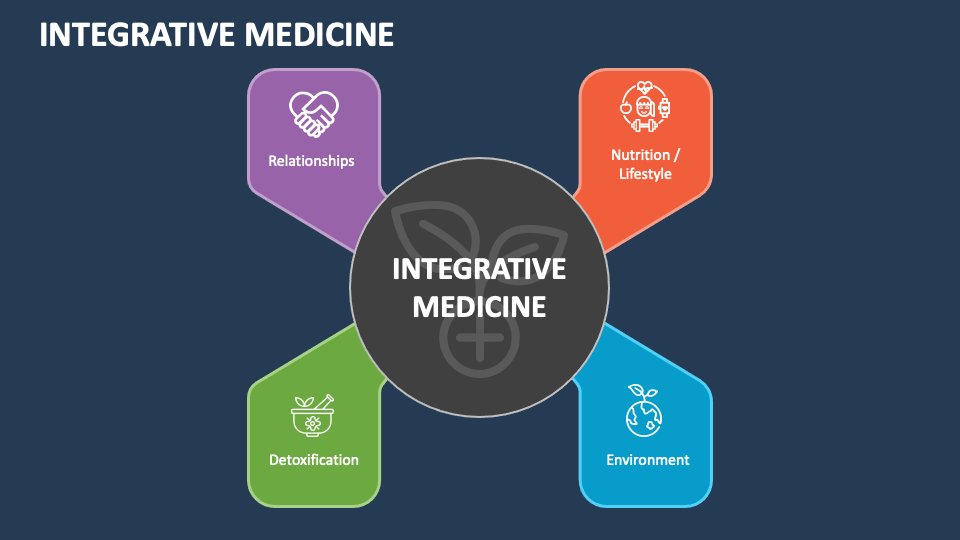
When combining Ayurvedic and modern approaches, we aim to create a plan that is:
- Goal-Oriented: What are we trying to achieve? We need clear goals from both a biomedical perspective (e.g., lower blood pressure, eradicate infection) and an Ayurvedic perspective (e.g., pacify aggravated doshas, clear ama, restore agni).
- Synergistic: The chosen therapies should ideally work together to enhance efficacy or address different facets of the illness. We want 1 + 1 to equal 3, not just 2.
- Sequenced: The timing and order of interventions are crucial. A common and effective strategy is to use modern medicine for acute stabilization while employing Ayurvedic principles for long-term healing, recovery, and prevention of recurrence.
- Justified: Every choice—every drug, every herb, every procedure—must have a clear rationale. Why this intervention? Why now? The justification should be defensible from both scientific and Ayurvedic viewpoints.
2. A Case Study: Integrative Management of a Diabetic Foot Ulcer
Let's apply these principles to a real-world scenario. Diabetic foot ulcers (DFU) are a serious complication of diabetes, often leading to severe infection and amputation. They present an excellent case for an integrated approach, as modern medicine excels at acute infection control, while Ayurveda offers profound wisdom in wound healing (Vrana Ropana).
We will work through a case series that demonstrates exactly how to structure such a plan.
Integrative management of diabetic foot ulcers – A case series
To start, let's get an overview of the approach from the paper 'Integrative management of diabetic foot ulcers – A case series'.
Please read the Abstract and the Introduction. Focus on how the authors frame the problem and their rationale for using an integrated approach, particularly their statement on sequencing interventions for acute versus stable phases.
As you've read, the authors lay out a clear strategy: use contemporary science for the aggressive acute phase and then shift to Ayurvedic management for healing and recovery. Let's break down how they built their treatment plan using this logic.
Step 1: Integrated Assessment and Goal Setting
- Biomedical Assessment: The patients have Diabetic Foot Ulcers, classified by severity (e.g., Wagner Grade IV). They present with infection, high blood sugar, and necrotic tissue.
- Ayurvedic Assessment: The condition is diagnosed as Dustavrana (non-healing/chronic ulcer), with an analysis of the involved doshas and dushyas (affected tissues like Rakta, Mamsa).
- Therapeutic Goals:
- Modern: Control infection and septicemia, achieve glycemic control (manage blood sugar), debride non-viable tissue, and prevent amputation.
- Ayurvedic: Achieve Vrana Shodhana (wound purification/cleansing) and Vrana Ropana (wound healing), and address the underlying systemic imbalances contributing to the Prameha (diabetes) and Dustavrana.
Step 2: Selecting and Sequencing Interventions
This is where the phased approach becomes critical. The plan is divided into two distinct phases based on the patient's immediate needs.
Integrative management of diabetic foot ulcers – A case series
Now, let's examine the specific treatment plan. This section explicitly outlines the division between modern interventions for the initial crisis and Ayurvedic treatments for the healing phase.
Please read section 4. Therapeutic intervention and review Table 1. In Table 1, notice for each case how the 'Allopathy' interventions address the acute issues (infection, high sugar, dead tissue) and the 'Ayurveda' interventions focus on local wound care and systemic support.
Based on what you've reviewed, we can map out the sequence:
Phase 1: Acute Stabilization (Led by Modern Medicine)
This phase addresses the immediate life- and limb-threatening problems.
- Control Infection: Administration of IV antibiotics (e.g., ceftriaxone). The justification is to rapidly control systemic infection (septicemia), which Ayurveda is less equipped to handle with the same speed and potency.
- Manage Hyperglycemia: Use of insulin therapy. The justification is that high blood sugar is a primary driver of the complication and severely impairs immune function and healing. Rapid control is essential.
- Remove Necrotic Tissue: Surgical debridement or amputation of non-viable parts (e.g., a toe). Justification is based on the 'TIME' principle of wound care (Tissue debridement, Infection control, Moisture balance, Edge effect). Dead tissue is a breeding ground for bacteria and physically prevents healing.
Phase 2: Healing and Regeneration (Led by Ayurveda)
Once the patient is systemically stable, the focus shifts to promoting tissue repair.
- Local Wound Care (Vrana Karma):
- Vrana Shodhana (Cleansing): Using decoctions like Panchavalkala Kashaya for washing the wound.
- Vrana Ropana (Healing): Applying medicated oils like Jatyadi taila and performing procedures like Vimlapana (gentle massage) to improve local circulation.
- Vrana Dhupana (Fumigation): Using antimicrobial herbs to disinfect and manage odor.
- Systemic Support (Shamana Chikitsa):
- Administering oral Ayurvedic formulations like Kaishore Guggulu, Aragwadha Kashaya, and Nishamalaki. These are chosen for their effects on inflammation, infection (vrana), and blood sugar (prameha).
Step 3: Justifying the Interventions
A strong plan requires a strong rationale. The "Discussion" section of the paper provides the evidence and reasoning behind their Ayurvedic choices.
Integrative management of diabetic foot ulcers – A case series
Let's explore the 'why' behind the Ayurvedic choices. This section connects the chosen treatments to their known pharmacological properties and traditional indications.
Please read the 6. Discussion section carefully. Pay attention to how the authors justify each Ayurvedic intervention by referencing both its traditional role (e.g., Vrana Shodhana) and its modern-understood properties (e.g., anti-inflammatory, antimicrobial).
Justification Summary:
- Panchavalkala: Justified by its proven anti-inflammatory, analgesic, and antimicrobial properties. It serves the goal of Vrana Shodhana.
- Jatyadi taila: Justified for Vrana Ropana due to its ability to promote faster wound contraction and increase protein and hydroxyproline content in granulation tissue. It contains flavonoids, tannins, and other bioactive compounds.
- Nishamalaki (Curcuma longa + Emblica officinalis): Justified by the known anti-hyperglycemic and immunomodulatory activities of its ingredients, addressing the systemic root cause.
This case perfectly illustrates how to create a phased, justified, and synergistic integrative plan.
Test your understanding!
Let's consider another condition: Major Depressive Disorder (MDD), diagnosed in Ayurveda as Kaphaja Unmada. A case study (LINK) describes an integrative plan that included:
- Shodhana/Panchakarma: Snehapana (internal oleation) followed by Virechana (purgation).
- External Therapies: Shirodhara (oil stream on forehead), Abhyanga (body massage).
- Shamana: Oral herbal medications (Manasamitra Vataka, etc.).
- Sattvavajaya Chikitsa: Counseling and psychotherapy.
Based on Ayurvedic principles, why is it logical to sequence the purifying therapies (Snehapana and Virechana) before the nourishing/pacifying therapies (Shirodhara, oral rasayanas)?
Show answer
The sequencing follows the classical Ayurvedic therapeutic logic. Shodhana therapies like Virechana are designed to eliminate deep-seated, aggravated doshas and ama (metabolic toxins) from the body. This process cleanses the srotamsi (body channels). Only after the channels are clear can the body properly receive, absorb, and utilize the subsequent nourishing (rasayana) and pacifying (shamana) therapies like Shirodhara and oral medications. Performing pacifying treatments without prior purification can be compared to painting over a dirty wall—the effect is superficial and temporary because the underlying imbalance hasn't been removed. Therefore, purification creates the optimal internal environment for healing to take hold.
Conclusion
Today, we've transitioned from assessment to action by learning how to construct a robust, integrative treatment plan. This process requires a deep understanding of the strengths and limitations of both medical systems.
Key Takeaways:
- Integrated treatment planning is a holistic process that sets both biomedical and Ayurvedic goals.
- A phased approach is a powerful strategy, often using modern medicine for acute stabilization and Ayurveda for chronic management, healing, and recovery.
- Every intervention must be selected and sequenced with a clear justification rooted in both traditional principles and modern scientific understanding.
- The goal is synergy, where the combined effect of the treatments is greater than the sum of their individual parts.
Preview of the Next Lesson:
Once a treatment plan is in motion, how do we know if it's working? Our next lesson will focus on this crucial question. You will learn to select appropriate traditional Ayurvedic parameters and modern biomedical markers to monitor treatment progress, ensuring your plans are not just well-designed but also effective and adaptable.