Hello! Welcome to the second lesson in our module on Human Physiology.
In our previous lesson, we explored the Hypothalamic-Pituitary-Adrenal (HPA) axis, the body's neuro-endocrine response to sustained stress. We saw how the brain's perception of a threat triggers a hormonal cascade that prepares the body for action. A key part of this "fight-or-flight" readiness is an increased heart rate and faster breathing. But why? The body is preparing to supply its cells with the one thing they need most during exertion: oxygen.
This brings us to today's learning outcome: to describe the integrated function of the cardiovascular and respiratory systems in maintaining oxygen homeostasis. We will explore how these two magnificent systems work in perfect harmony to capture oxygen from the air, transport it to every one of your trillions of cells, and remove the waste product, carbon dioxide.
This entire process is a beautiful physiological illustration of what Ayurveda calls Prana Vayu, the primary vayu or "movement" that governs respiration and the intake of life force. By understanding the modern scientific model, you'll gain a new appreciation for the intricate mechanics behind this fundamental principle of life.
1. The Big Picture: Oxygen's Incredible Journey
Before we dive into the details, let's get a high-level overview of the entire process. The journey of oxygen from the air you breathe to the cells deep within your body is a masterpiece of coordination involving the brain, lungs, heart, blood, and more.
To visualize this complex, integrated system, please watch the following animated video.
Oxygen’s surprisingly complex journey through your body - Enda Butler
This TED-Ed video, 'Oxygen’s surprisingly complex journey through your body,' provides an excellent narrative of the entire oxygen transport process. It beautifully illustrates how different organ systems collaborate to achieve a single, vital goal.
Watch the entire video (about 4.5 minutes). As you watch, try to identify the four main stages of oxygen's journey: The signal to breathe and the mechanics of inhalation. The production of red blood cells, the carriers of oxygen. The exchange of gas in the lungs. The transport of oxygenated blood by the heart and circulatory system.
As the video showed, oxygen delivery is a multi-step relay race:
- The respiratory system is responsible for bringing oxygen into the body.
- The cardiovascular system is the transport network that delivers it.
Let's now break down the specific roles of each system and, most importantly, how they are integrated.
2. Part 1: The Respiratory System - Where Air Meets Blood
The primary function of the respiratory system is gas exchange—taking in oxygen (O2) and removing carbon dioxide (CO2).
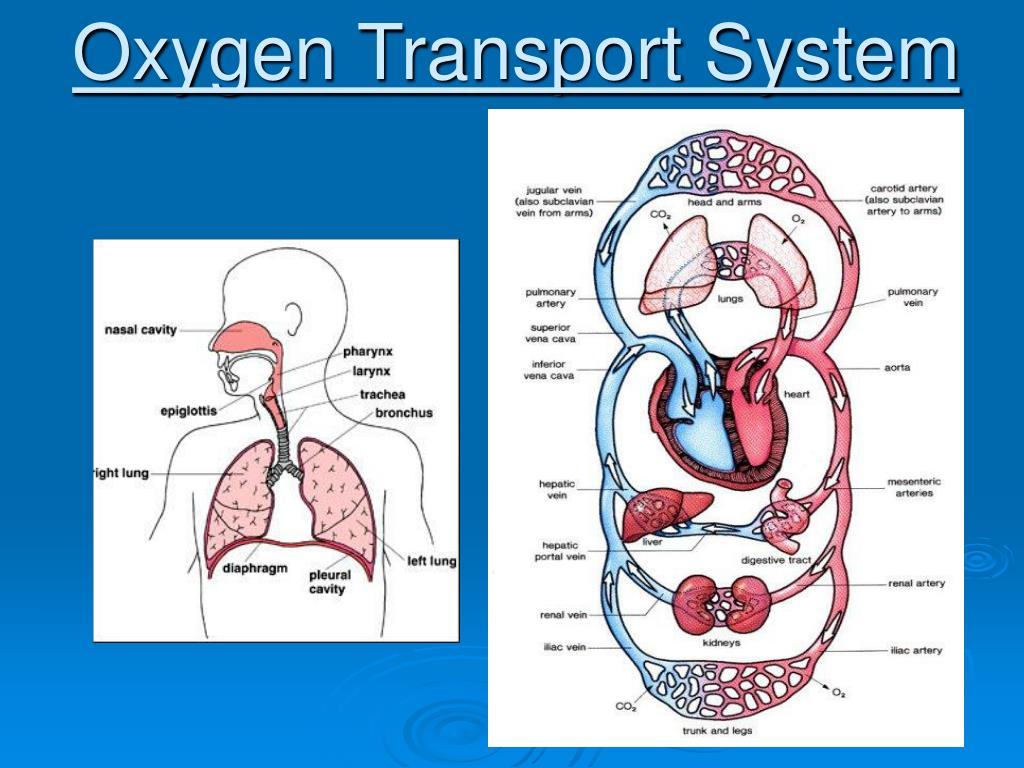
To understand how this happens, we need to look at the anatomy and mechanics. The following text provides a foundational description of the pathway air takes and the structure where gas exchange occurs.
11.3 Circulatory and Respiratory Systems
This reading from the 'Concepts of Biology' textbook will walk us through the structure of the respiratory system, from the large airways down to the microscopic air sacs where the magic happens.
Please read the following sections from the text: Start at the heading 'Mammalian Systems' and read down to the paragraph just before the sub-heading 'Lungs: Bronchi and Alveoli.' This describes the path air takes and how it is conditioned. Continue reading the section 'Lungs: Bronchi and Alveoli.' Pay close attention to the description of the alveoli—their immense surface area and their intimate contact with blood capillaries. This is the key point of integration.
The key takeaways from this reading are:
- The Pathway: Air travels from the nose, through the pharynx, larynx, and trachea, into the branching bronchi and bronchioles of the lungs.
- The Exchange Site: Gas exchange happens exclusively in the alveoli, millions of tiny, thin-walled air sacs.
- Structural Integration: The alveoli are wrapped in a dense network of tiny blood vessels called capillaries. The wall separating the air in the alveolus from the blood in the capillary is incredibly thin (just two cells thick), allowing for rapid gas movement.
The Driving Force: Partial Pressure
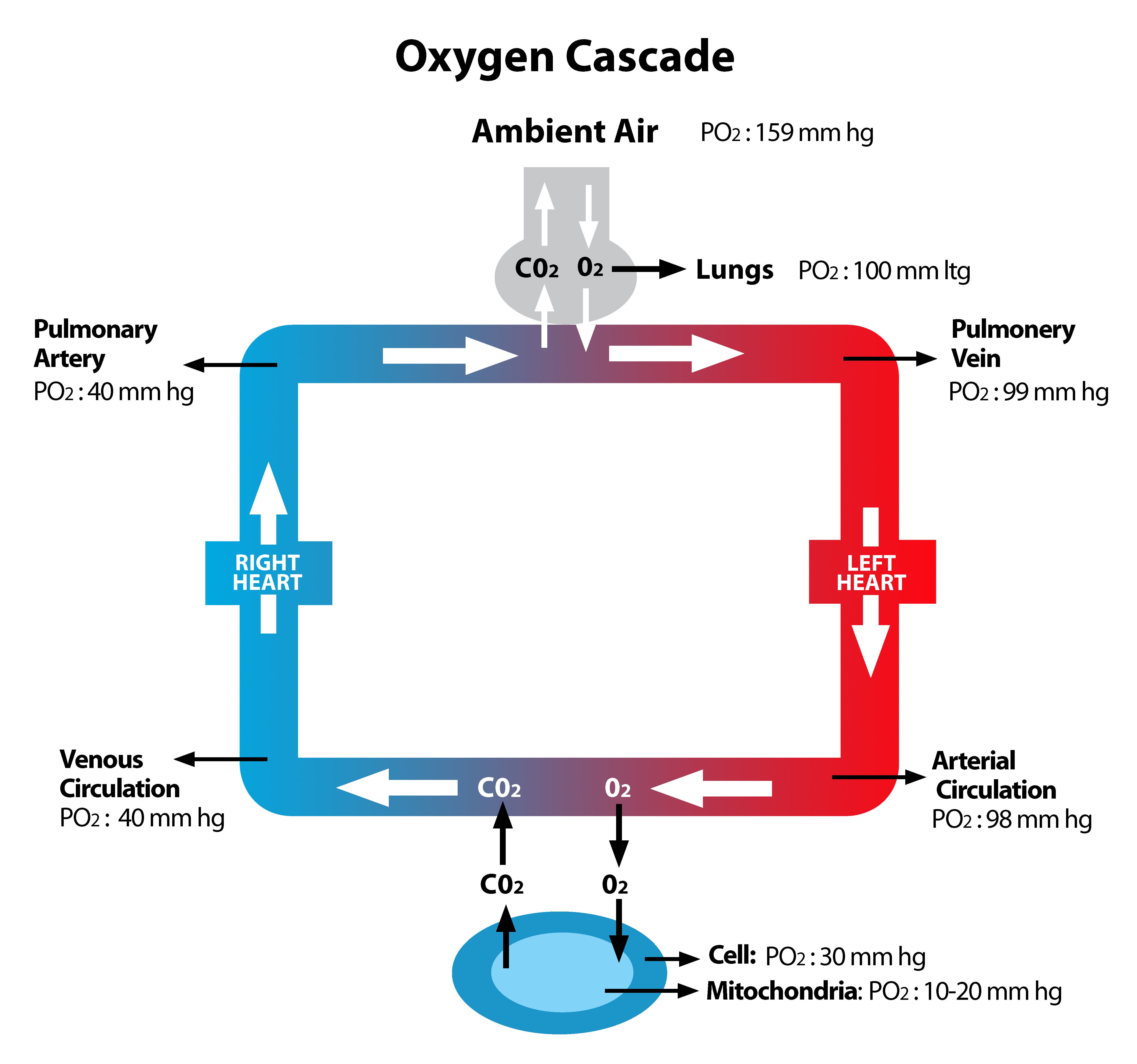
Gases, like all substances, move from an area of high concentration to an area of low concentration. For gases in a mixture like air or dissolved in a liquid like blood, we use the term partial pressure. The higher the partial pressure of a gas, the higher its concentration.
This pressure gradient is the fundamental driving force for gas exchange.
- Air inhaled into the alveoli has a high partial pressure of oxygen (PO2).
- Blood arriving at the lungs from the body has a low PO2 (because the body's cells have used it up).
This difference in pressure causes oxygen to diffuse effortlessly from the alveoli into the blood. The reverse is true for carbon dioxide, which moves from the high-pressure environment of the blood into the low-pressure environment of the lungs to be exhaled.
3. Part 2: The Cardiovascular System - The Delivery Network
Once oxygen crosses into the blood, the cardiovascular system takes over. This system consists of the heart (the pump), blood vessels (the network of pipes), and blood (the transport medium).
The Double Pump and Circulation Routes
The heart is a remarkable two-sided pump.
- The Right Side receives deoxygenated blood from the body and pumps it to the lungs. This is the pulmonary circuit.
- The Left Side receives the newly oxygenated blood from the lungs and pumps it to the rest of the body. This is the systemic circuit.
This "double circulation" ensures that blood is fully oxygenated before being sent to the body, making the system highly efficient. You can review the path of blood flow in the "Heart" section of the OpenText BC resource (LINK, section 5) we looked at earlier.
The Carrier: Hemoglobin
Only a tiny amount of oxygen can dissolve directly in blood plasma. To transport the vast quantities of oxygen our bodies need, we rely on a specialized protein found within our red blood cells: hemoglobin. Each hemoglobin molecule can bind to four oxygen molecules.
But hemoglobin is not just a passive carrier. Its ability to bind and release oxygen is exquisitely tuned to the body's needs. This is the core of oxygen homeostasis. To understand this, let's watch a more detailed video.
Respiratory System, Part 2: Crash Course Anatomy & Physiology #32
This Crash Course video, 'Respiratory System, Part 2,' explains the brilliant chemistry of hemoglobin. It clarifies how partial pressure works and what makes hemoglobin release oxygen exactly where it's needed.
Please watch from 01:31 to 07:54. The video covers several key concepts: Partial Pressure Gradients (02:30): Reinforces how differences in pressure drive gas movement. Hemoglobin's Cooperativity (04:44): How binding one oxygen molecule makes it easier to bind the next. Oxygen Delivery to Tissues (05:24): The crucial part! It explains the factors that cause hemoglobin to release oxygen: lower partial pressure, increased temperature, and increased CO2 (which lowers pH).
In summary, hemoglobin's affinity (attraction) for oxygen changes based on its environment:
- In the Lungs: High PO2. Hemoglobin has a high affinity for O2, so it grabs it and becomes fully saturated.
- In Active Tissues (e.g., a muscle): Low PO2, high temperature, and high CO2. These conditions cause hemoglobin to change shape, lowering its affinity for O2 and causing it to release its cargo to the hungry cells. This is a perfect example of a system adapted to meet local demand.
Test your understanding!
Imagine a red blood cell traveling from the lungs to a hard-working muscle in the leg. Describe two key changes in the muscle's environment and explain how these changes affect hemoglobin's ability to release oxygen.
Show answer
-
Lower Partial Pressure of Oxygen (PO2): The muscle is actively consuming oxygen for energy, so the PO2 in the tissue is much lower than in the blood arriving from the lungs. This large pressure gradient causes oxygen to diffuse from the red blood cell into the muscle tissue.
-
Higher Carbon Dioxide (CO2) and Temperature: The muscle's intense metabolic activity produces CO2 and heat as waste products. Both of these factors bind to hemoglobin and change its shape, which decreases its affinity for oxygen. This prompts hemoglobin to release its oxygen cargo even more readily, ensuring the working muscle gets what it needs. The effect of CO2 and acidity is known as the Bohr effect.
4. Putting It All Together: A Symphony of Homeostasis
The beauty of the cardiorespiratory system lies in its seamless integration and regulation. It constantly adapts to maintain oxygen homeostasis—a stable supply of oxygen that matches the body's metabolic demands.
This balance involves not just oxygen but also carbon dioxide. CO2 levels in the blood are a primary signal for regulating breathing rate. If CO2 levels rise, the brainstem triggers faster and deeper breathing to expel the excess CO2 and bring in more O2.
The hyperventilation example from the Crash Course video is a perfect illustration of this delicate balance.
Respiratory System, Part 2: Crash Course Anatomy & Physiology #32
Let's revisit the Crash Course video to see what happens when this delicate balance is thrown off.
Please watch from 07:54 to 09:25. This section explains the physiology of hyperventilation. Notice how exhaling too much CO2 disrupts blood pH and affects blood flow, demonstrating the critical importance of CO2 in homeostasis.
Connecting to Ayurveda
The integrated, self-regulating nature of the cardiorespiratory system provides a powerful physiological basis for the Ayurvedic concept of Prana.
- Prana Vayu: In Ayurveda, Prana Vayu is centered in the chest and governs respiration and the intake of life force. Modern physiology shows us the mechanics of this: the neural drive to breathe, the mechanics of the lungs, and gas exchange.
- Vyana Vayu: This vayu is responsible for circulation, moving nutrients and energy throughout the body. This corresponds directly to the cardiovascular system's role in transporting oxygen-rich blood from the heart to all tissues.
- Udana Vayu: Governing exhalation and upward-moving energy, this relates to the process of expelling CO2.
The constant communication between breathing rate, heart rate, and tissue gas levels is the modern scientific description of how these vayus work in concert to sustain life. An imbalance in this system, whether from stress (as seen in the last lesson) or disease, is a disruption of the flow of Prana.
Conclusion
Today, we have dissected the intricate partnership between the respiratory and cardiovascular systems. We saw how they are structurally and functionally intertwined to ensure that oxygen, the fuel for life, reaches every cell in the body.
Key Takeaways:
- The respiratory and cardiovascular systems function as a single, integrated cardiorespiratory system to maintain oxygen homeostasis.
- The respiratory system is the site of gas exchange, where oxygen enters the blood and carbon dioxide leaves, driven by partial pressure gradients.
- The alveoli provide a vast, thin surface area perfectly designed for efficient diffusion.
- The cardiovascular system, powered by the heart's double pump, transports gases via the pulmonary and systemic circuits.
- Hemoglobin is the crucial oxygen carrier, and its ability to change its affinity for oxygen ensures delivery is matched to tissue demand (e.g., in response to CO2 and temperature).
- The balance of O2 and CO2 is critical not just for energy, but also for maintaining systemic homeostasis, such as blood pH.
Preview of the Next Lesson:
We have just learned how the body acquires and distributes oxygen. But oxygen is only one half of the energy equation. It is the "fire," but every fire needs fuel. In our next lesson, we will turn our attention to the gastrointestinal tract, exploring how the body digests and absorbs the major nutrients that provide this very fuel.