In our previous lesson, we explored the high, airy, and ethereal sounds of the Andean panpipe, discovering how techniques like hocketing create a sense of spaciousness and transcendence. Today, we journey from the peaks of the Andes to the ancient landscapes of Australia, descending from the high frequencies of the flute to the deep, resonant core of the earth itself. We will investigate the didgeridoo, an instrument whose sound is primal, grounding, and profoundly relaxing.
This lesson is designed to help you understand how the didgeridoo's unique acoustic signature—its low-frequency drone and complex, shifting overtones—induces a state of deep physiological relaxation. By analyzing its sound and performance techniques, you will gain the knowledge to confidently curate didgeridoo music for playlists aimed at deep meditation and restorative sleep.
The Instrument and Its Sound
The didgeridoo (also known by many regional names, such as yidaki) is a wind instrument developed by Aboriginal peoples of northern Australia, with a history stretching back at least 1,500 years. Traditionally made from eucalyptus branches hollowed out by termites, its form is simple, yet its sound is acoustically complex and powerful.
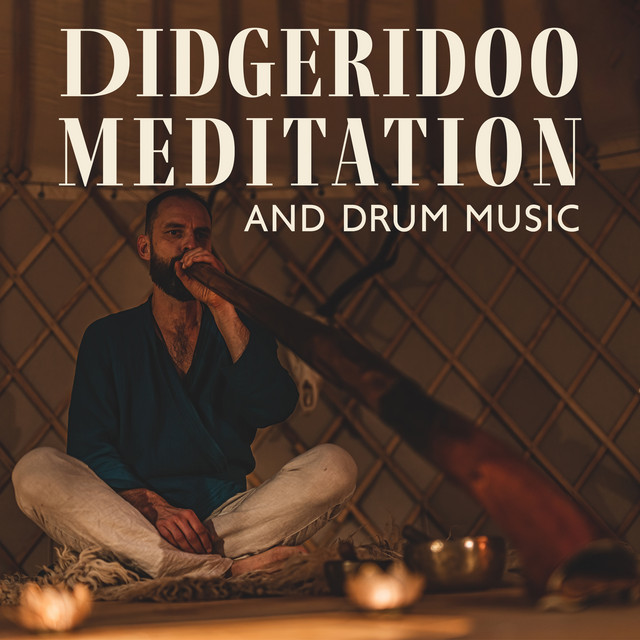
The sound of the didgeridoo is fundamentally a low-pitched drone. However, within this drone lies a rich world of sonic texture. To understand how this sound creates such a profound sense of relaxation, we need to break it down into its core acoustic components.
This article from Thalira provides an excellent overview of the didgeridoo's acoustics and its application in sound healing. We will use it to build our understanding step-by-step.
First, gain a general understanding of the instrument's acoustic profile. Read the Quick Answer at the top of the page. Then, review the "Unique Acoustics" bullet point in the Key Takeaways. For more detail on how this sound is produced, read the section on acoustic complexity under "Instrument Construction and Acoustics". Finally, jump down to the FAQ and read the answer to "What frequencies does the didgeridoo produce?". Pay close attention to the three main elements mentioned: the fundamental, the overtones, and the player's vocal tract.
As you've just read, the didgeridoo's sound isn't a single, flat tone. It's a composite of three key elements that work together to create its signature effect:
- The Low-Frequency Fundamental Drone: This is the base note you hear, typically in the Hz range. This low frequency is key to the instrument's grounding effect.
- Rich Harmonic Overtones: Above the fundamental, the player creates a complex spectrum of higher-frequency harmonics.
- Vocal Formant Filtering: This is the most unique aspect. The player shapes their mouth as if speaking or singing vowels, which selectively filters and amplifies certain overtones. This gives the instrument its dynamic, voice-like quality.
Much like a jazz musician uses different voicings and articulations to add color and expression to a sustained note, a skilled didgeridoo player uses their vocal tract to continuously shape the overtone structure, creating a sound that is simultaneously constant and ever-changing.
The Science of Deep Relaxation
Now, let's connect these acoustic properties to the physiological experience of relaxation. The didgeridoo's power lies in how its specific frequency profile interacts with the human body and brain.
This next section of the same article explains the mechanisms behind the didgeridoo's therapeutic effects.
Please read the entire section titled "Frequency Science and Healing Mechanisms". As you read, focus on three key concepts: How the fundamental frequency range (50-100 Hz) influences brainwaves. The role of infrasound (< 20 Hz) as a "felt" vibration. The concept of vibroacoustic stimulation and its parallel to clinical therapies.
The reading highlights a powerful confluence of effects. The low-frequency drone can encourage brainwave entrainment towards slower, deeply relaxed theta ( Hz) and delta ( Hz) states. Simultaneously, the infrasound components and the physical vibration of the instrument create a direct vibroacoustic effect, which can feel like an "internal massage" and trigger a physiological relaxation response. This is why a recording of a didgeridoo can be relaxing, but experiencing it live, where you can feel the vibrations, is often a much more profound experience.
The final piece of the puzzle is the performance technique that makes this all possible: circular breathing. By inhaling through the nose while simultaneously pushing air from the cheeks into the instrument, the player can sustain the drone indefinitely. This unbroken continuity is crucial for meditative applications, as it allows the listener to fully immerse themselves in the sound field without the interruption of the player needing to pause for breath. This sustained, regulated breathing also has its own physiological benefits, as noted in a famous 2005 British Medical Journal study which found that regular didgeridoo practice strengthened upper airway muscles and significantly reduced symptoms of sleep apnoea.
Curating Didgeridoo for Relaxation
With this understanding, you are now equipped to select didgeridoo music for your playlists. The most effective tracks for deep relaxation are often those that focus on the instrument's core sonic properties.

In a sound healing context, a practitioner might use the didgeridoo in a "sound bath," where listeners lie down and let the vibrations wash over them. The player may vary the rhythm, tone, and proximity of the instrument to create a dynamic journey. For a playlist, you'll want to look for recordings that capture this immersive quality.
Solo didgeridoo tracks are often the best choice for pure relaxation or sleep. While the instrument is used in many contemporary world music and fusion contexts, these often include other instruments and complex rhythms that may be too stimulating for deep relaxation.
For a concrete listening example, let's turn to the work of a renowned virtuoso.
This description for a yoga-focused podcast episode features music by legendary yidaki player William Barton. It provides a specific track recommendation perfect for your curation goals.
Read the episode description. Note the collaboration between William Barton (yidaki) and Steve Allen (guitar) to create a "uniquely Australian soundscape with moments of tranquility." Most importantly, identify the final track listed: "Yidaki Shivasana (solo yidaki) William Barton (6:58)".
The track "Yidaki Shivasana" is an ideal starting point. The title itself—referencing Shavasana, the "corpse pose" of final relaxation in yoga—signals its intended purpose. By seeking out solo performances like this from artists such as William Barton, David Hudson, or other specialists, you can build a powerful collection of tracks for your deep relaxation and meditation playlists. Listen for long, sustained drones, subtle shifts in overtones, and a pace that allows the listener's mind and body to settle.
Conclusion
The didgeridoo's ability to induce deep relaxation is not magical, but rather a product of its specific and powerful acoustic properties. By understanding these elements, you can now approach this ancient instrument with a curator's ear.
Key Takeaways:
- Low-Frequency Grounding: The didgeridoo's fundamental drone ( Hz) provides a stable, grounding sonic foundation that encourages brainwave states associated with deep relaxation and sleep.
- Overtone Complexity: The rich, voice-like overtones, shaped by the player's vocal tract, create a sound that is hypnotic and engaging without being distracting.
- Felt Vibration: Infrasound components and direct acoustic vibration provide a vibroacoustic effect, a "felt sound" that can release physical tension.
- Continuous Immersion: The technique of circular breathing creates an unbroken sound field, essential for deep meditative immersion.
- Curation Tip: For deep relaxation playlists, prioritize solo didgeridoo tracks that emphasize a steady drone and subtle timbral shifts over highly rhythmic or multi-instrumental arrangements.
In our next lesson, we will continue our exploration of overtone-rich sounds by turning our attention to the human voice itself. We will investigate overtone (throat) singing, a remarkable technique where a single vocalist produces multiple pitches simultaneously, creating a sound that is both otherworldly and profoundly meditative.